
Korean architecture represents a fascinating journey through time, from ancient royal palaces and traditional hanok houses to cutting-edge modern designs. The architecture of Korea reflects the nation's history, culture, and rapid modernization, creating a unique blend of traditional aesthetics and contemporary innovation.


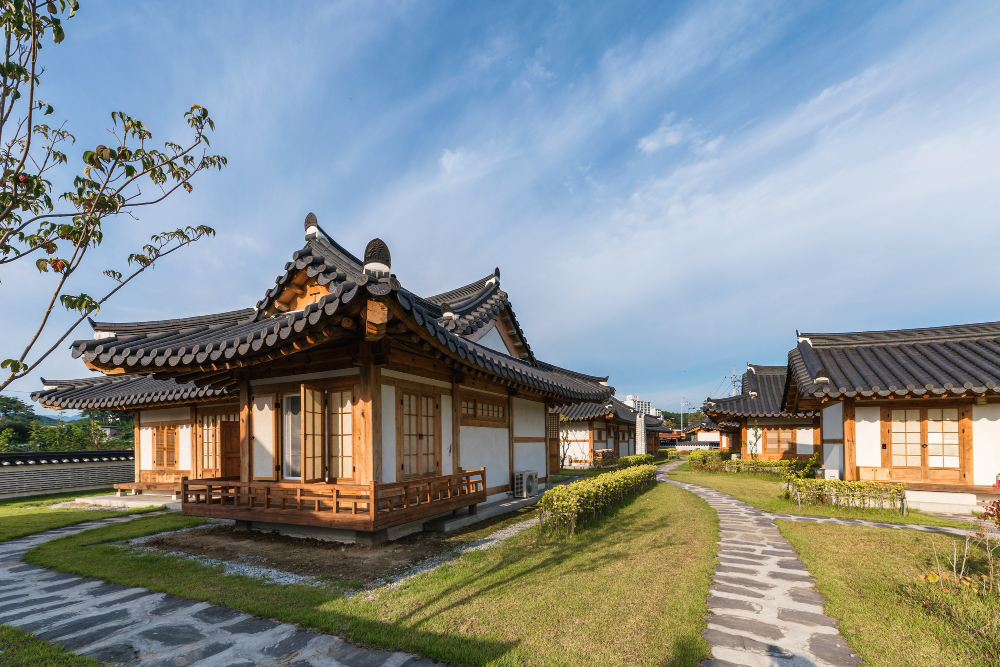
Traditional Korean Architecture
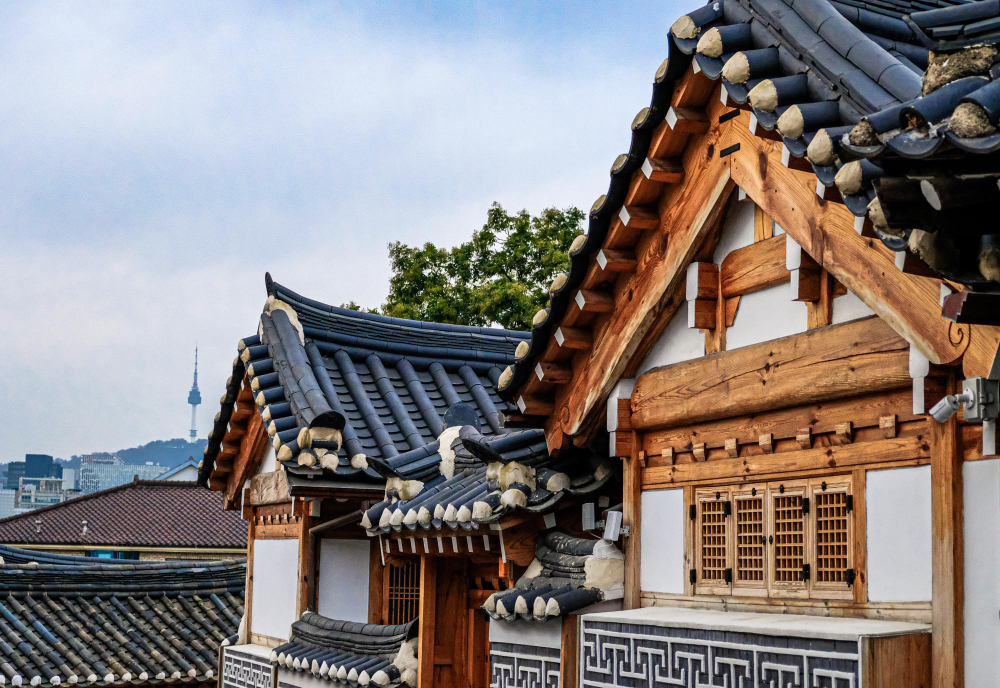
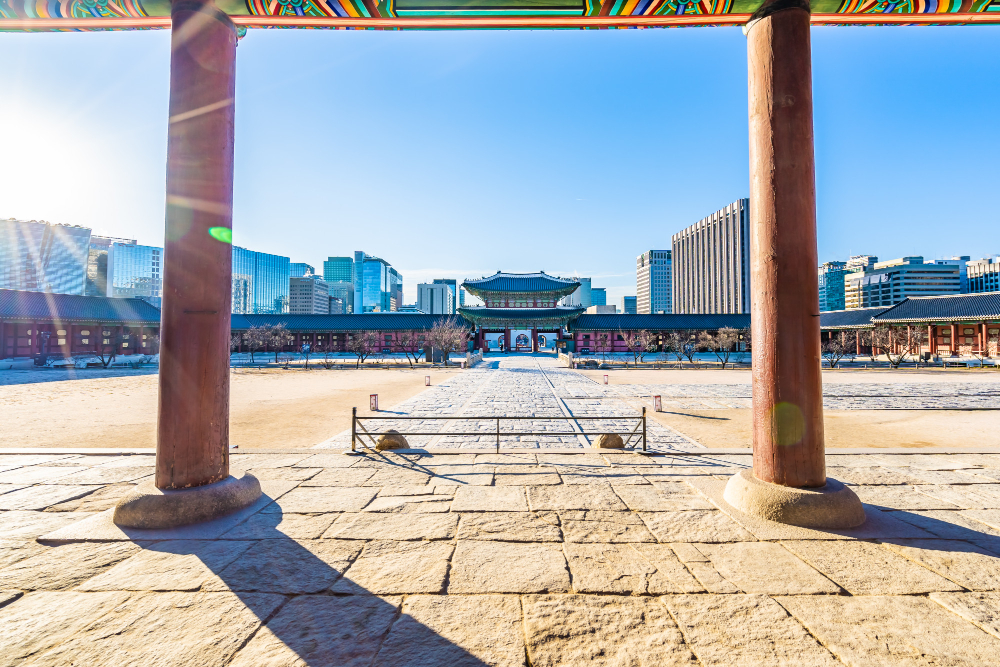
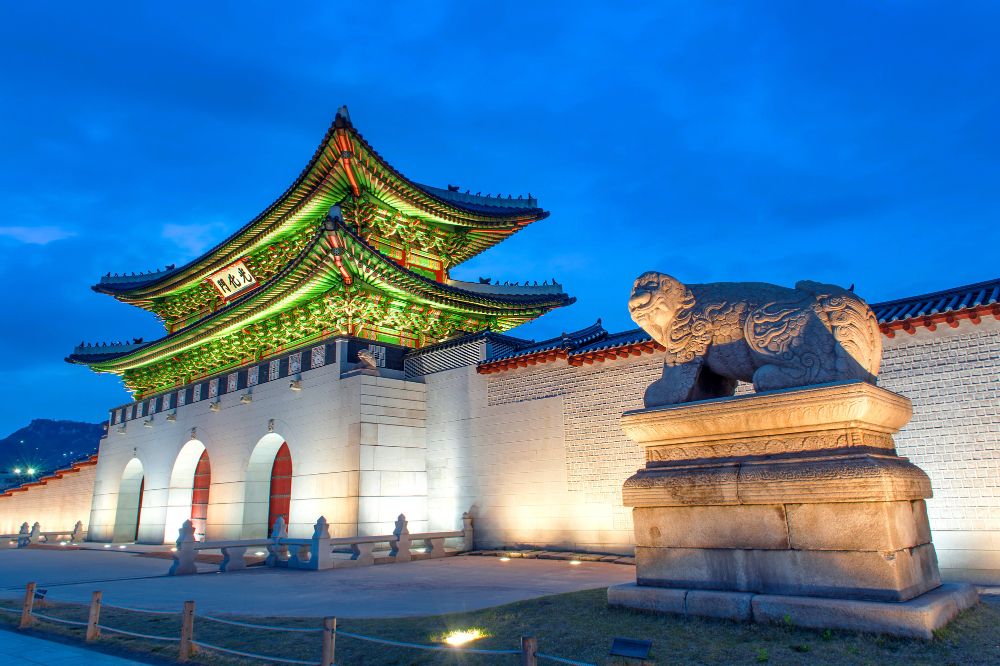
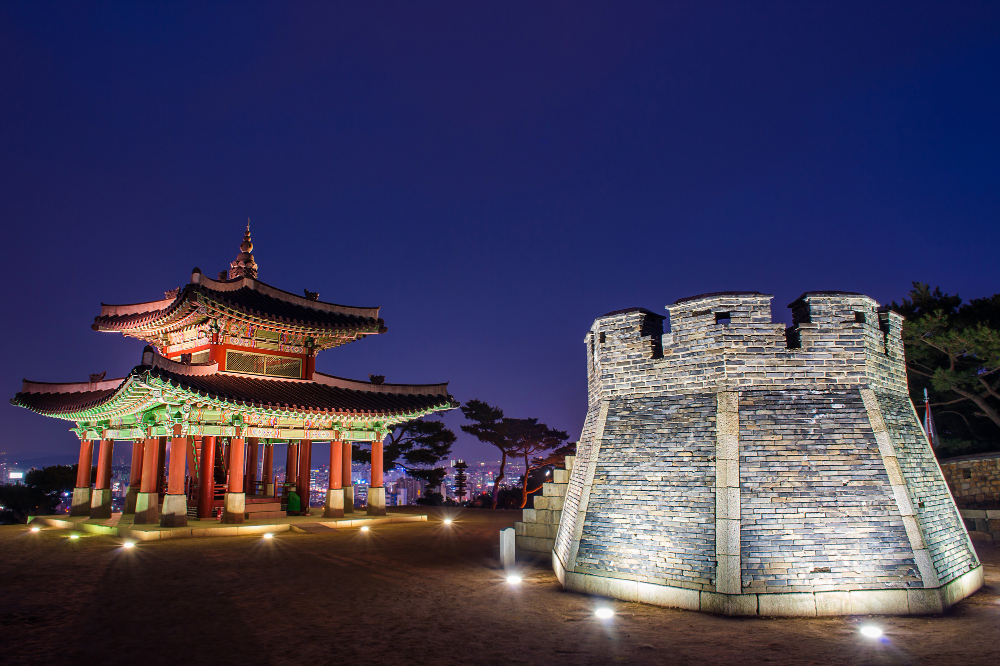
Traditional Korean architecture, particularly seen in royal palaces and hanok houses, emphasizes harmony with nature. The design principles include the use of natural materials, curved lines, and integration with the surrounding landscape. Royal palaces like Gyeongbokgung and Changdeokgung showcase the grandeur of Joseon Dynasty architecture, with their intricate wooden structures, colorful dancheong paintings, and beautiful gardens.
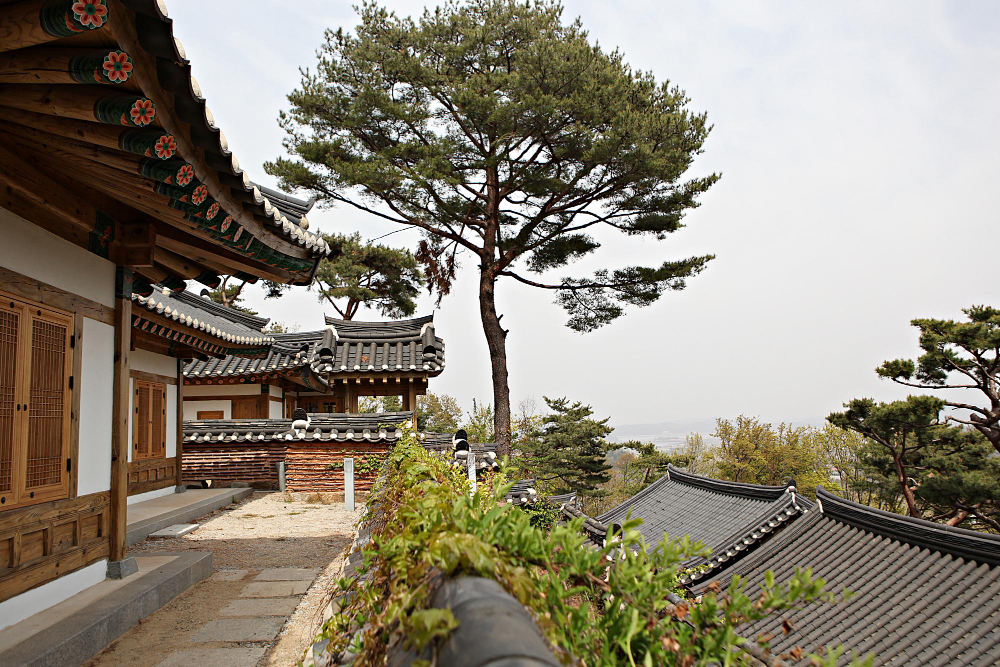
Hanok, traditional Korean houses, are architectural masterpieces that demonstrate the principles of Korean design. Built with natural materials like wood, stone, and clay, hanok houses feature ondol (underfloor heating) systems and are designed to stay cool in summer and warm in winter. The architecture reflects Korean philosophy of living in harmony with nature.
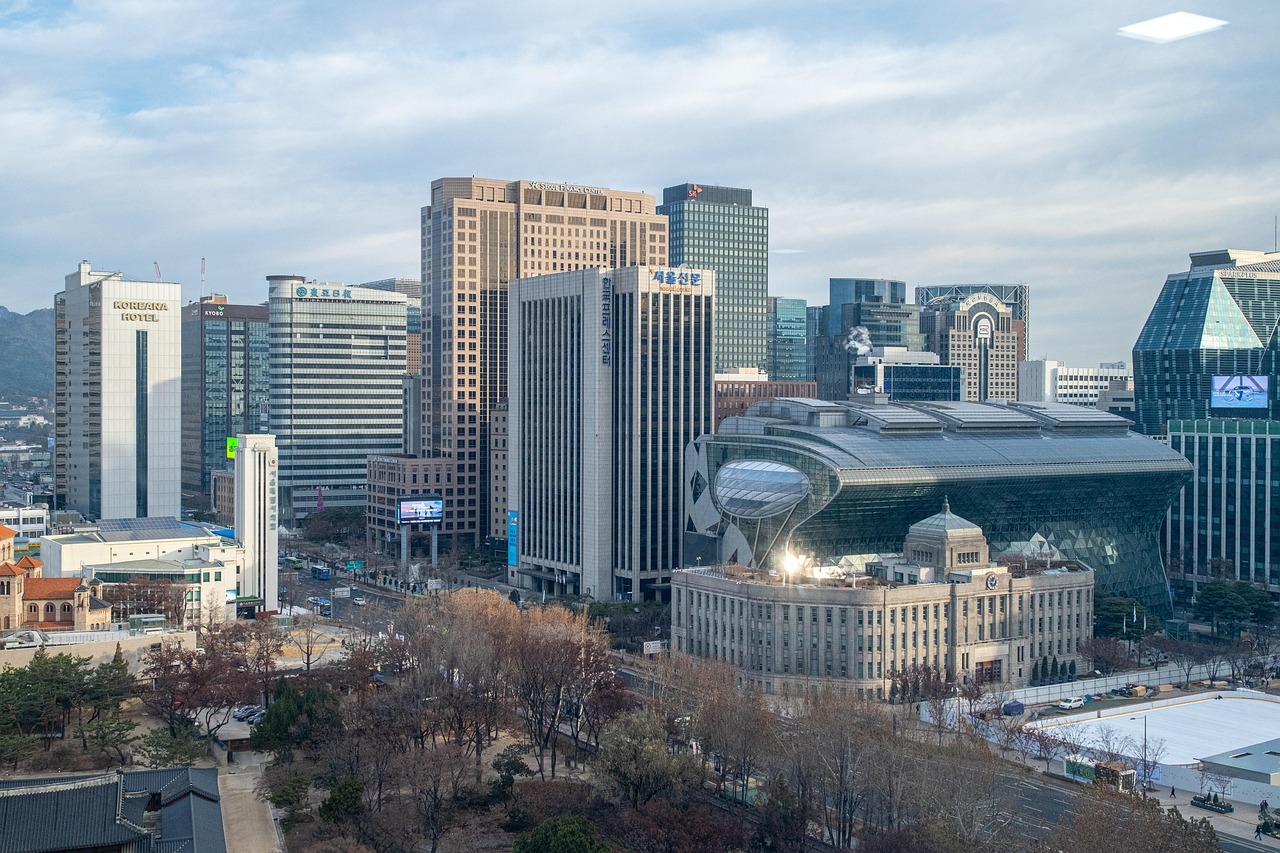
Modern Korean Architecture
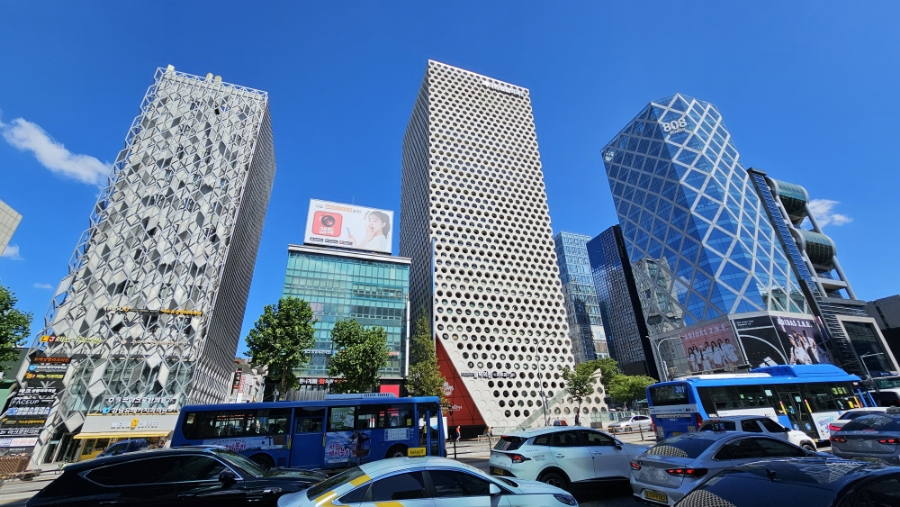
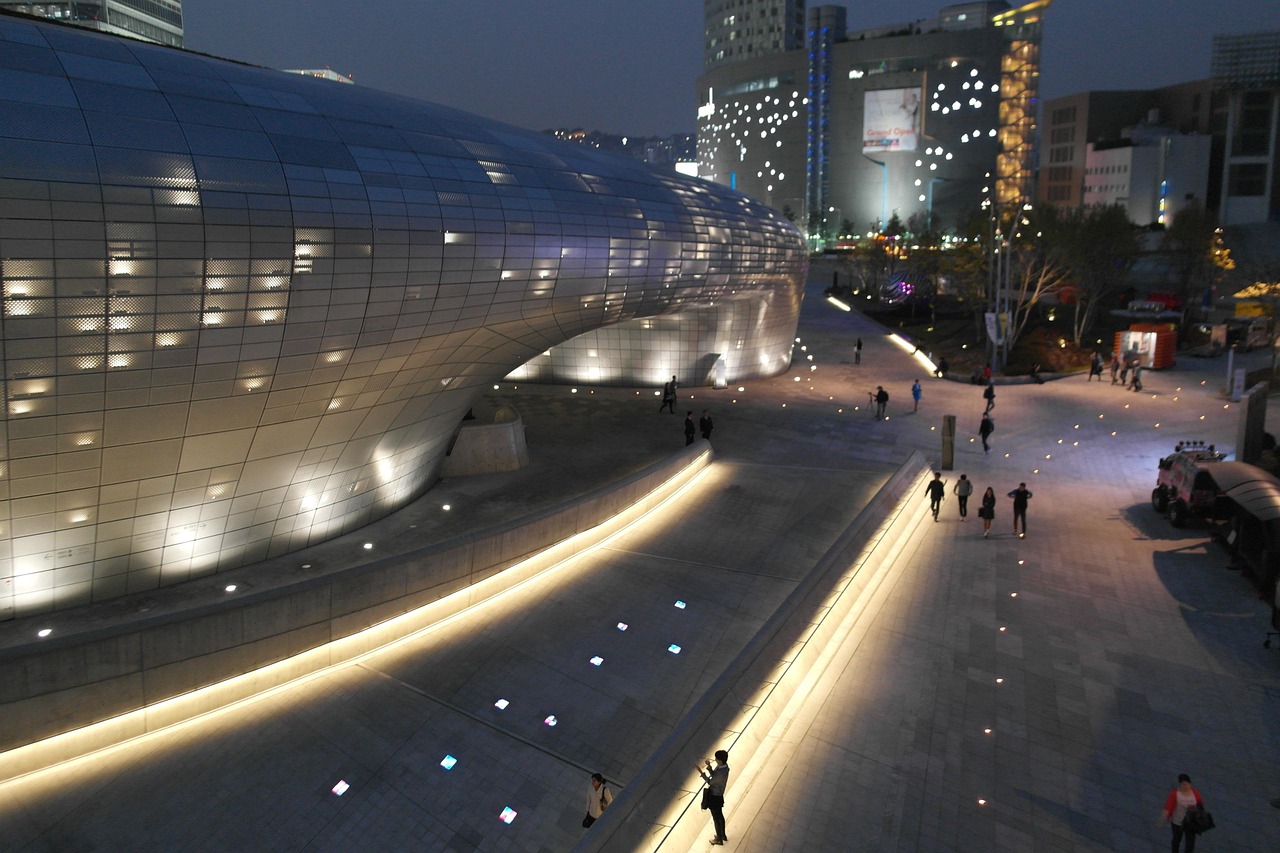
Modern Korean architecture has gained international recognition for its innovative designs and sustainable practices. Seoul, in particular, showcases a remarkable blend of traditional and modern architecture. Landmarks like the Dongdaemun Design Plaza, designed by Zaha Hadid, and the Lotte World Tower represent Korea's position at the forefront of contemporary architecture.
Korean architects have successfully integrated traditional elements with modern technology, creating buildings that are both functional and aesthetically pleasing. The emphasis on sustainability and environmental consciousness is evident in many contemporary Korean buildings, reflecting the nation's commitment to green architecture.
UNESCO World Heritage Sites
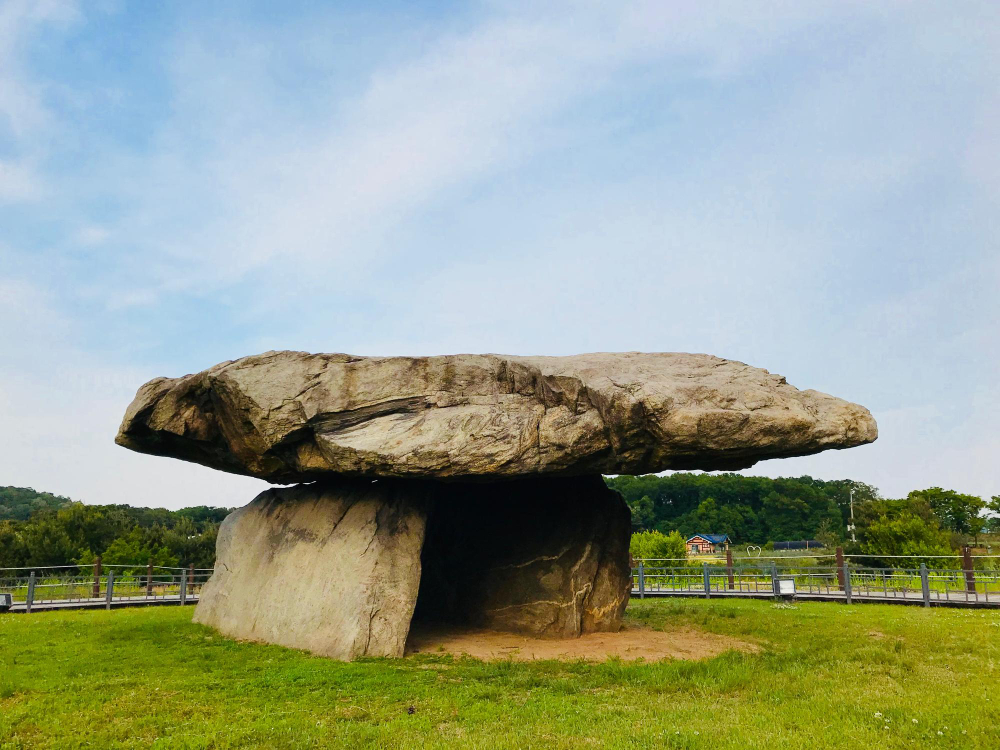
Korea is home to several UNESCO World Heritage sites that showcase exceptional architectural achievements. These include the Historic Villages of Korea (Hahoe and Yangdong), the Royal Tombs of the Joseon Dynasty, and the ancient capital of Gyeongju. These sites demonstrate the evolution of Korean architecture over centuries and its cultural significance.
Architectural Innovation and Future
Korean architecture continues to evolve, with architects exploring new materials, technologies, and design concepts. The integration of smart technology, sustainable practices, and cultural elements creates a unique architectural identity. Korean architecture tours offer visitors the opportunity to explore this fascinating journey from ancient traditions to modern innovations, providing insights into Korea's cultural heritage and contemporary creativity.