Buddhism has been an integral part of Korean culture for over 1,700 years, deeply influencing the nation's philosophy, art, architecture, and way of life. Korean Buddhism, particularly the Seon (Zen) tradition, offers a unique spiritual experience that combines ancient wisdom with modern mindfulness practices.
The History of Korean Buddhism
Buddhism was first introduced to the Korean Peninsula in the 4th century CE during the Three Kingdoms period. Over the centuries, it became deeply integrated into Korean society, influencing everything from royal court culture to everyday life. The Goryeo Dynasty (918-1392) is often called the "Golden Age of Korean Buddhism," when thousands of temples were built and Buddhist art and culture flourished.
Today, Korean Buddhism continues to thrive, with over 20,000 temples scattered across the country. Many of these temples are UNESCO World Heritage sites, preserving not just religious practices but also architectural masterpieces and cultural traditions that span millennia.
Seon (Zen) Buddhism: Korea's Unique Tradition
Korean Buddhism is primarily Seon (Zen) Buddhism, which emphasizes meditation and direct experience of enlightenment. Unlike other Buddhist traditions, Korean Seon focuses on "hwadu" (화두) practice—contemplating a question or phrase to break through conceptual thinking and achieve direct insight.
This tradition has produced many renowned masters and has influenced Buddhist practice worldwide. The emphasis on meditation and mindfulness in Korean Buddhism has also contributed to the global popularity of mindfulness practices today.
Temple Architecture and Art
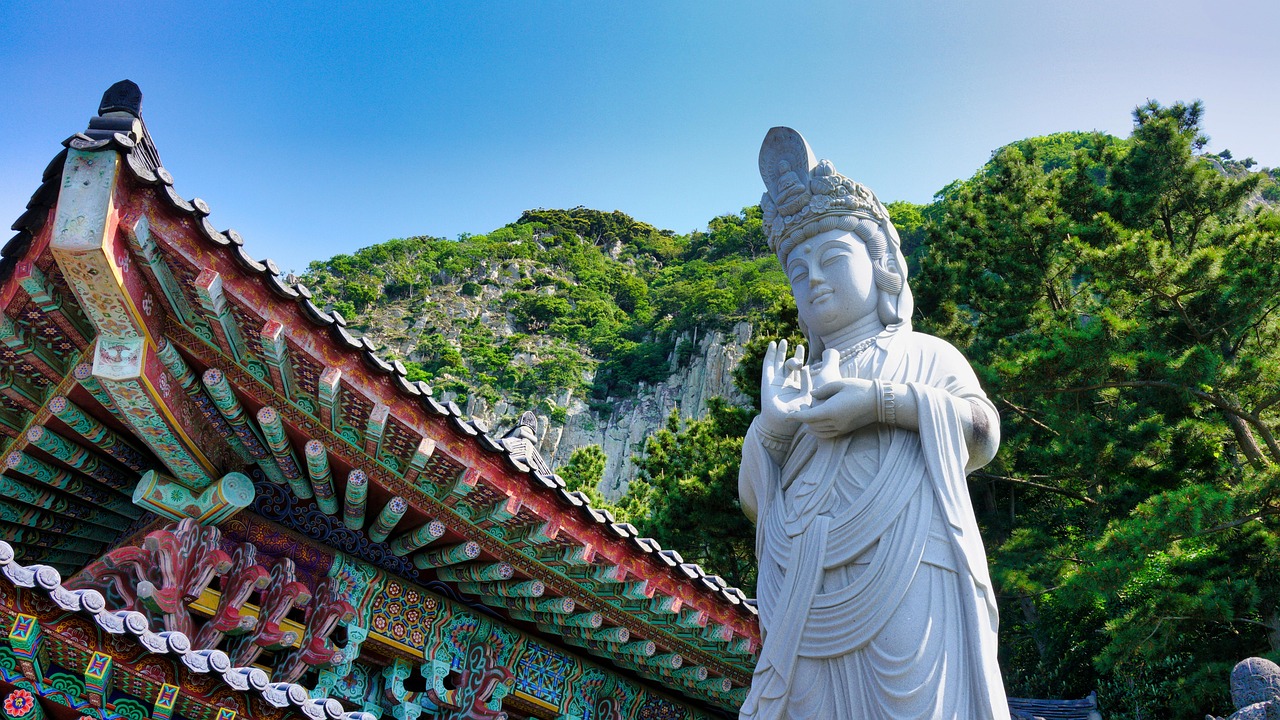
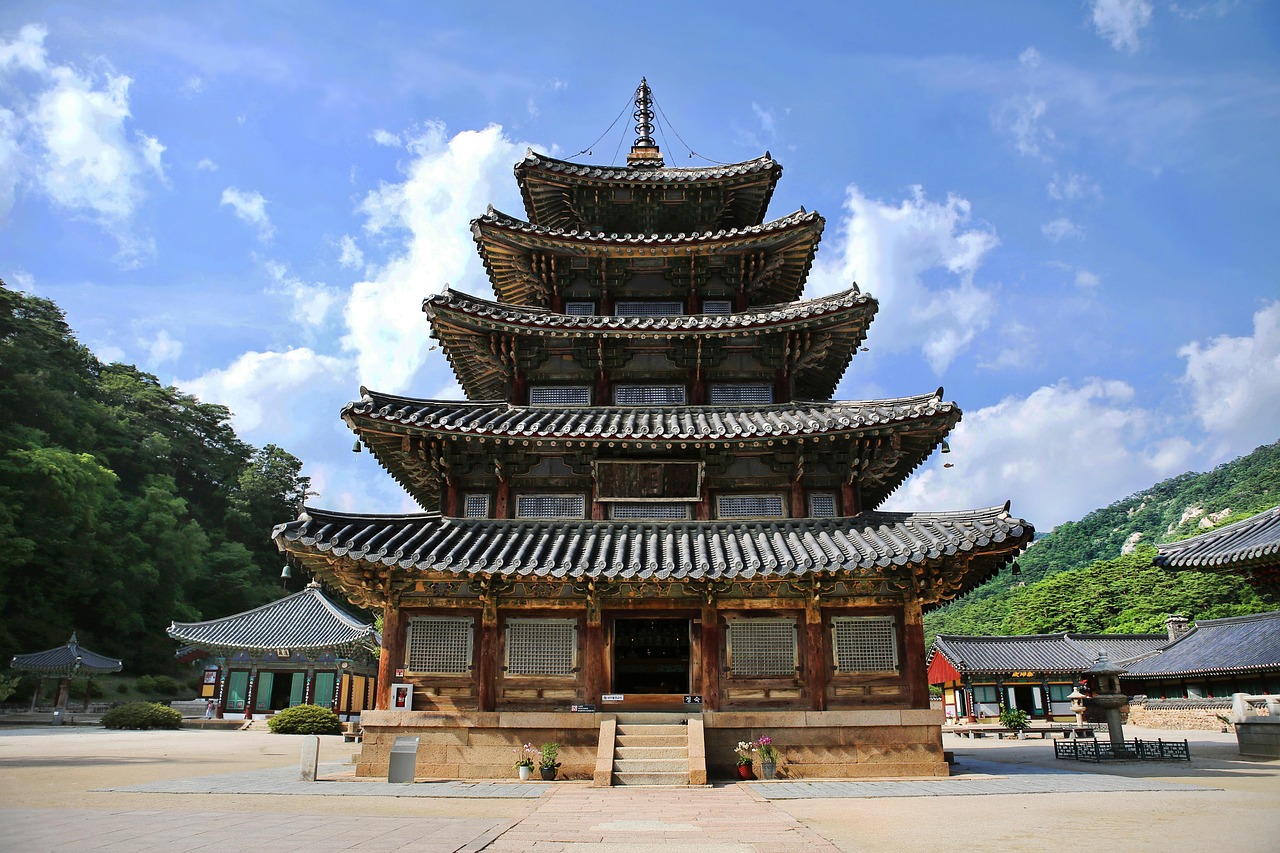
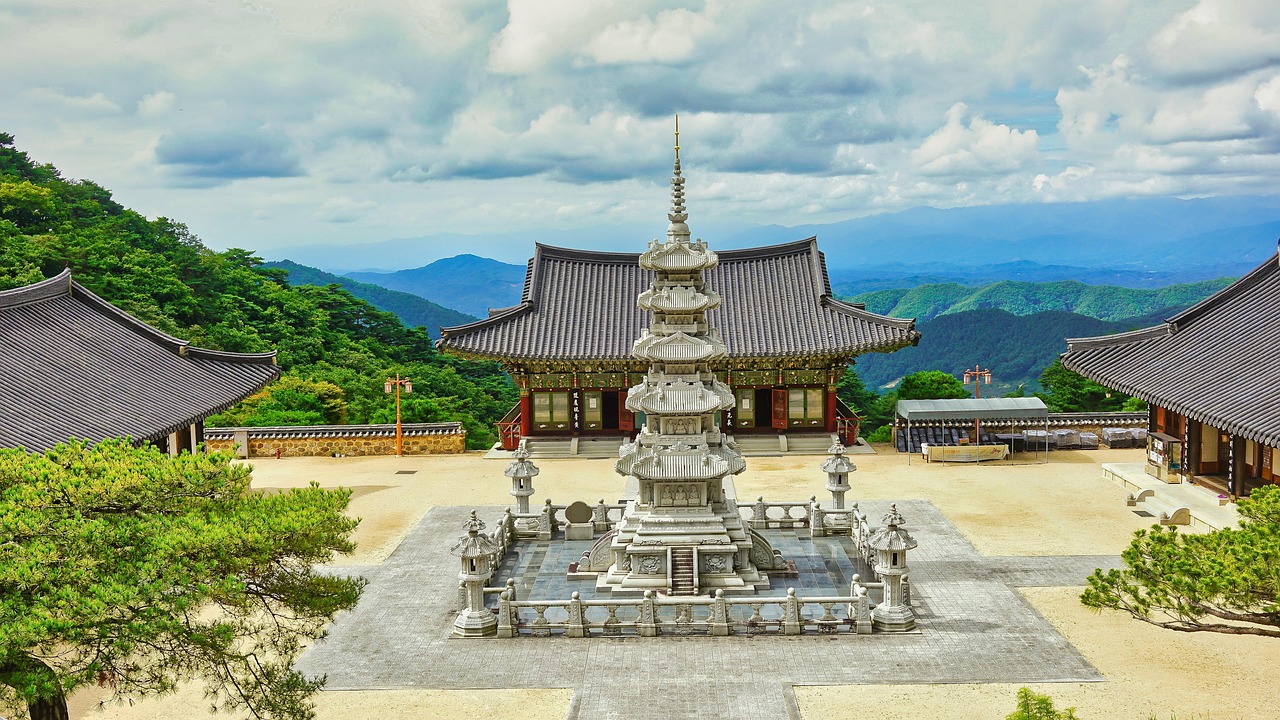
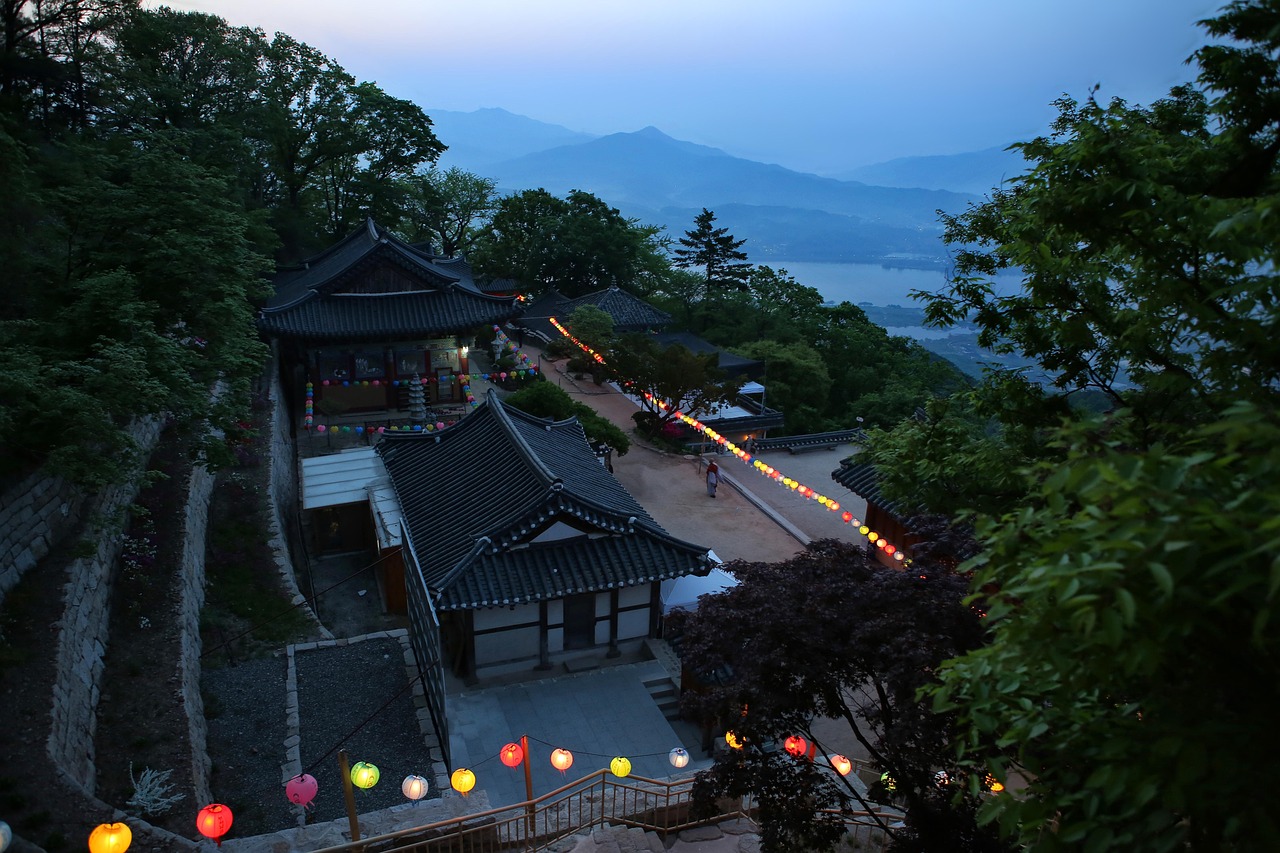
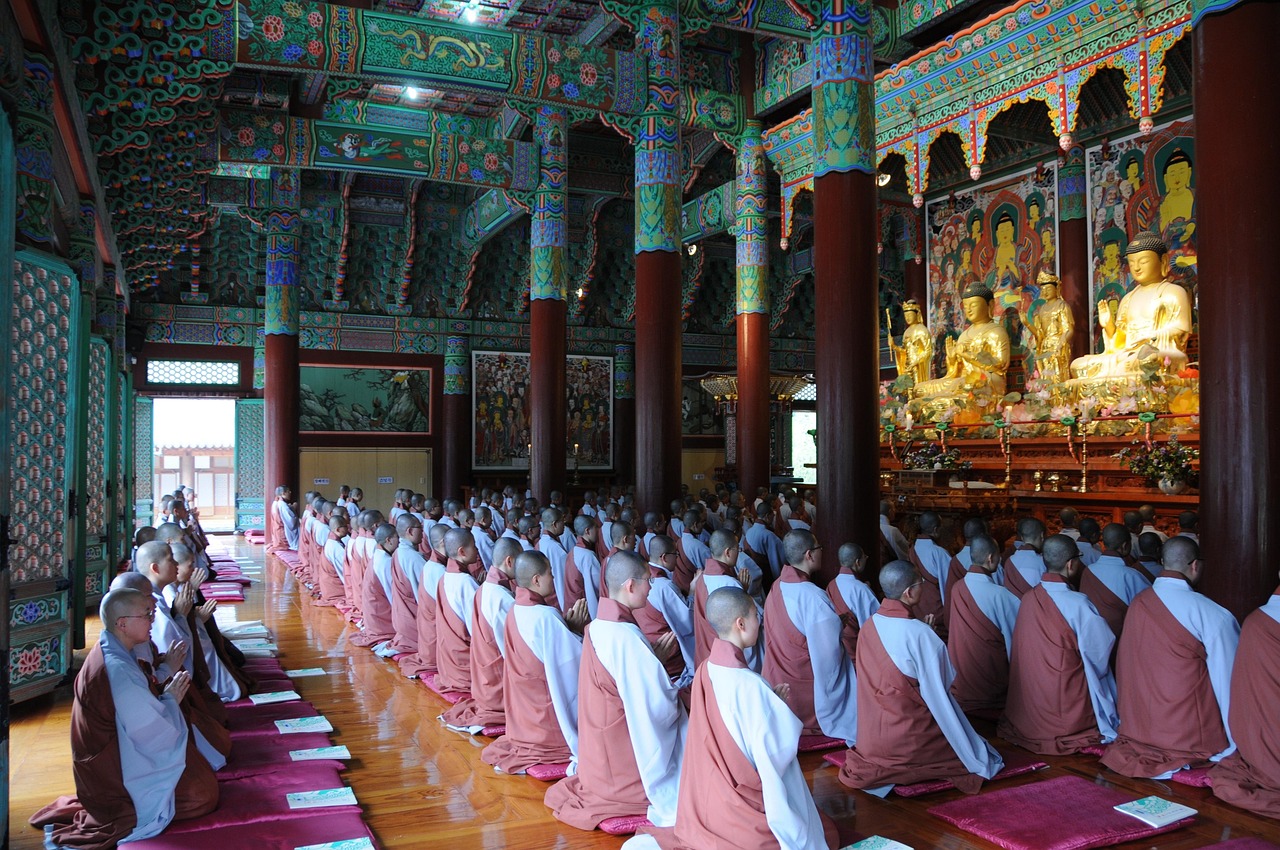
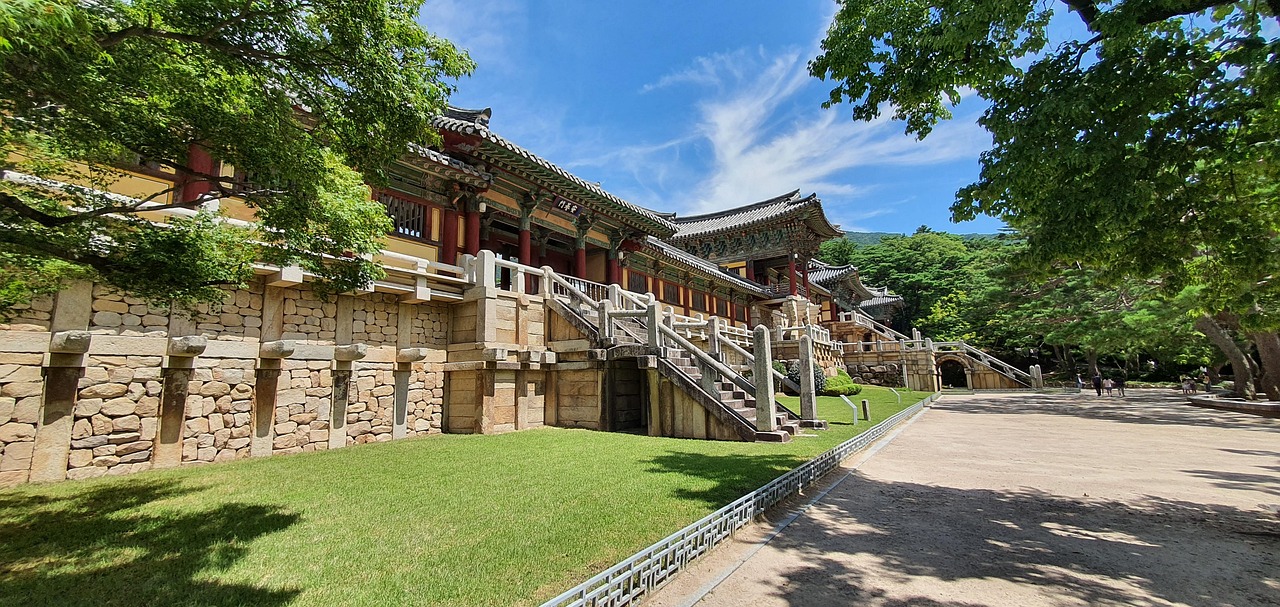
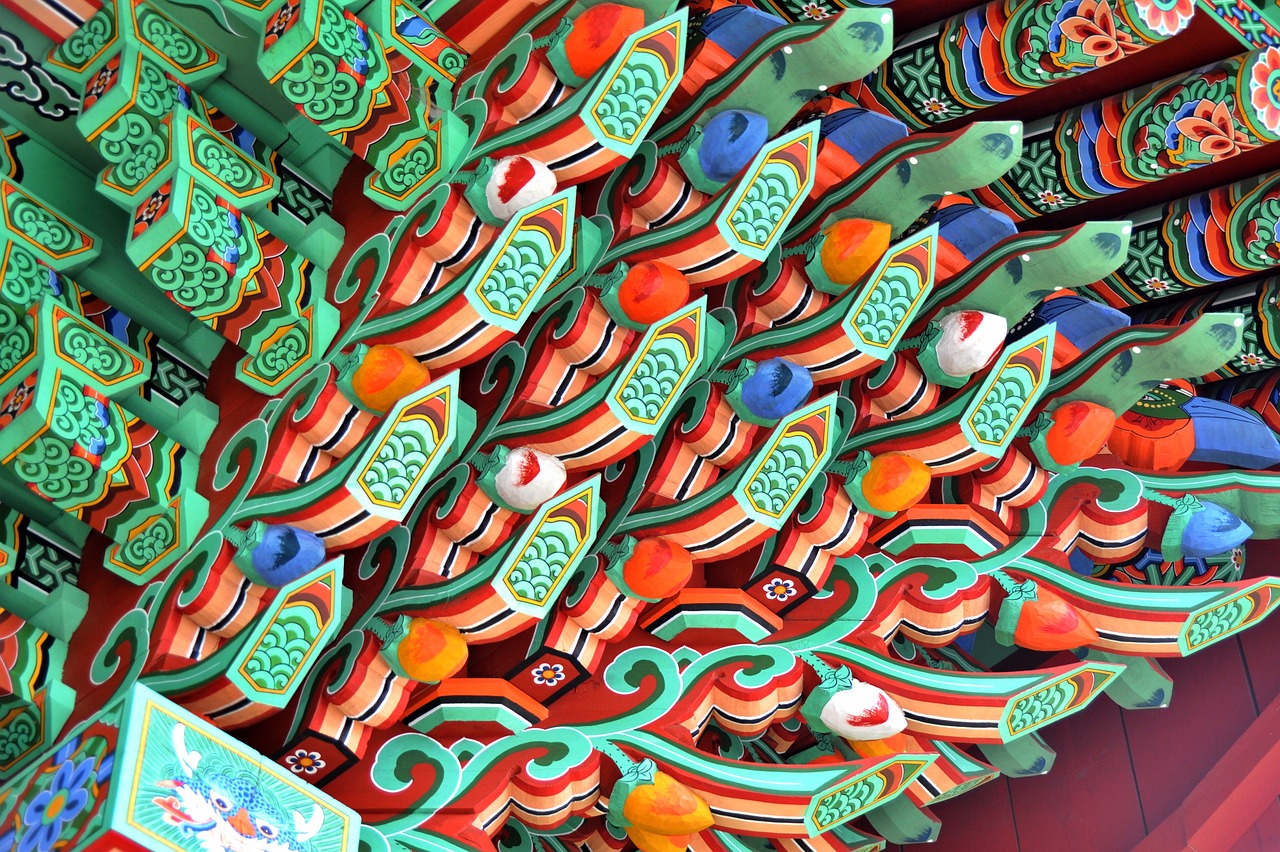
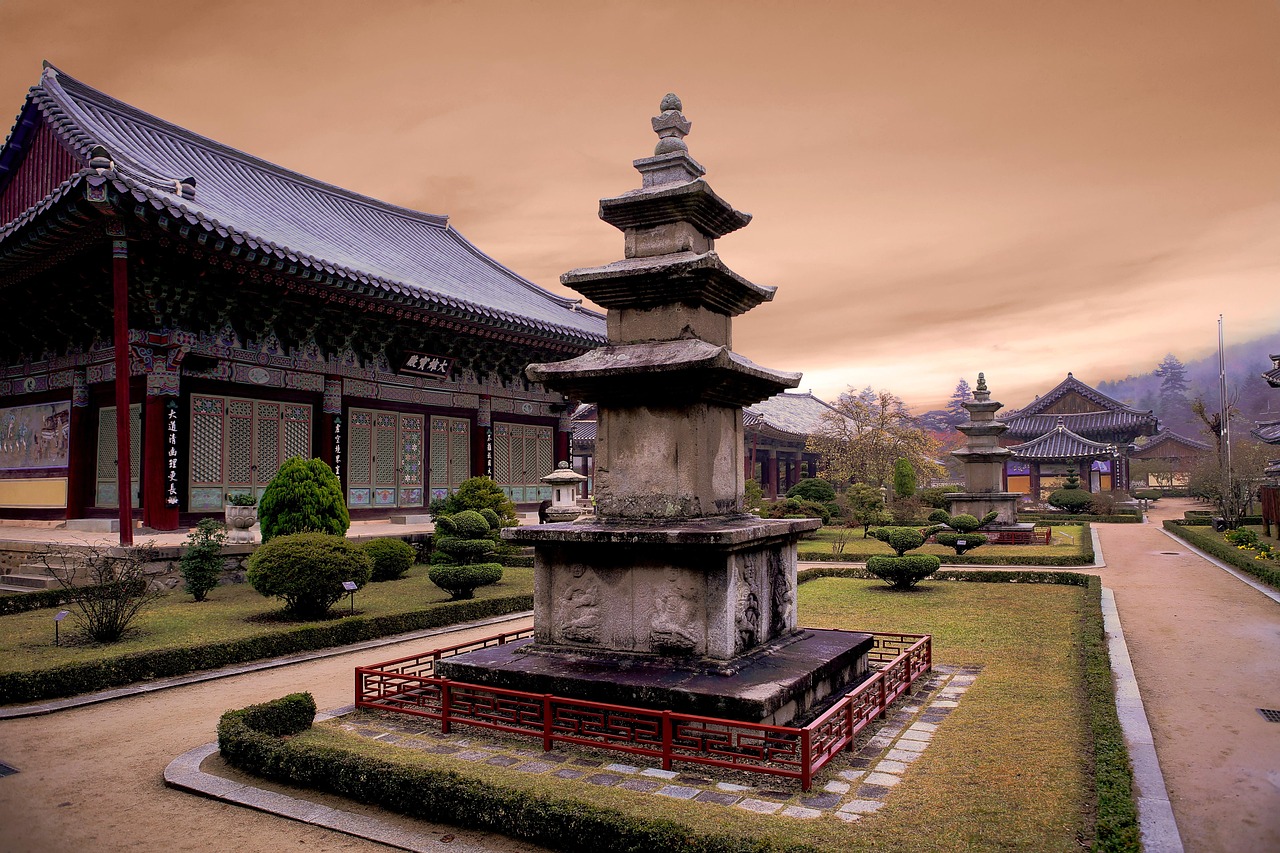
Korean Buddhist temples are architectural marvels that harmonize with nature. Built according to feng shui principles, temples are typically located in mountains, creating a sense of peace and connection with the natural world. The architecture features intricate wooden structures, colorful dancheong (traditional decorative painting), and beautiful gardens.
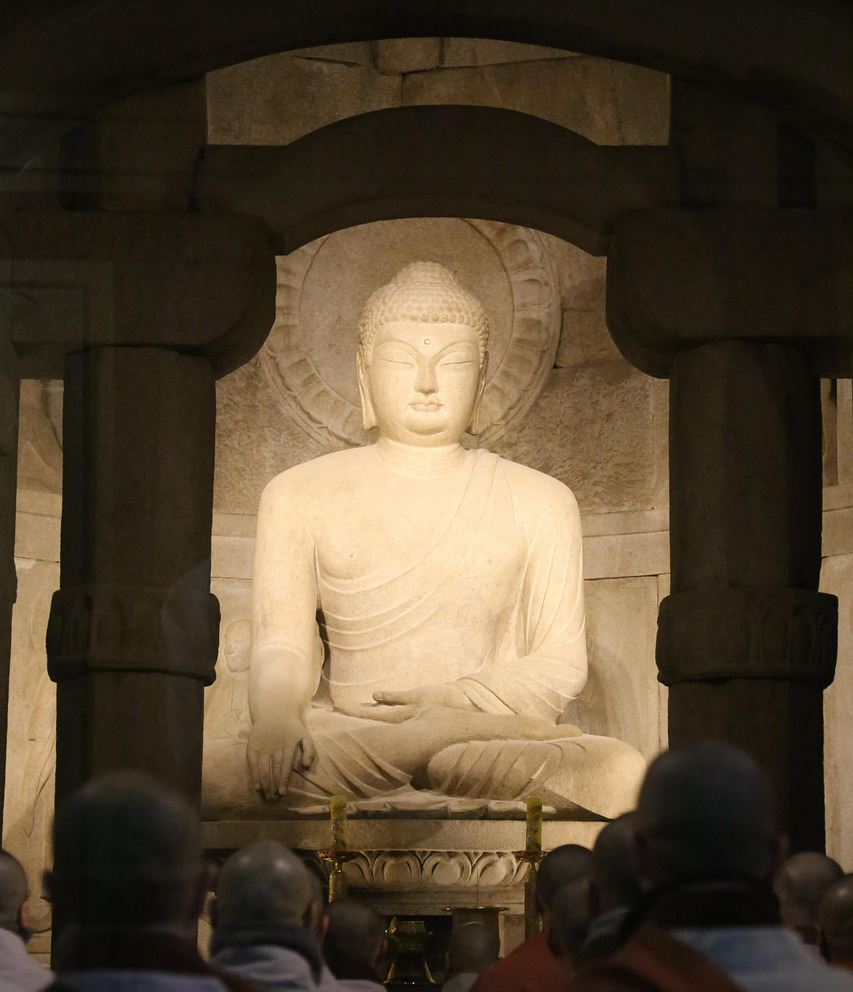
Buddhist art in Korea includes magnificent statues, paintings, and pagodas. The Seokguram Grotto, a UNESCO World Heritage site, houses one of the finest examples of Buddhist sculpture in the world—a serene Buddha statue carved from granite, surrounded by intricate reliefs of bodhisattvas and disciples.
Temple Stay: Experiencing Buddhist Life
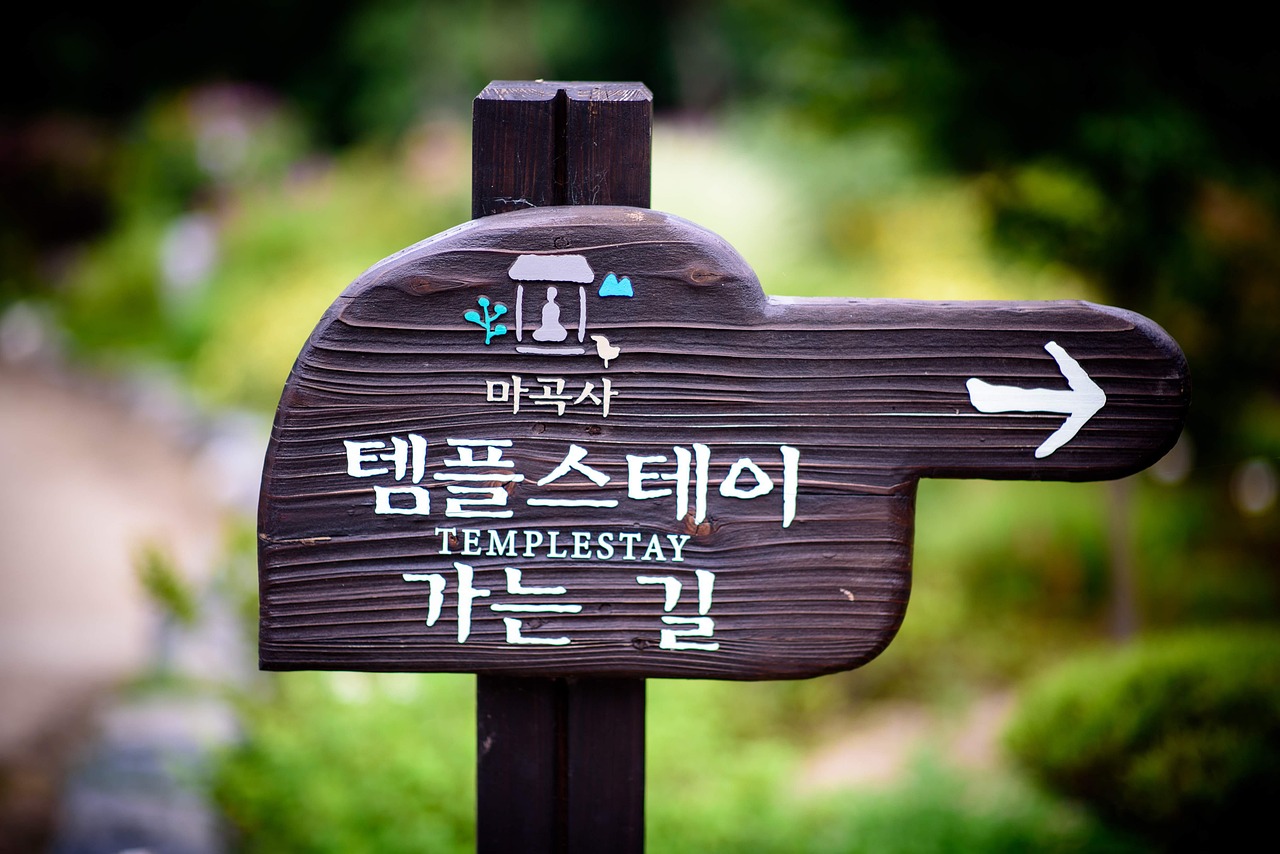
Temple stay programs offer visitors a unique opportunity to experience authentic Buddhist monastic life. Participants join monks for morning and evening ceremonies, practice meditation, enjoy traditional vegetarian meals, and learn about Buddhist philosophy. This immersive experience provides deep insight into Korean Buddhist culture and offers a chance for personal reflection and spiritual growth.
Many temples offer temple stay programs, from one-day experiences to longer retreats. These programs are open to people of all backgrounds and faiths, making Buddhist practice accessible to everyone interested in exploring Korean spirituality.
Buddhist Festivals and Ceremonies
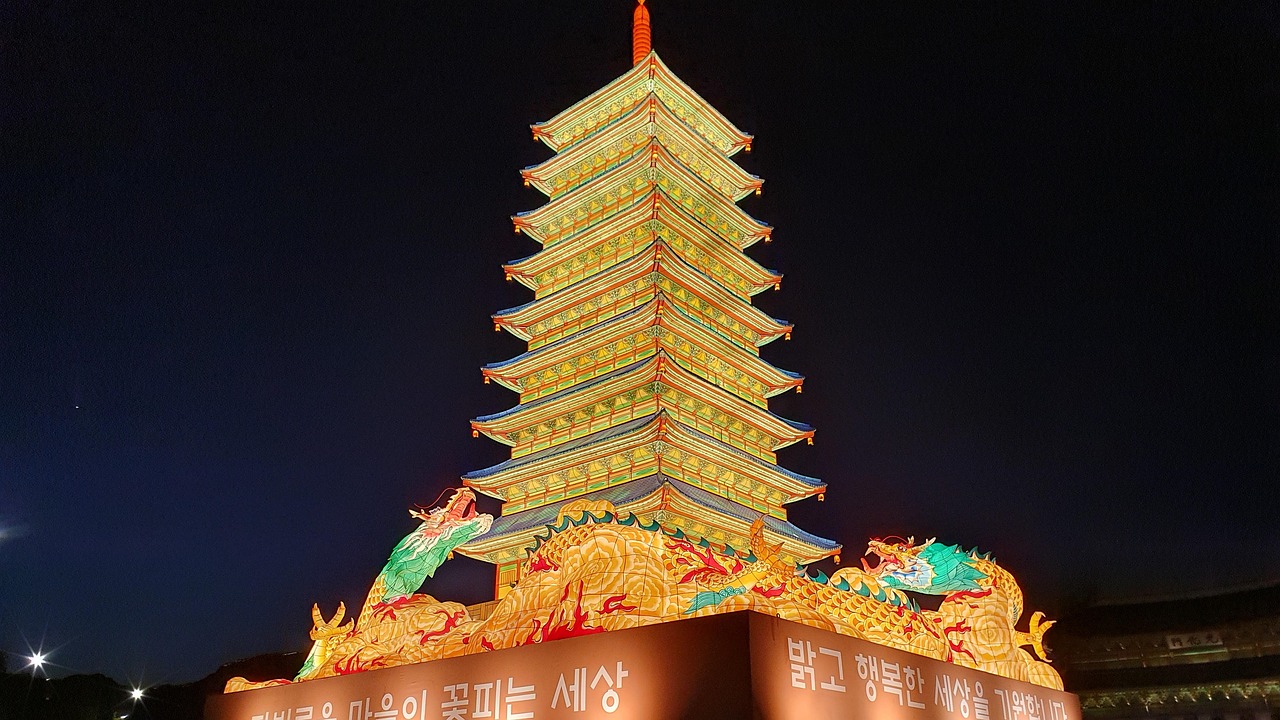
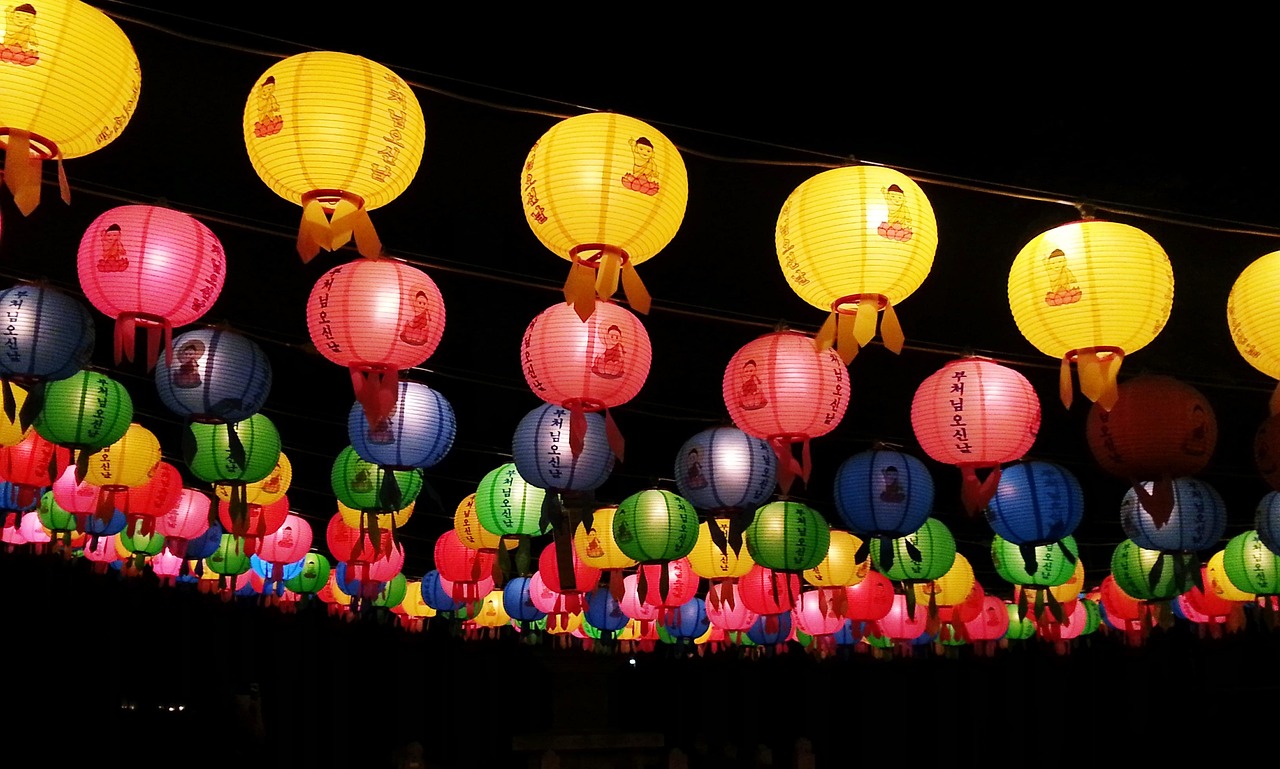
Korean Buddhism is rich with festivals and ceremonies throughout the year. The most famous is the Lotus Lantern Festival (연등회), held in May to celebrate Buddha's birthday. During this festival, thousands of colorful lanterns light up temples and streets, creating a magical atmosphere that attracts visitors from around the world.
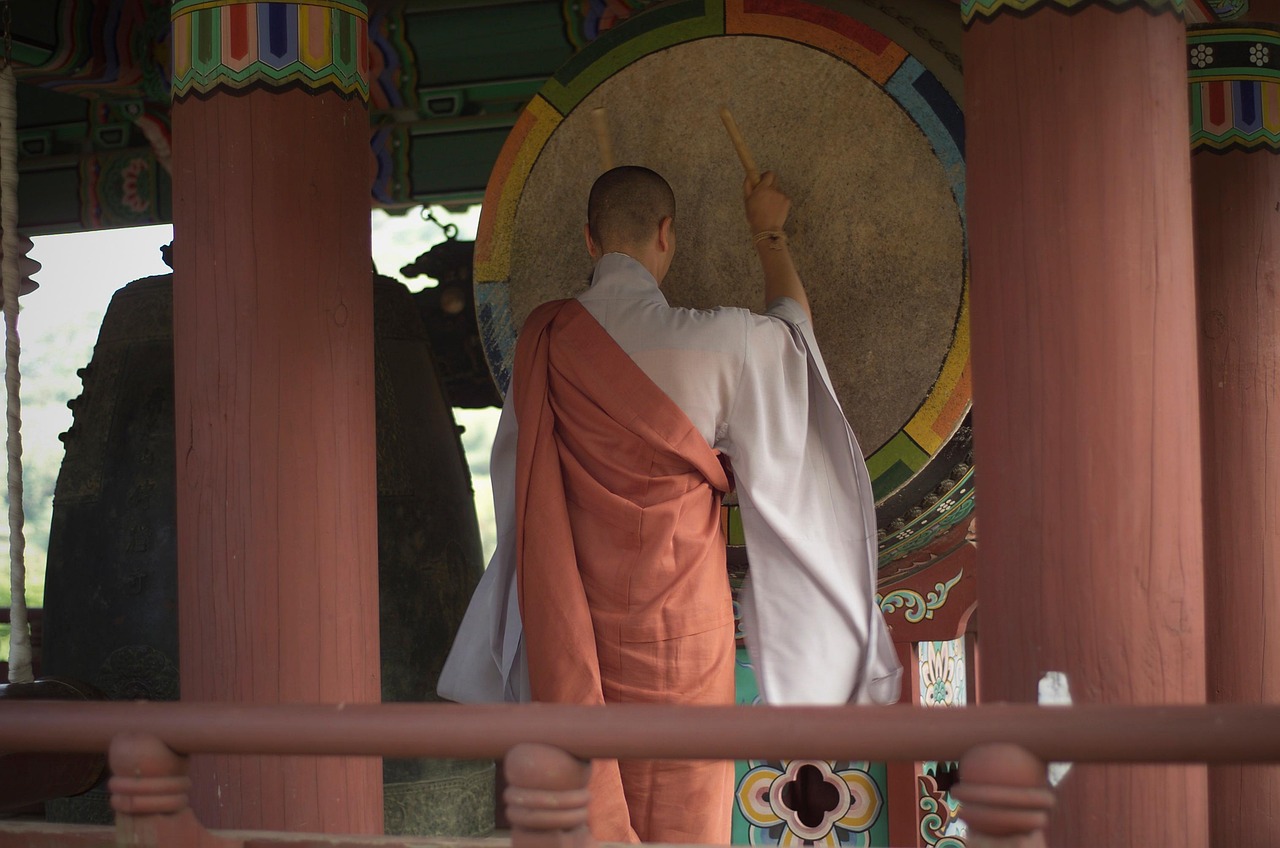
Other important ceremonies include daily morning and evening services, meditation sessions, and special rituals for various Buddhist holidays. These ceremonies often feature traditional Korean Buddhist music, chanting, and beautiful rituals that have been preserved for centuries.
Buddhism in Modern Korea
Today, Buddhism remains a vital part of Korean culture, with millions of practitioners and thousands of active temples. Korean Buddhism has also gained international recognition, with many foreigners coming to Korea specifically to study meditation and Buddhist philosophy.
The integration of traditional Buddhist practices with modern life makes Korean Buddhism particularly relevant today. The emphasis on mindfulness, compassion, and environmental awareness resonates with contemporary values, making it an important spiritual tradition for the 21st century.