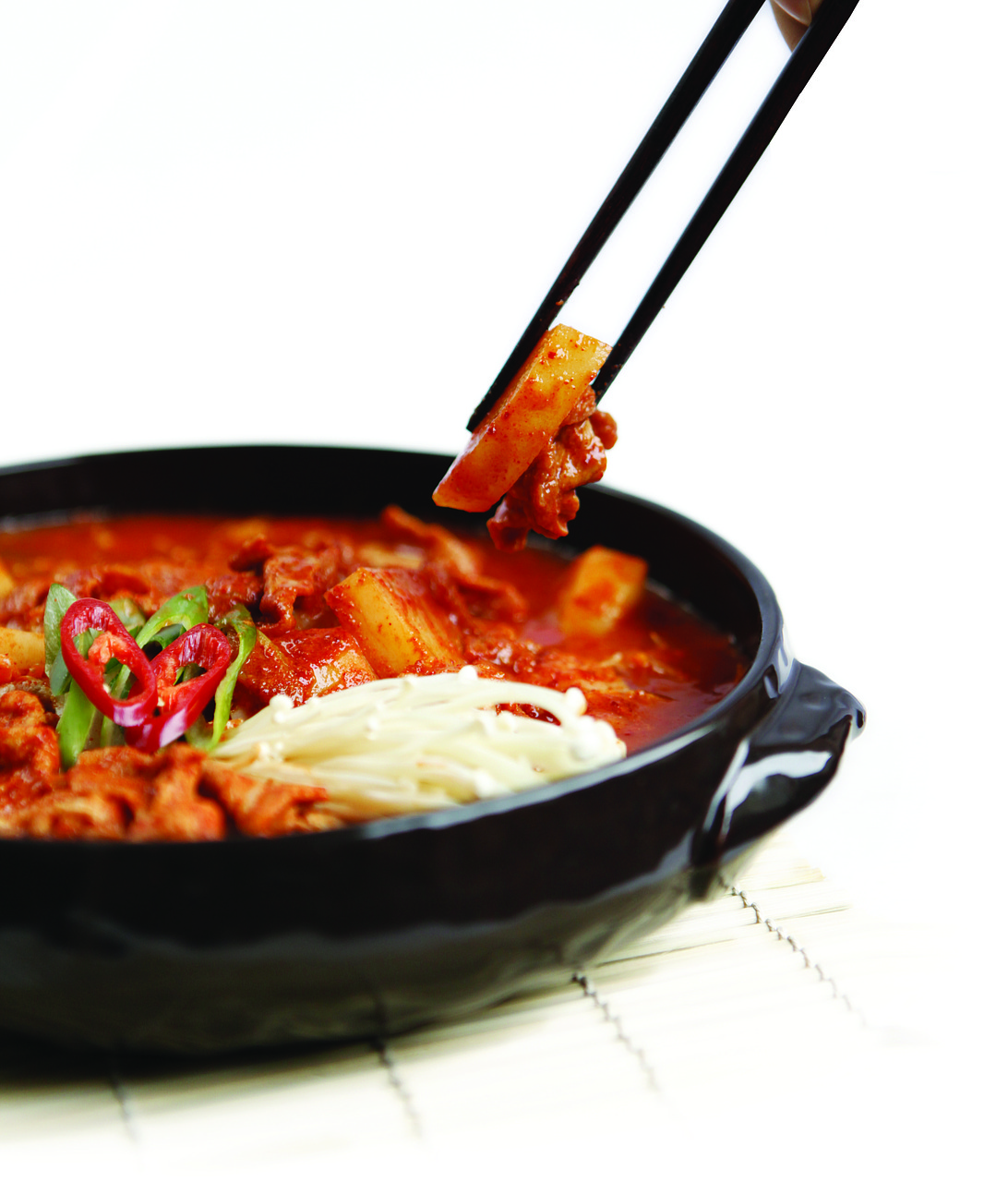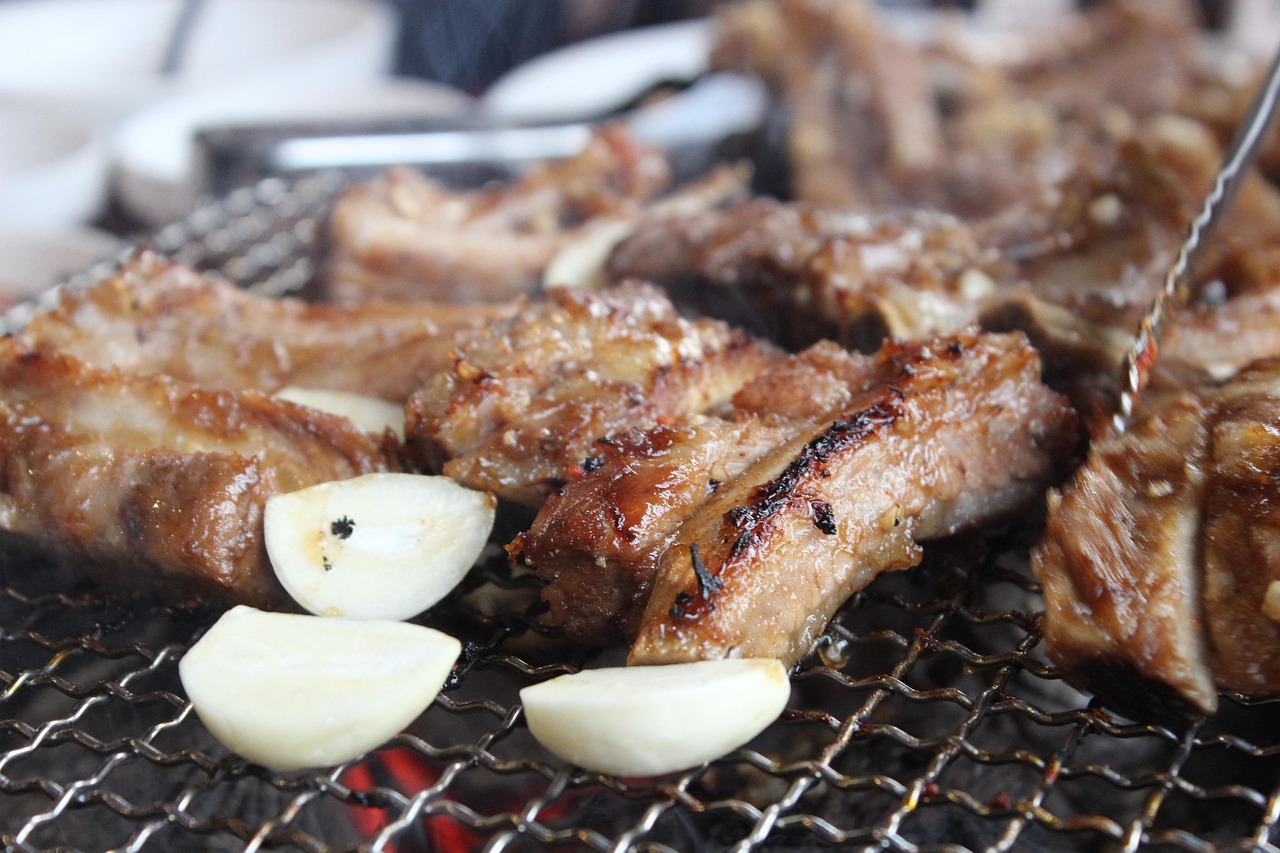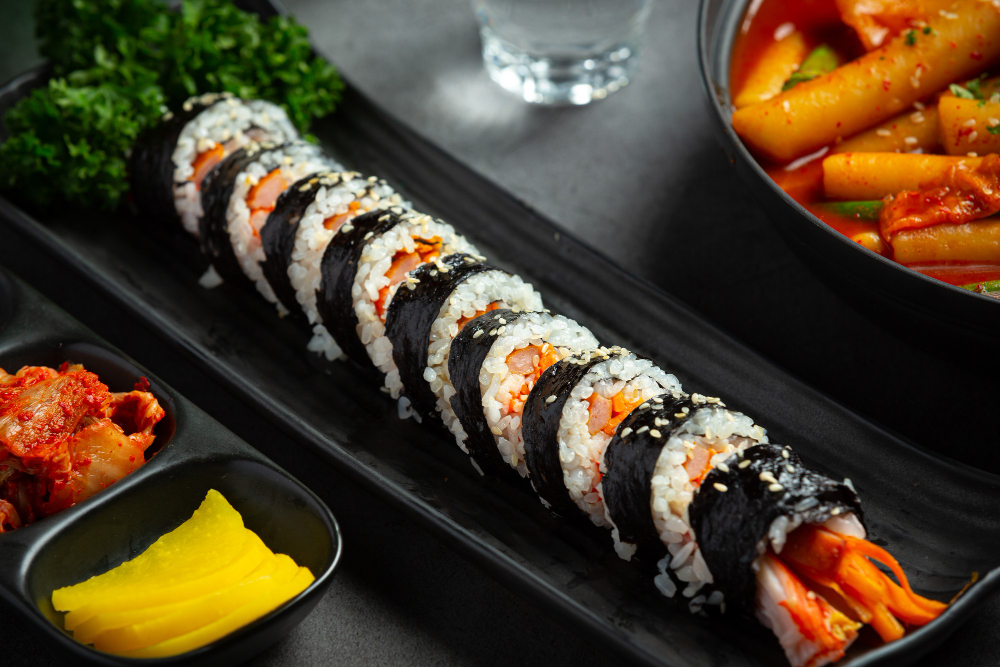
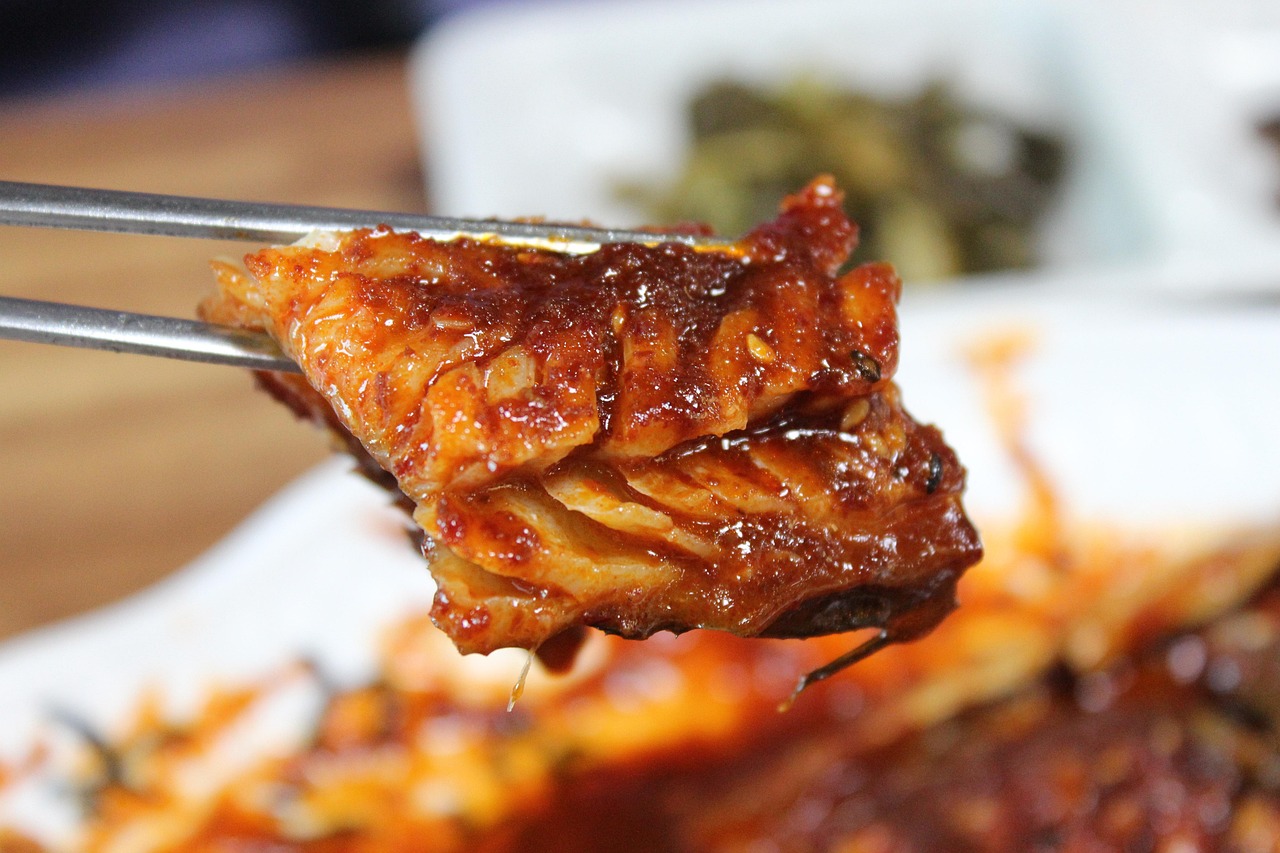
Korean cuisine, known as hansik (한식), is a rich and diverse culinary tradition that has evolved over thousands of years. Characterized by bold flavors, fermented foods, and a focus on balance and nutrition, Korean food has gained international recognition and popularity. From royal court cuisine to street food, Korean cooking offers a fascinating journey through the nation's culture and history.
The Foundation of Korean Cuisine
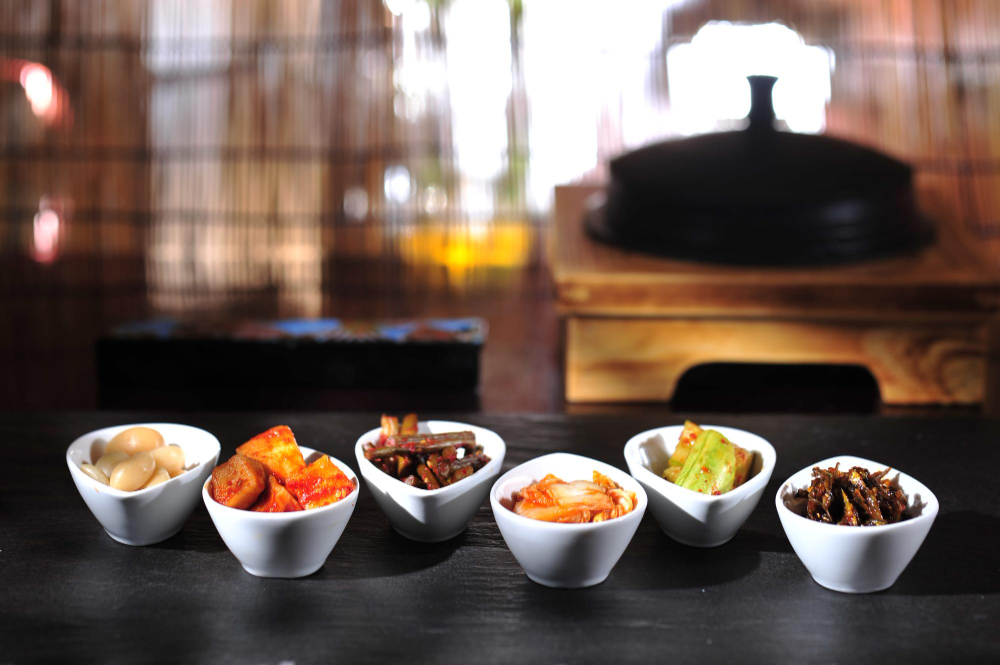
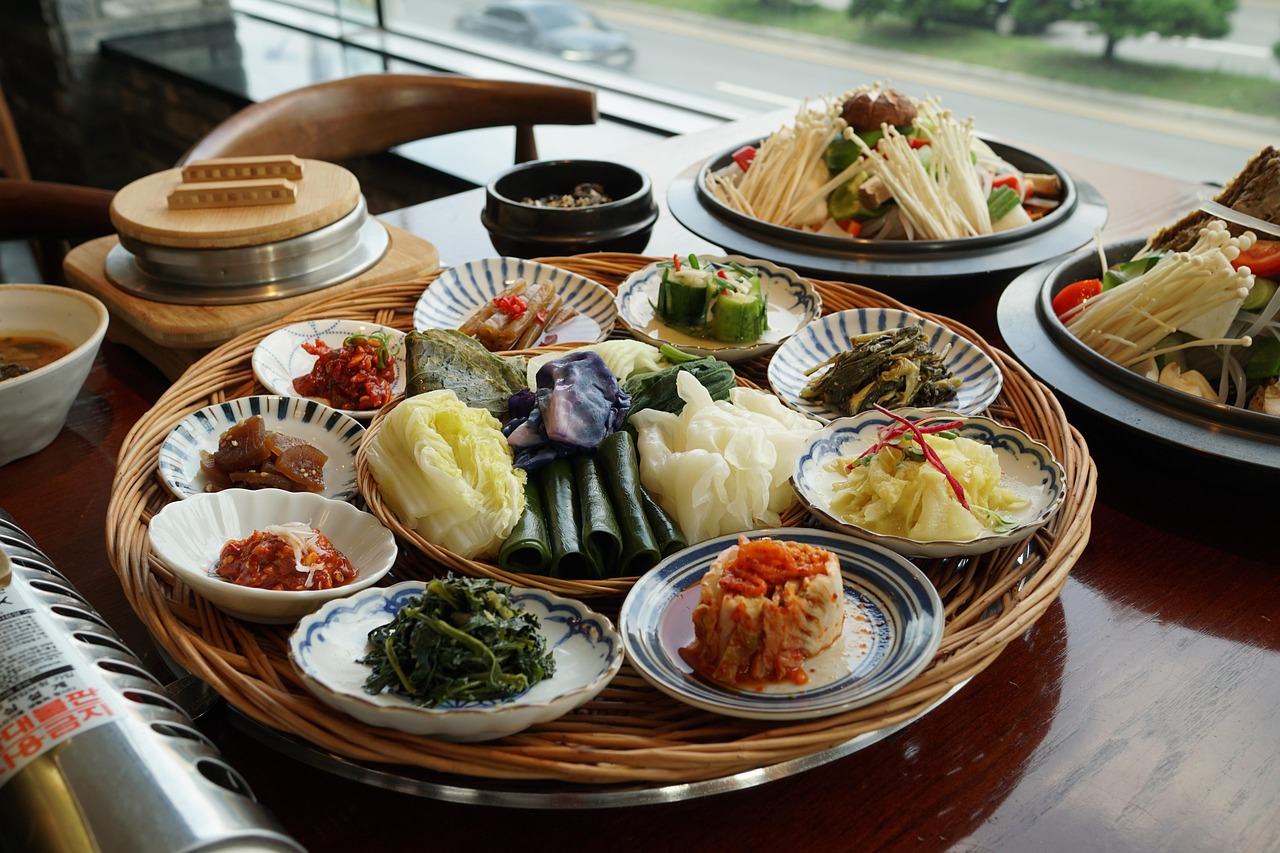
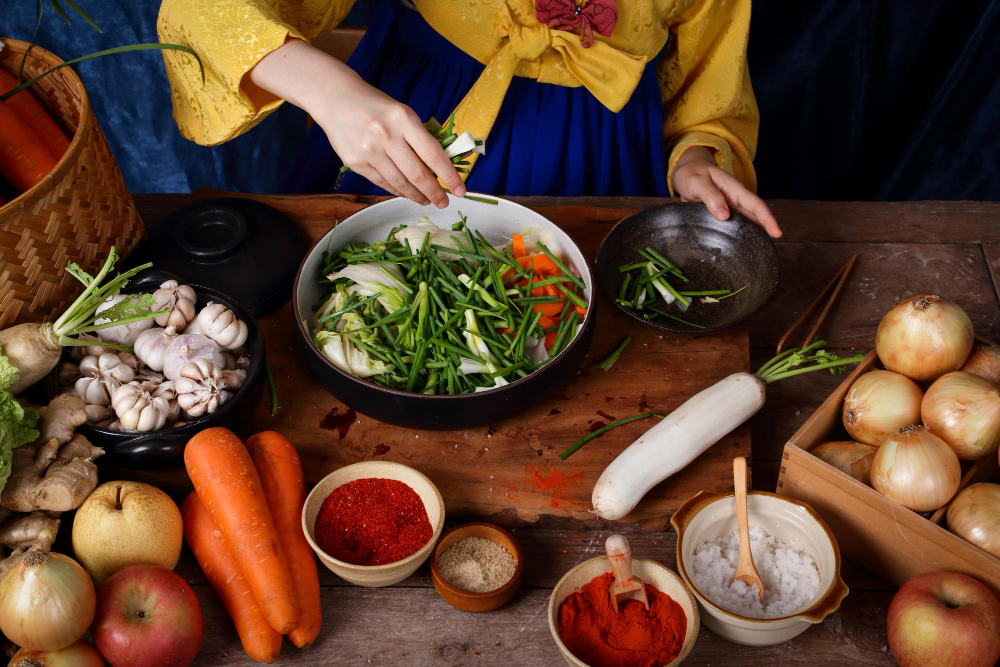
Korean cuisine is built on the principles of balance and harmony. The traditional Korean meal, known as bapsang (밥상), typically includes rice, soup, and several side dishes (banchan). This structure ensures a balanced diet with carbohydrates, proteins, vegetables, and fermented foods. The emphasis on seasonal ingredients and natural flavors is central to Korean cooking philosophy.
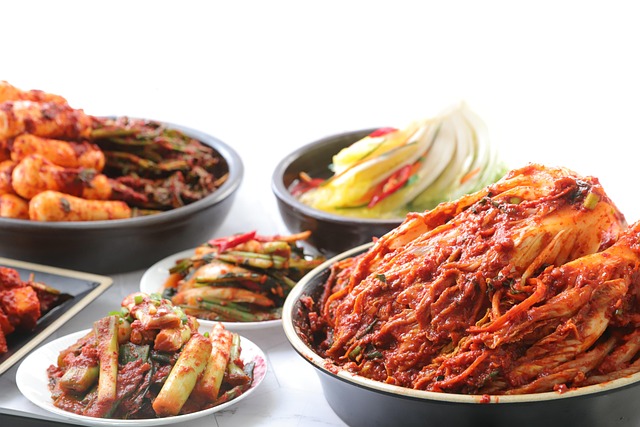
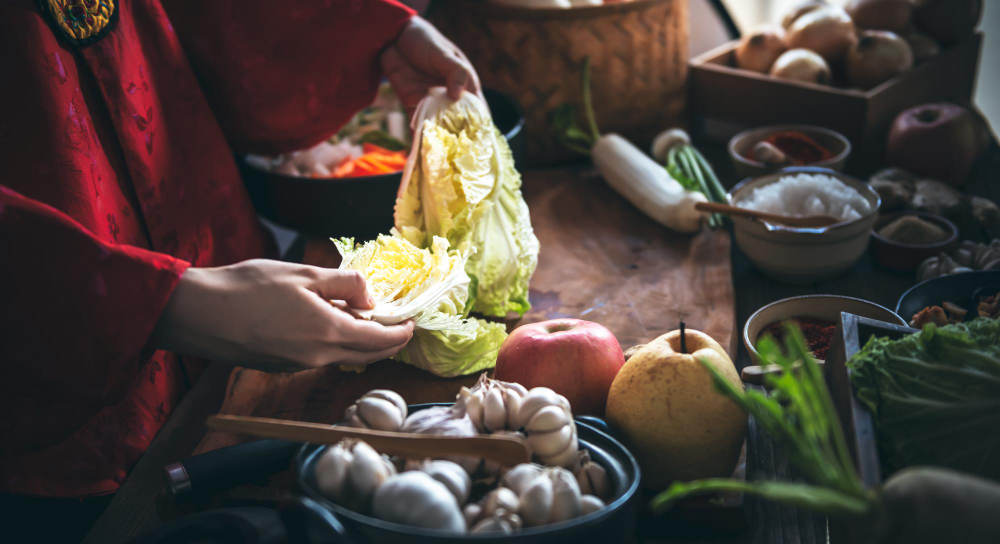
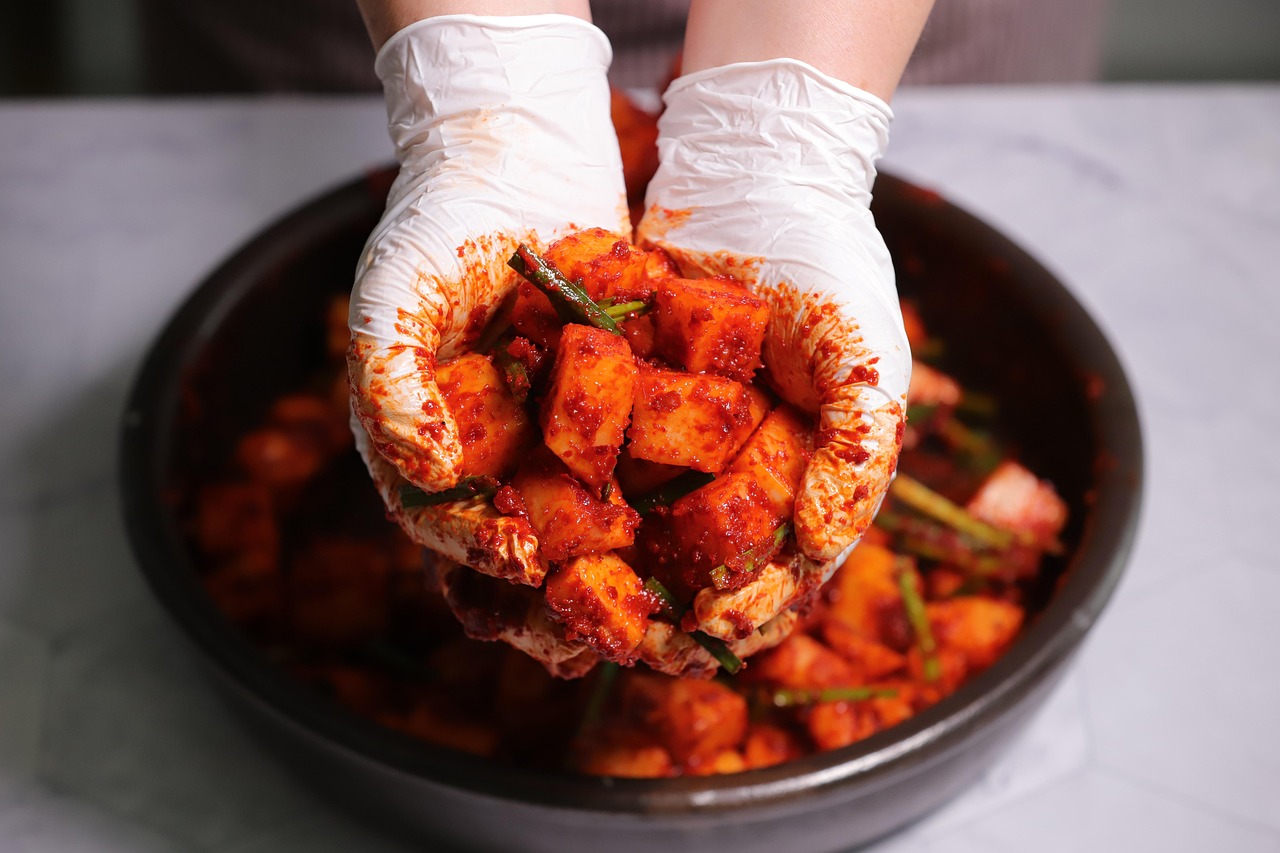
Fermentation plays a crucial role in Korean cuisine, with kimchi being the most famous example. This traditional method of food preservation not only extends shelf life but also enhances nutritional value and creates unique flavors. Other fermented foods include doenjang (soybean paste), gochujang (red pepper paste), and various types of kimchi.
Royal Court Cuisine (Hanjeongsik)
Royal court cuisine represents the pinnacle of Korean culinary art. Developed for the Joseon Dynasty royal family, hanjeongsik features elaborate presentations, refined flavors, and meticulous preparation. These meals can include dozens of dishes, each carefully prepared and beautifully presented. Today, visitors can experience this royal cuisine at specialized restaurants and cooking classes.
Regional Specialties
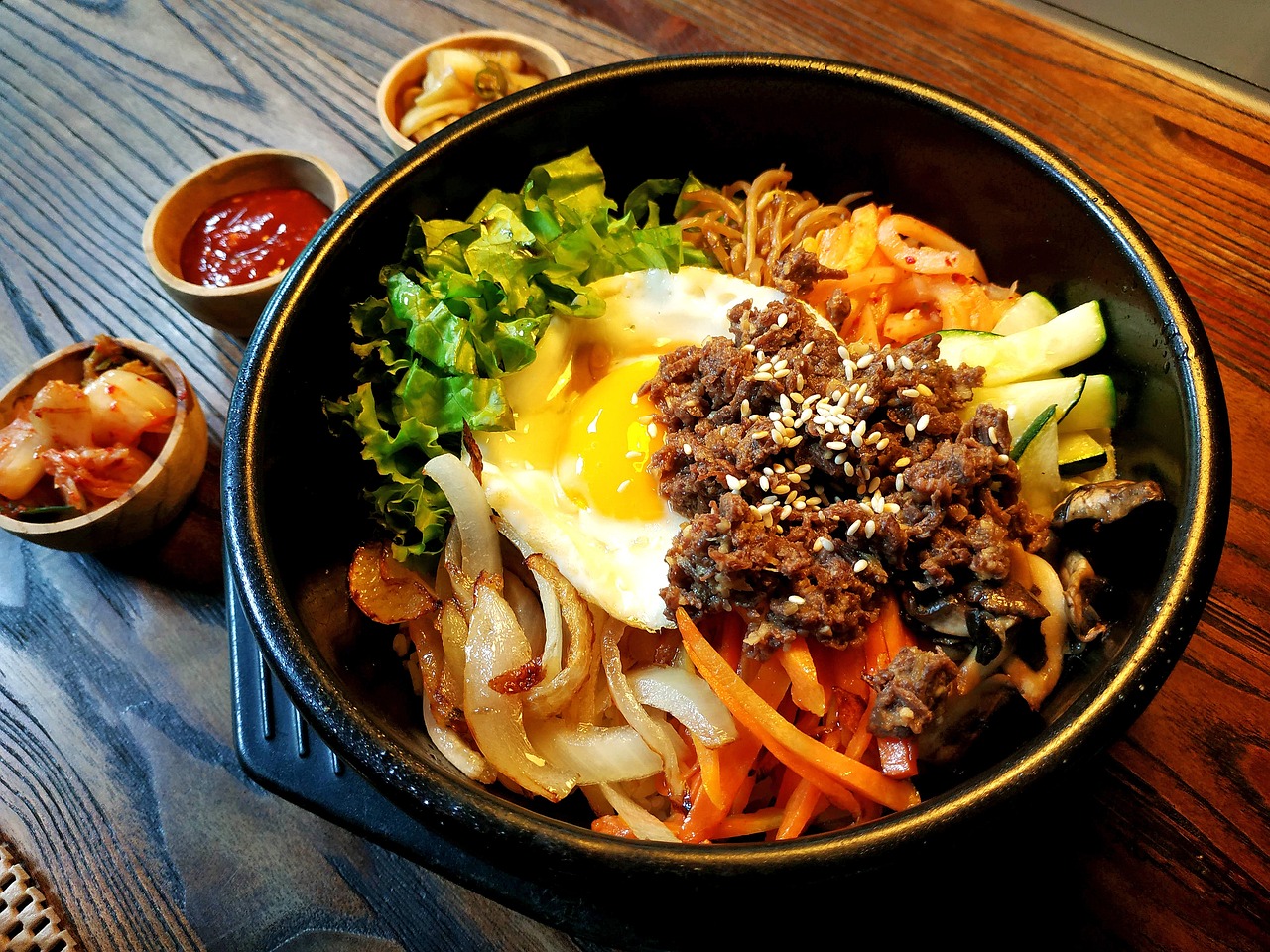
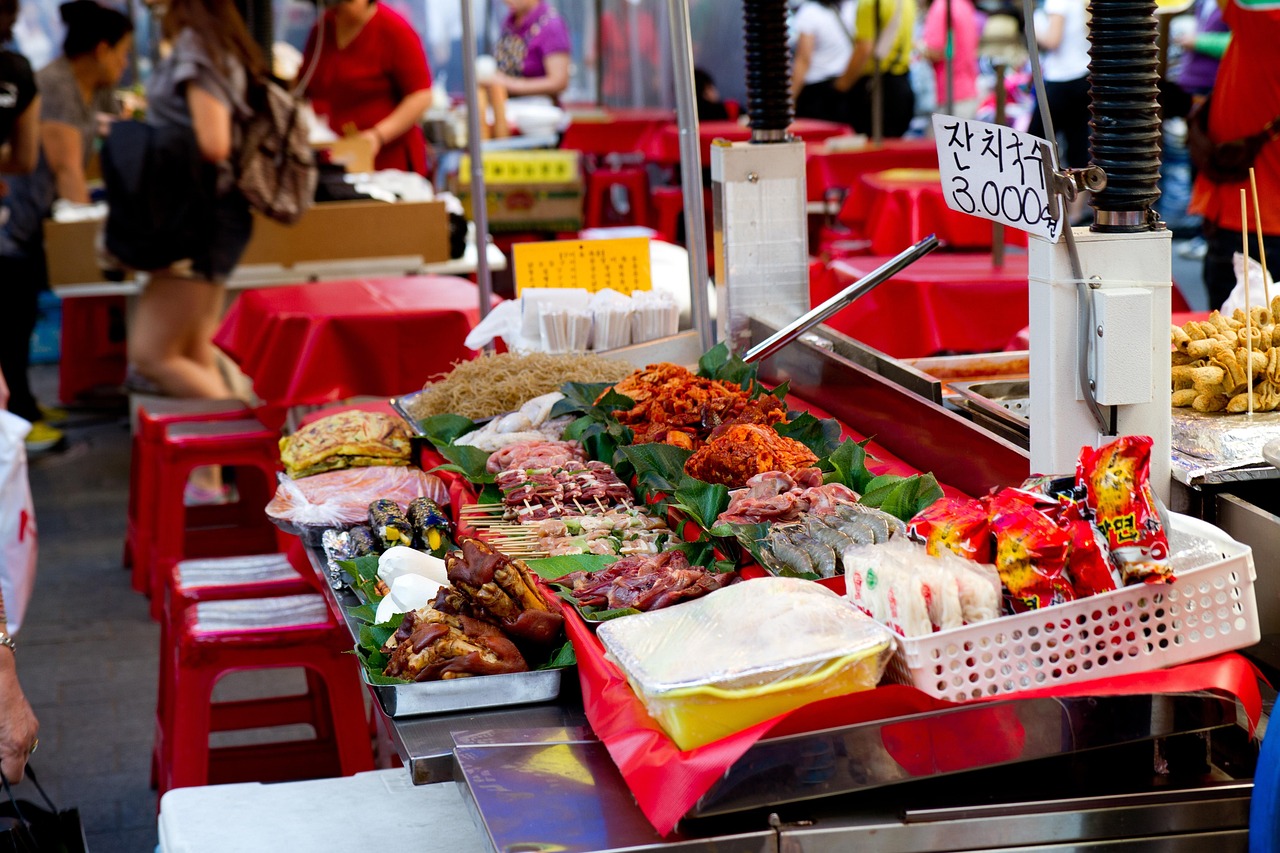
Korea's diverse regions each offer unique culinary specialties. Jeonju is famous for bibimbap, Busan for fresh seafood, and Gwangju for regional dishes. Each area's cuisine reflects local ingredients, climate, and cultural influences. Exploring regional Korean cuisine provides insight into the country's geographical and cultural diversity.
From the spicy flavors of the south to the hearty dishes of the north, regional Korean cuisine showcases the variety within Korean food culture. Cooking classes and market tours offer hands-on experiences to learn about these regional differences and cooking techniques.
Modern Korean Cuisine
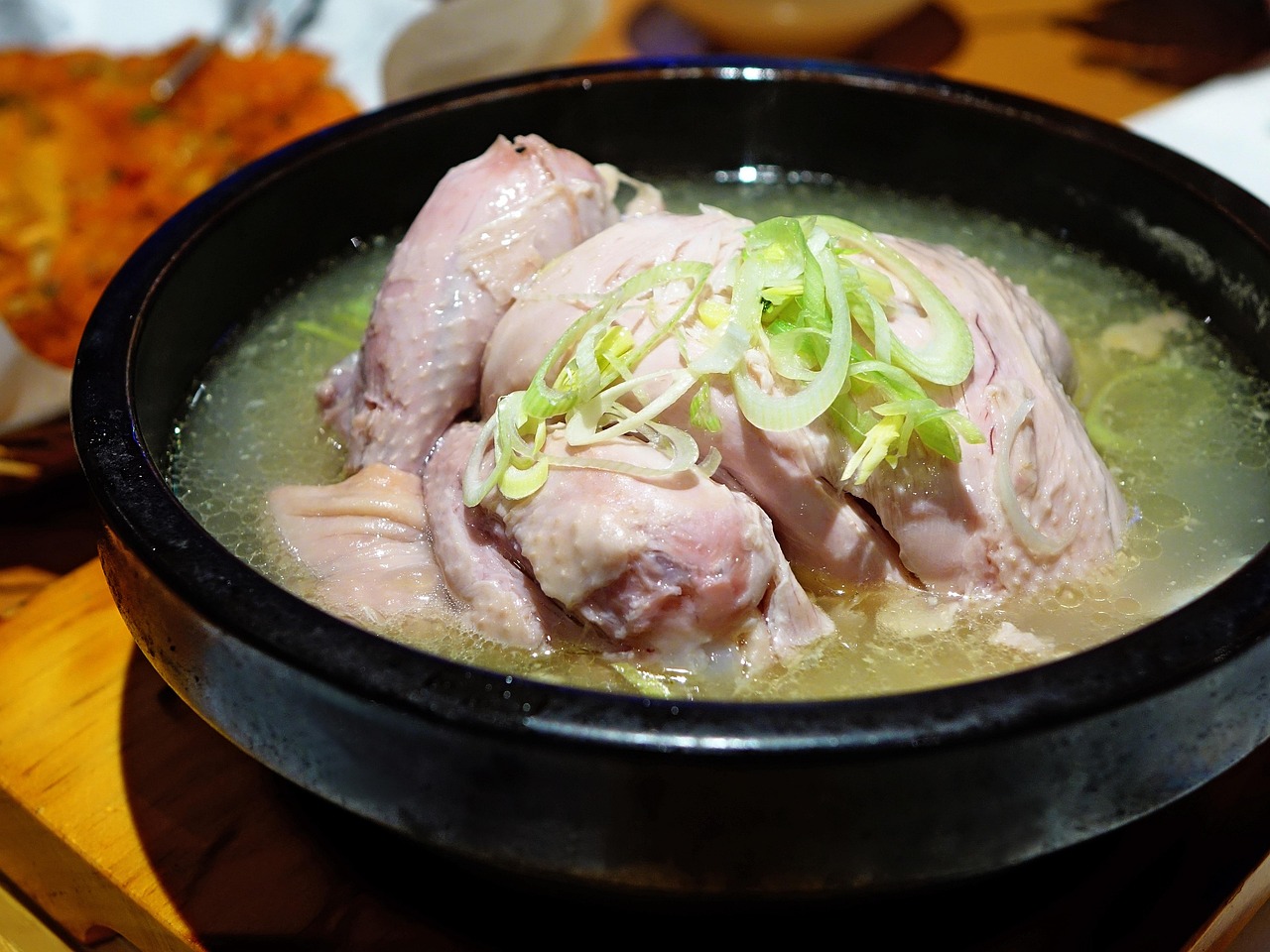
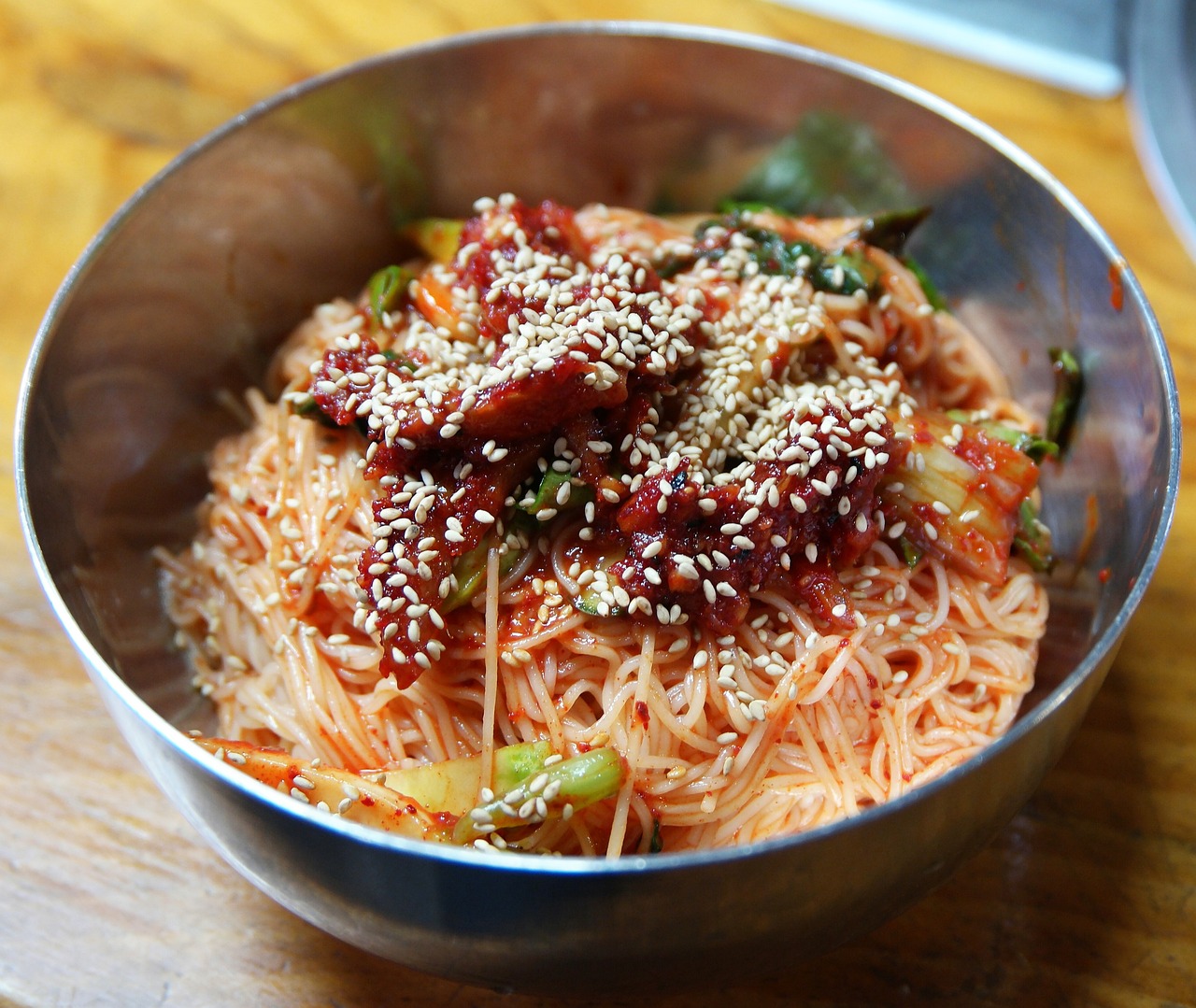
Korean cuisine continues to evolve, with modern chefs incorporating traditional techniques and flavors into contemporary dishes. Korean food has gained global popularity, with Korean restaurants opening worldwide. The combination of traditional flavors with modern presentation and techniques creates exciting culinary experiences that honor the past while embracing innovation.