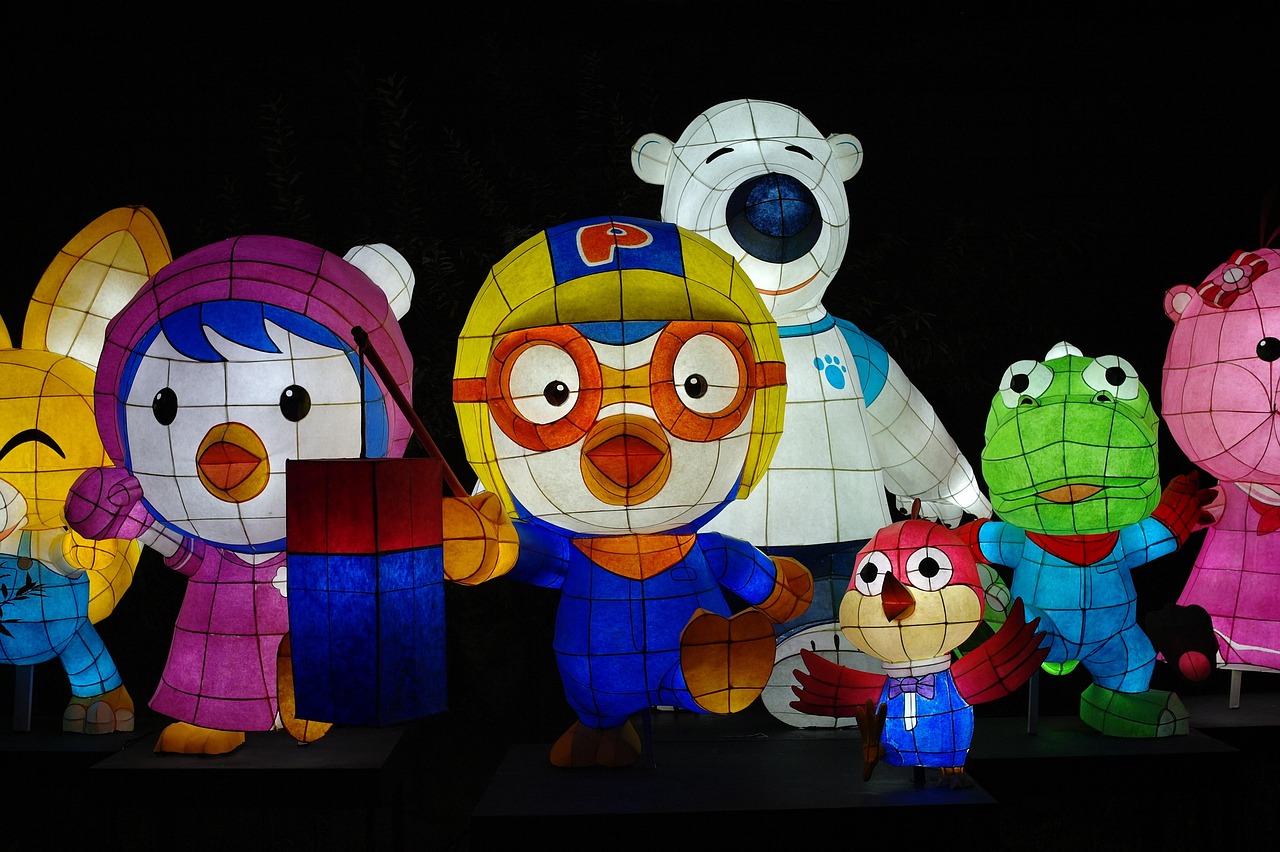
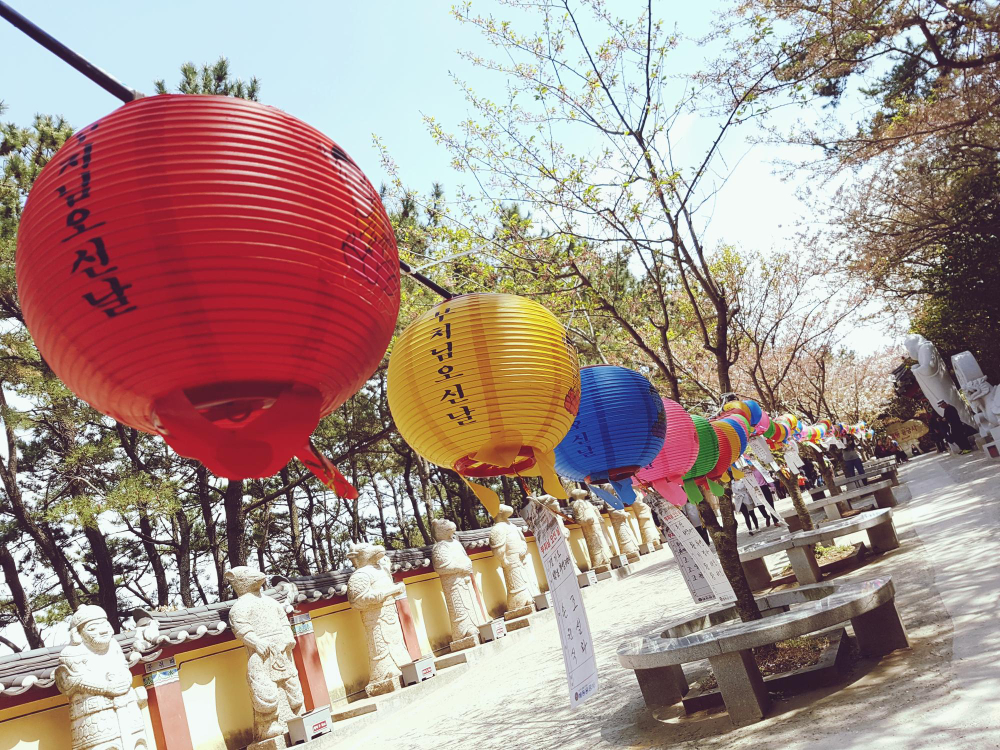
Korea is a country rich with festivals throughout the year, celebrating everything from traditional culture and seasonal changes to modern music and film. These festivals offer visitors unique opportunities to experience Korean culture, traditions, and contemporary arts in vibrant, community-centered celebrations.
Traditional Festivals
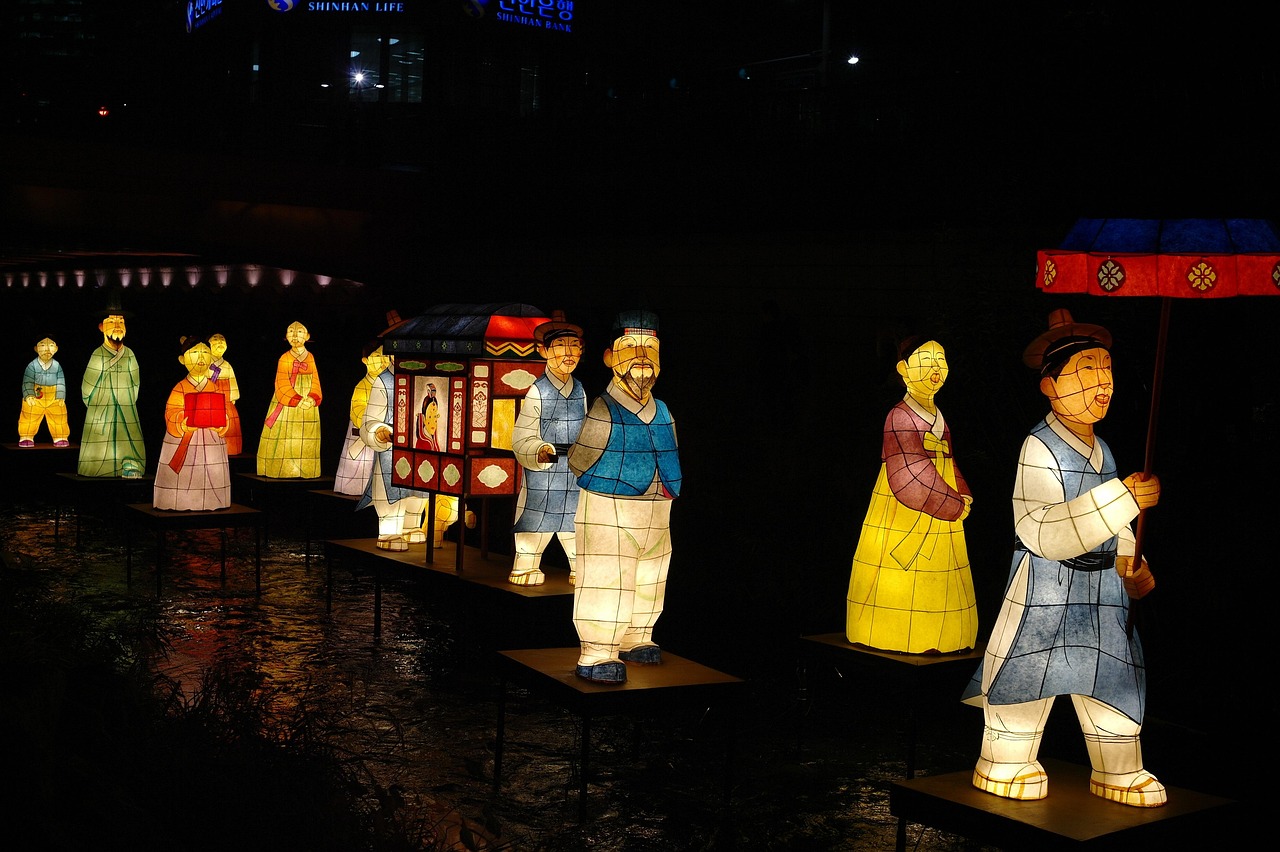
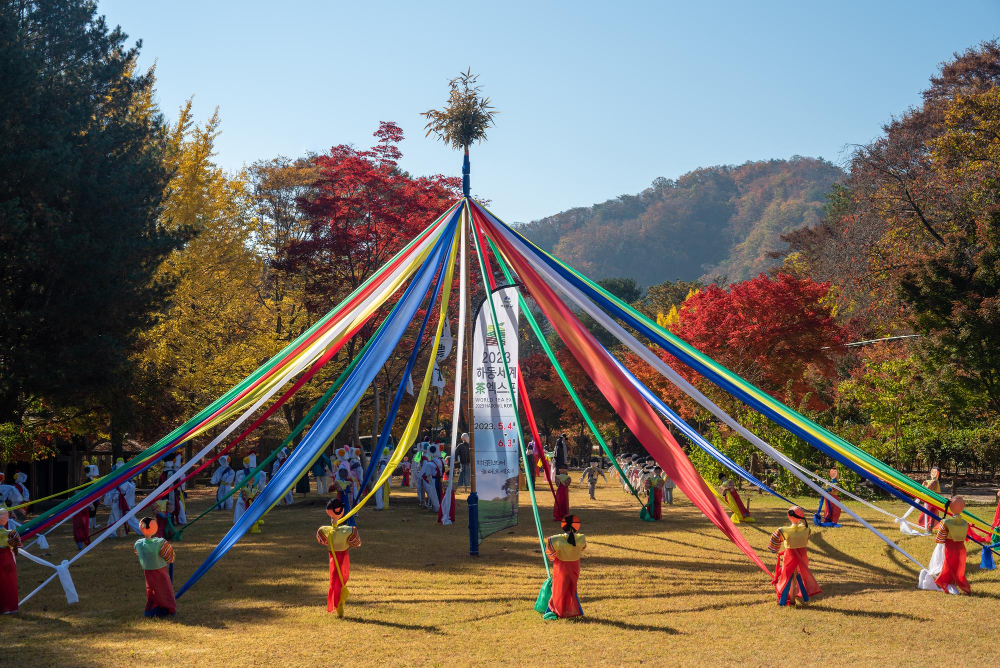
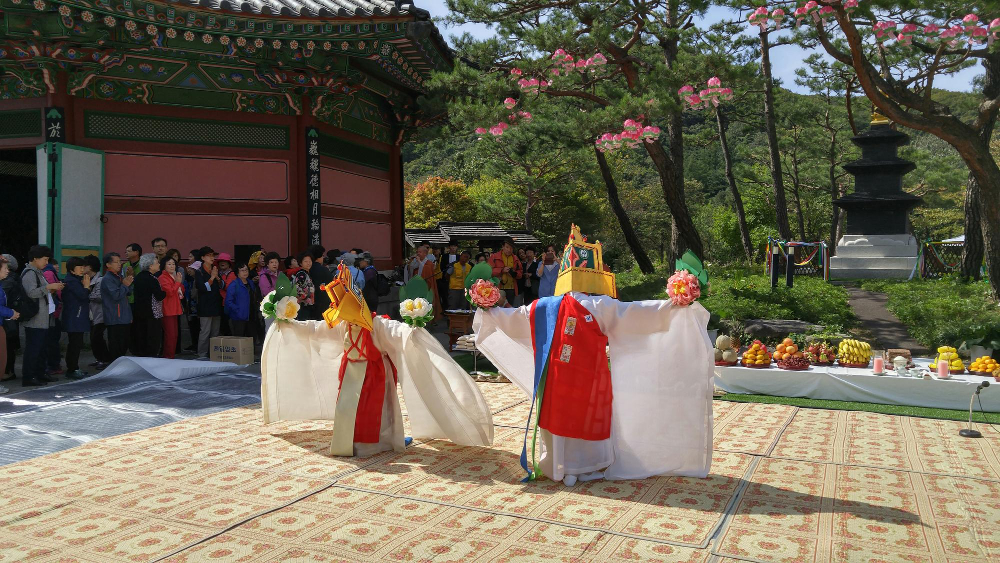
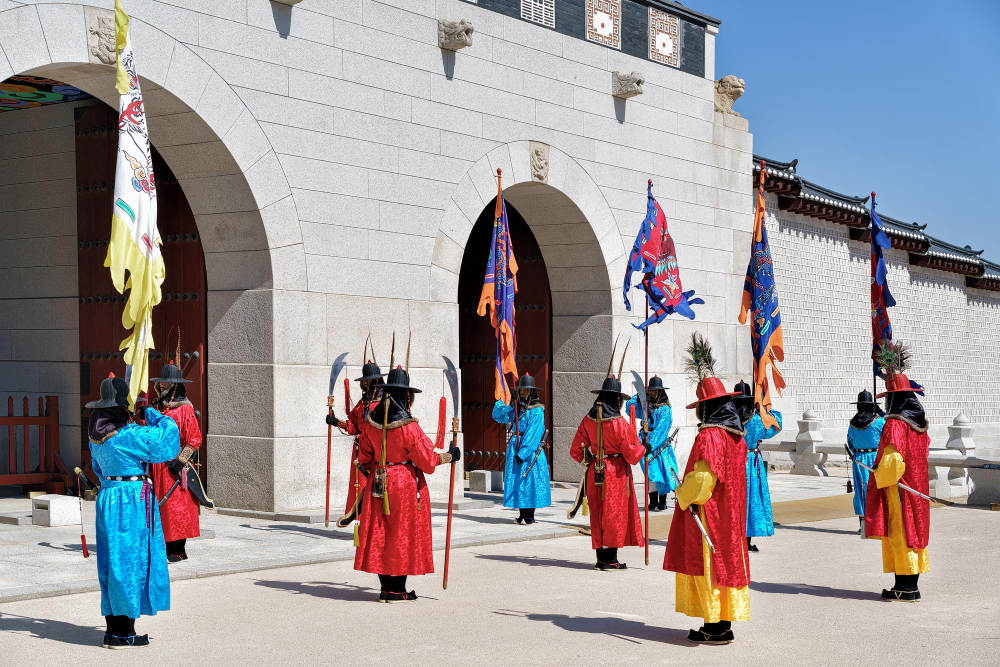
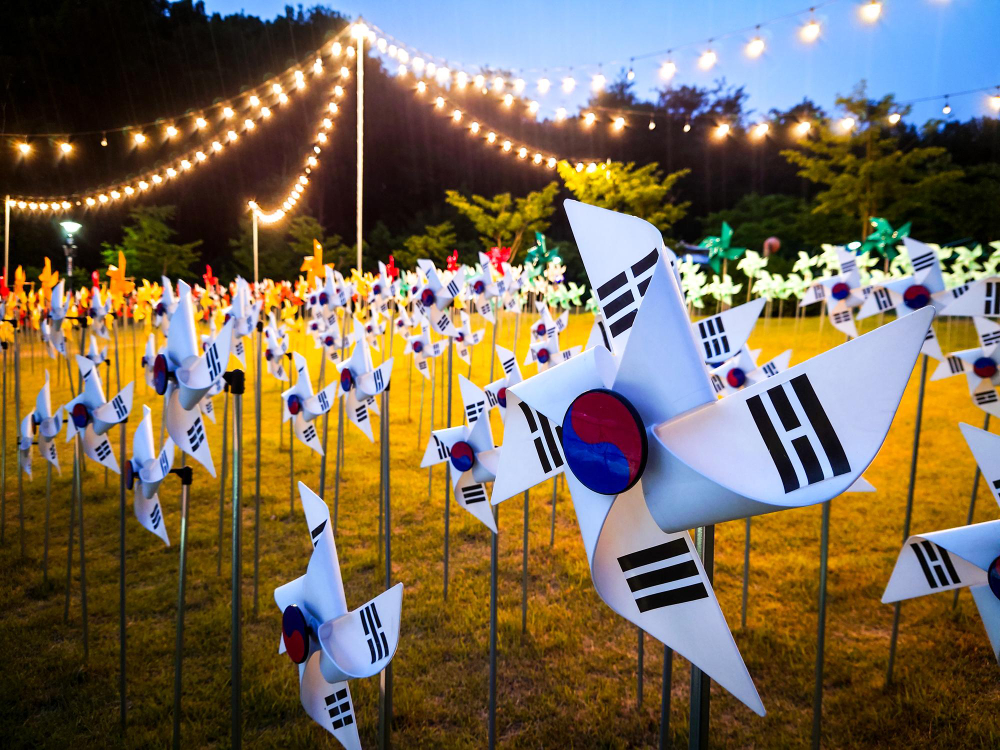
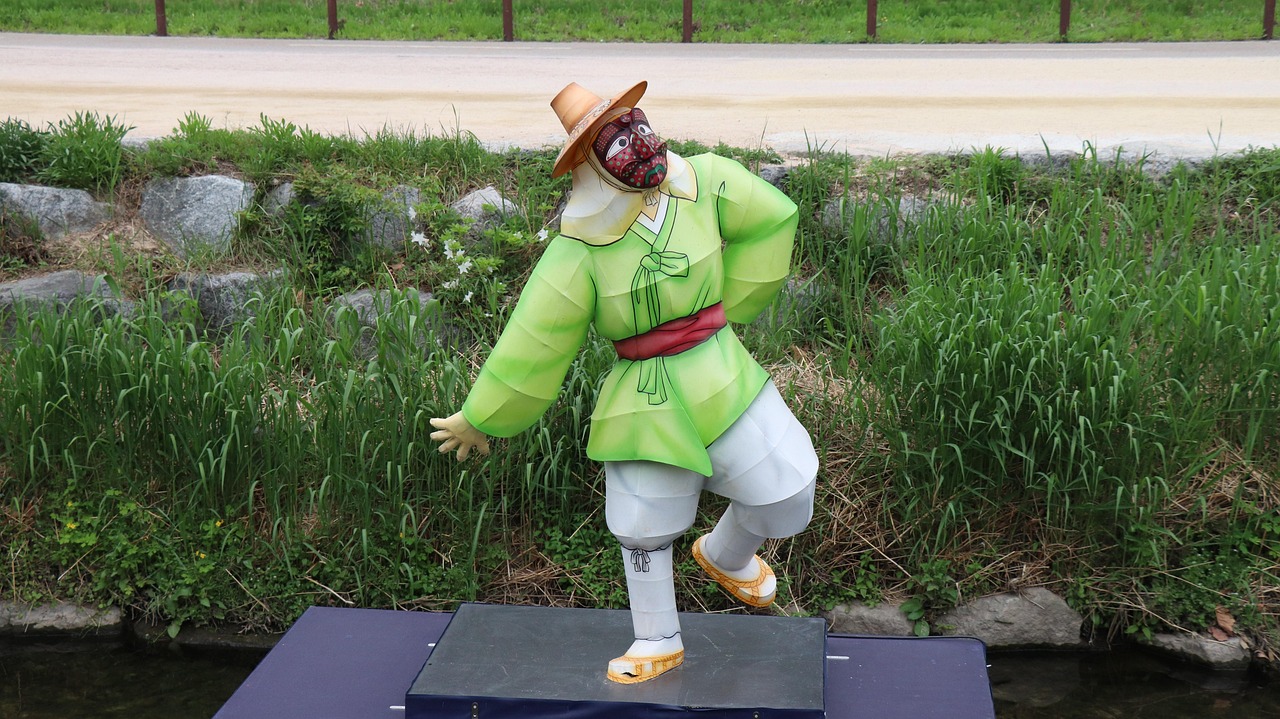
Traditional Korean festivals are deeply rooted in the nation's history and culture. These celebrations often mark seasonal changes, agricultural cycles, and important cultural events. Festivals like the Lotus Lantern Festival, Andong Mask Dance Festival, and various regional cultural festivals showcase traditional music, dance, crafts, and food. These events provide authentic experiences of Korean heritage and offer visitors the chance to participate in traditional activities.
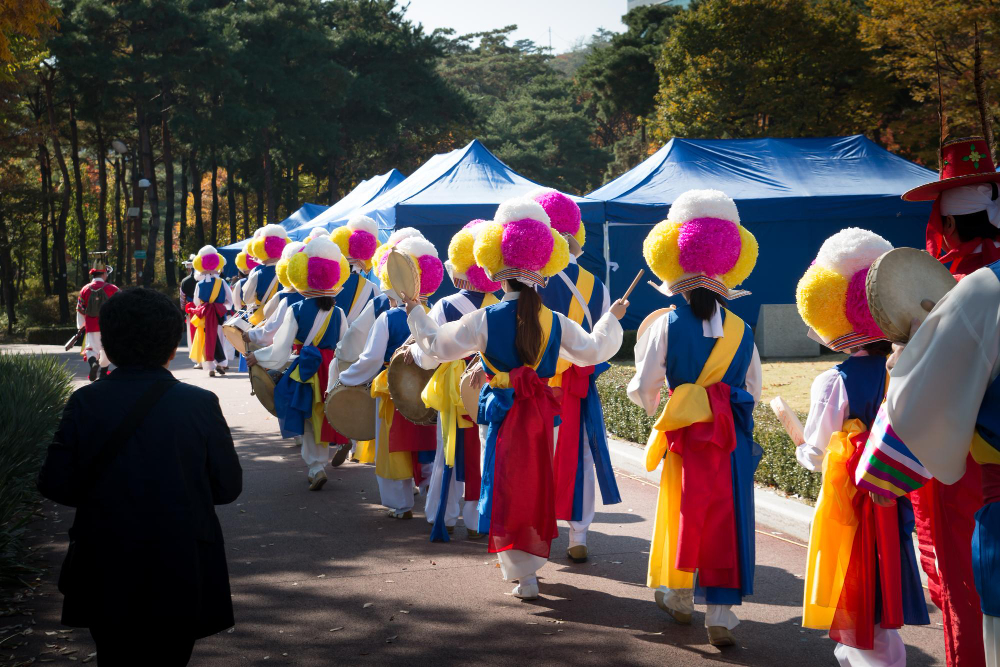
Many traditional festivals feature performances of gugak (traditional Korean music), mask dances, and other cultural arts that have been preserved for centuries. These festivals are not just entertainment but living expressions of Korean identity and cultural continuity.
Seasonal Festivals
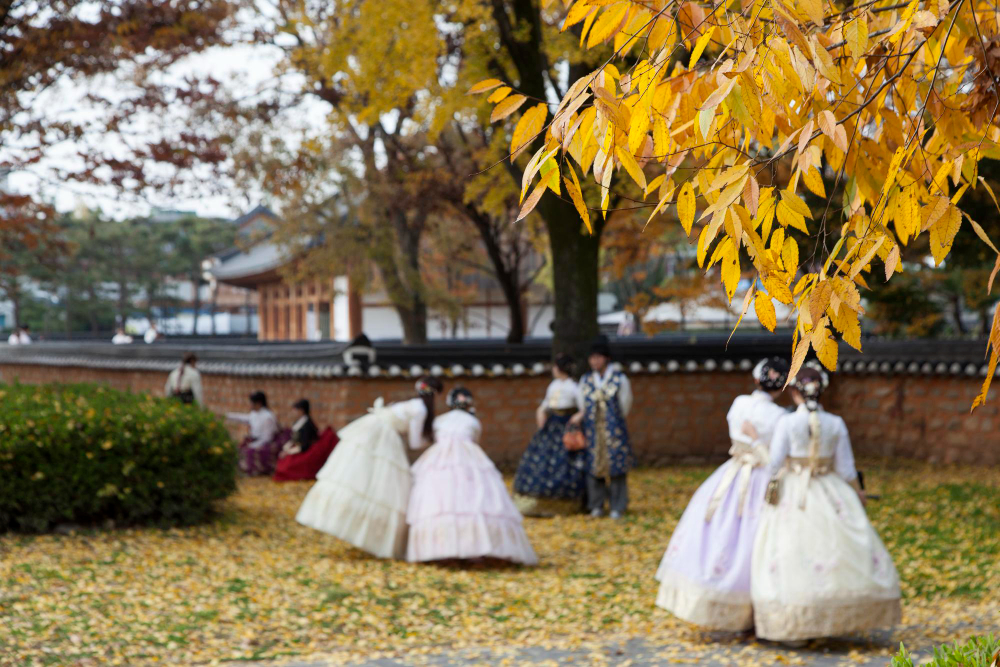
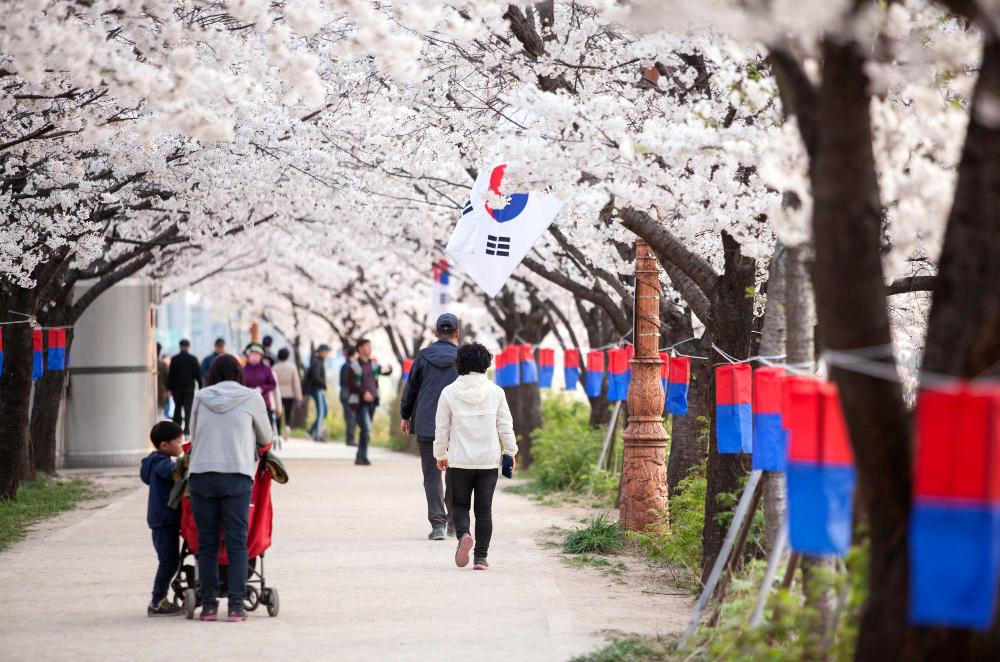
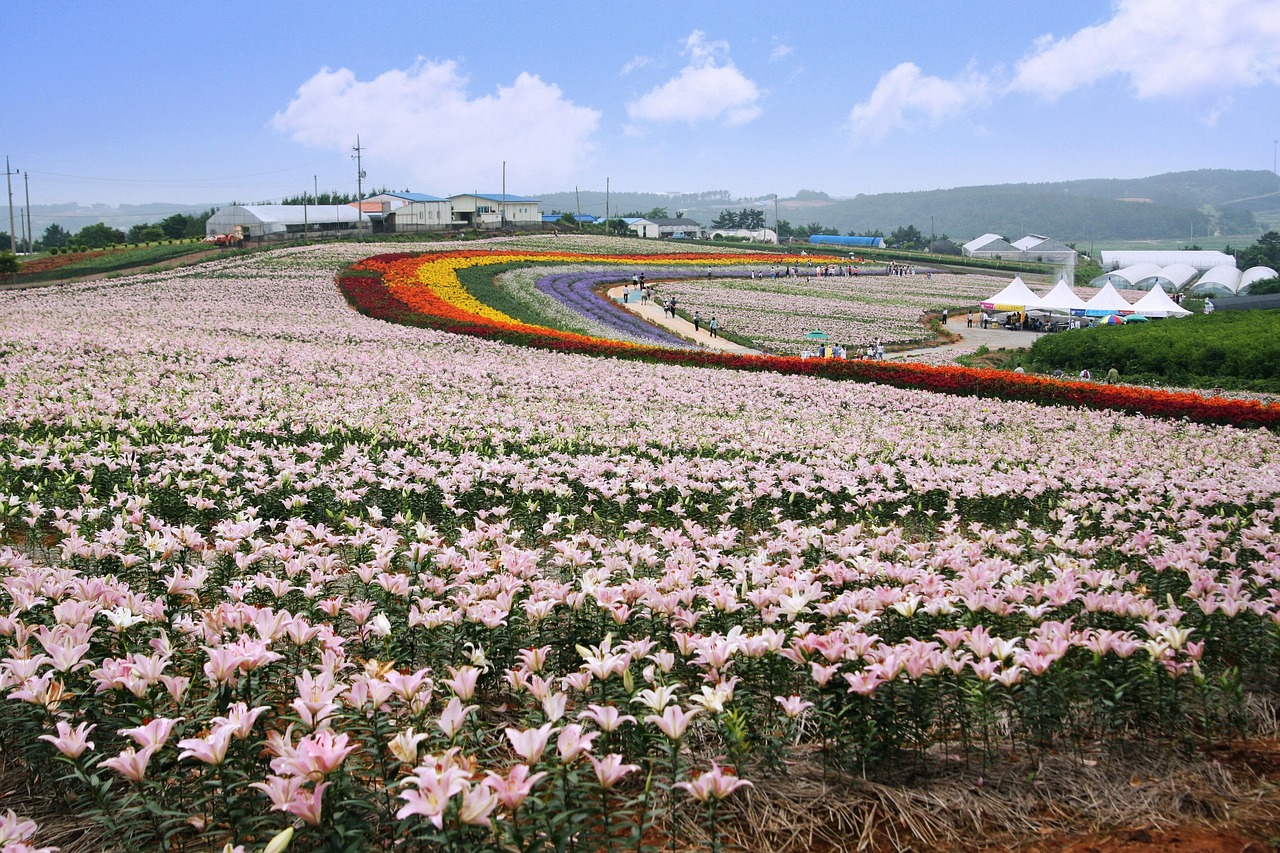
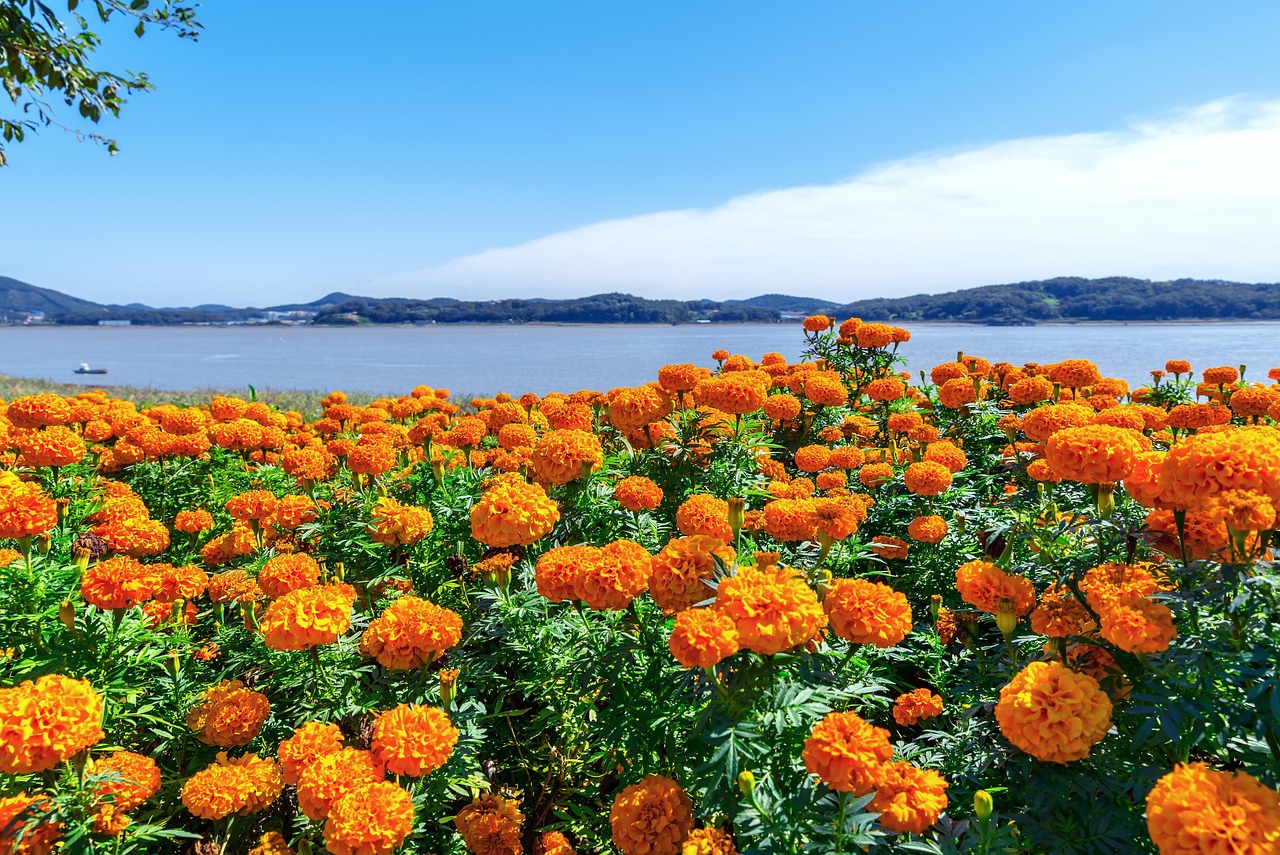
Korea's four distinct seasons are celebrated through various seasonal festivals. Spring brings cherry blossom festivals, summer features beach and water festivals, autumn celebrates harvest and foliage, and winter showcases ice and snow festivals. These seasonal celebrations highlight Korea's natural beauty and provide unique experiences throughout the year.
Modern Cultural Festivals
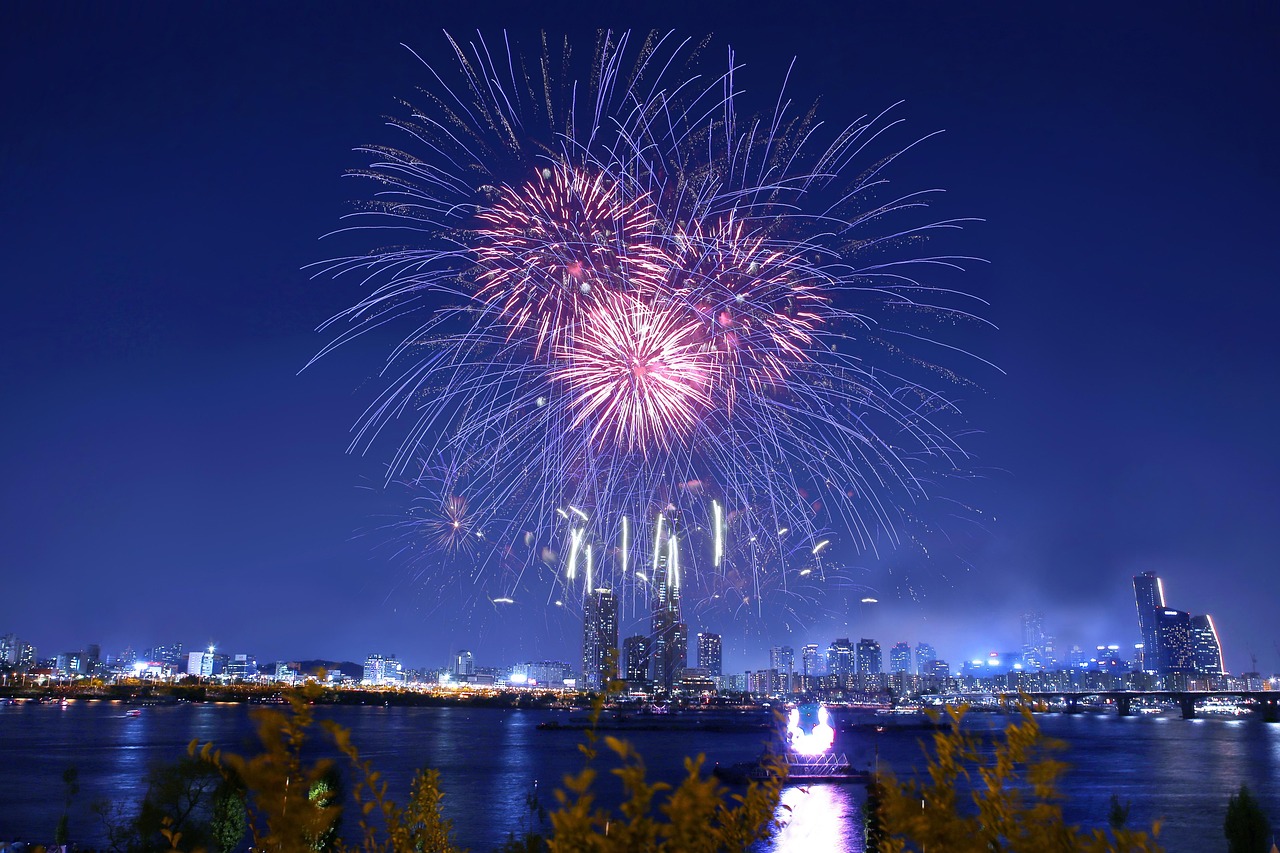
Korea is also home to world-renowned modern festivals. The Busan International Film Festival (BIFF) is one of Asia's most important film festivals, attracting filmmakers and cinephiles from around the world. Music festivals featuring K-pop, indie music, and international artists draw large crowds. These modern festivals reflect Korea's position as a cultural hub and showcase the nation's contemporary arts scene.
Food festivals, such as the Jeonju Bibimbap Festival, celebrate Korean cuisine and regional specialties. These events offer opportunities to taste authentic Korean food, learn about cooking techniques, and experience the social and cultural aspects of Korean dining.
Festival Culture in Korea
Festivals in Korea are community-centered events that bring people together to celebrate, learn, and enjoy. They often feature interactive experiences, workshops, and opportunities for visitors to participate actively rather than just observe. This participatory culture makes Korean festivals particularly engaging for international visitors.
Whether traditional or modern, seasonal or cultural, Korean festivals offer rich experiences that combine entertainment, education, and cultural immersion. Participating in these festivals provides deep insights into Korean culture, values, and contemporary life, making them an essential part of any cultural journey through Korea.