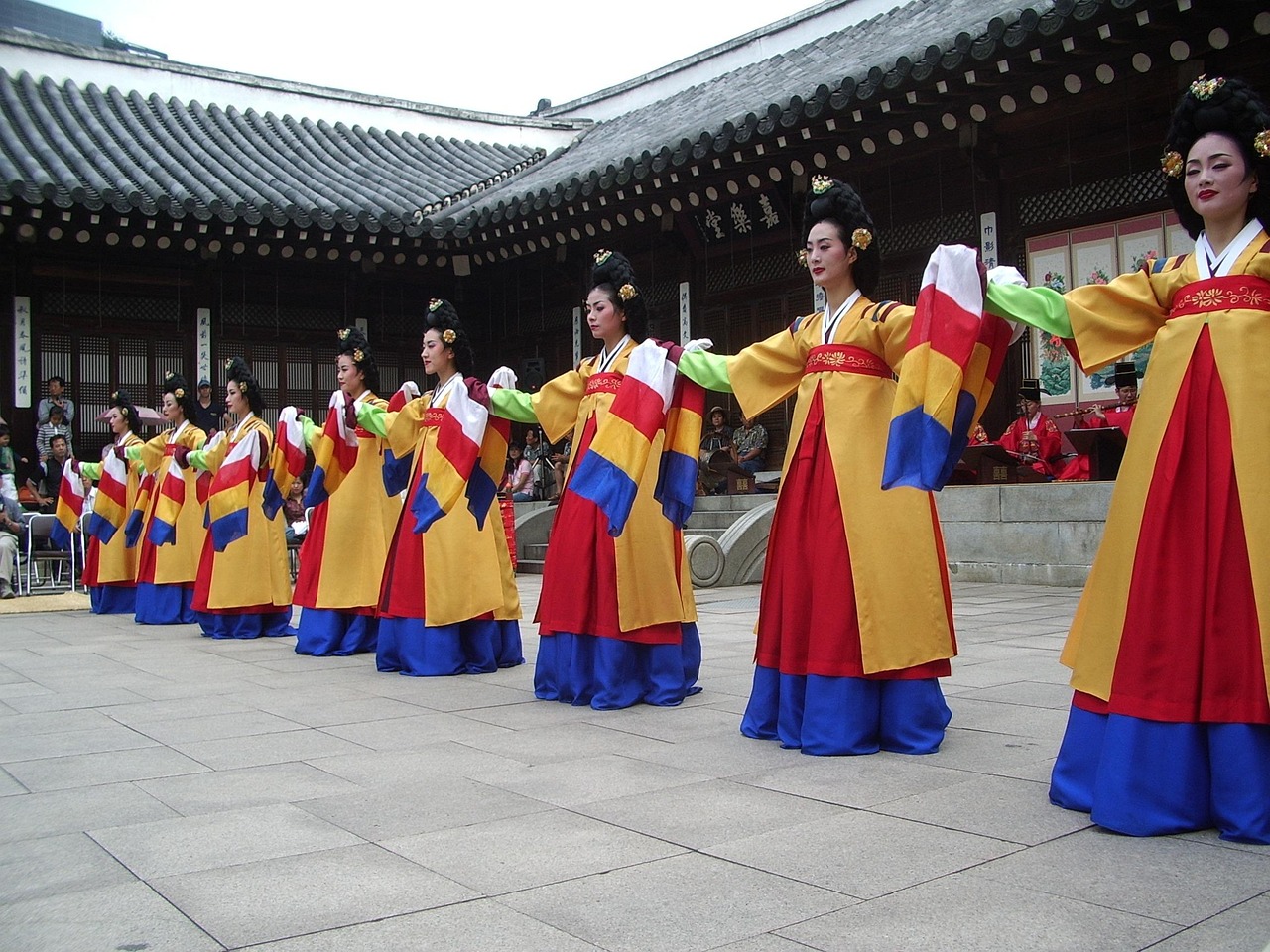
Gugak (국악), meaning "national music," is Korea's traditional music that has been passed down through generations for over a thousand years. This rich musical tradition encompasses various forms including court music, folk music, and ritual music, each with unique instruments, vocal styles, and cultural significance. Gugak represents the soul of Korean culture and offers profound insights into the nation's history and artistic expression.


Traditional Korean Instruments
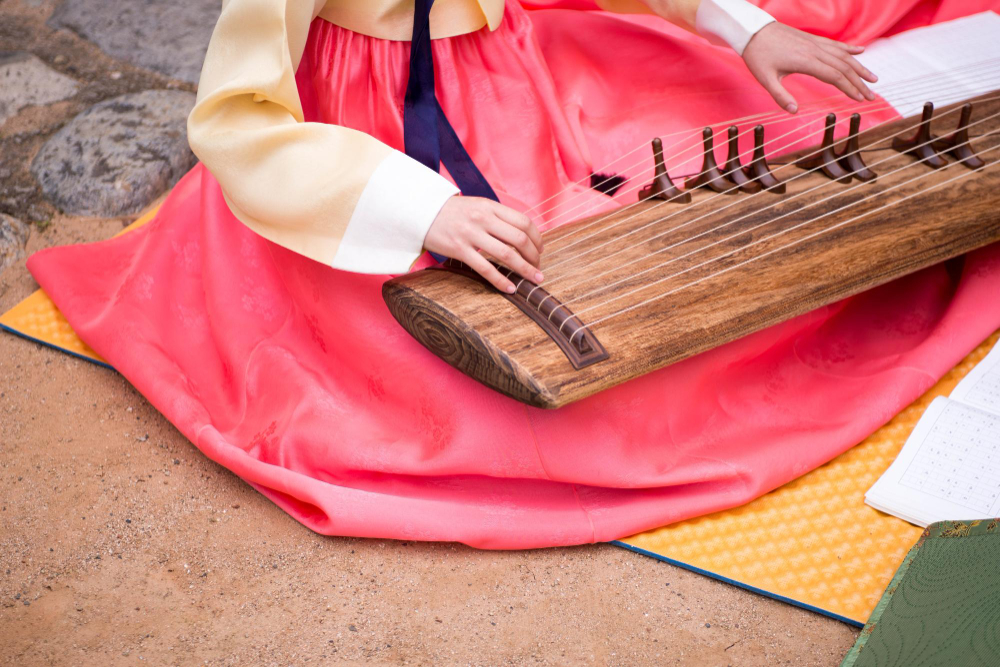
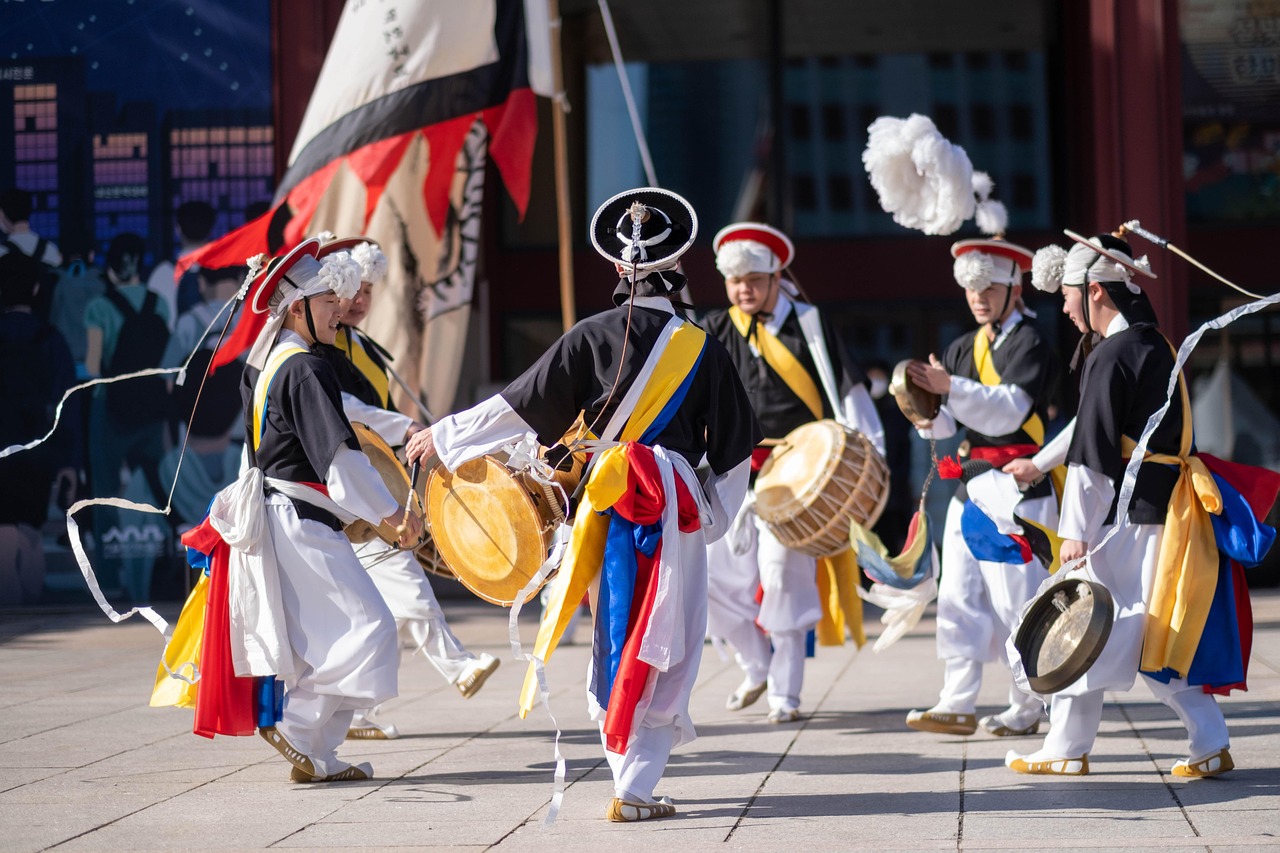
Gugak features unique traditional instruments that create distinctive sounds. The gayageum (12-string zither), geomungo (6-string zither), and ajaeng (bowed zither) are string instruments that produce melodic and rhythmic patterns. Wind instruments like the daegeum (large bamboo flute) and piri (double-reed instrument) add expressive tones. Percussion instruments such as janggu (hourglass drum) and buk (barrel drum) provide rhythm and energy to performances.
Each instrument has its own history and technique, and learning about them provides insight into Korean musical philosophy and aesthetics. Many gugak centers and cultural institutions offer workshops where visitors can try playing these traditional instruments.
Pansori: UNESCO Intangible Cultural Heritage
Pansori is a form of traditional Korean narrative singing that was designated as a UNESCO Masterpiece of the Oral and Intangible Heritage of Humanity. This unique art form combines singing, storytelling, and dramatic expression, with a single singer (sorikkun) performing long epic stories accompanied by a drummer (gosu). Pansori performances can last several hours and require exceptional vocal technique and emotional expression.
Court Music and Folk Music
Gugak includes both court music (jeongak), which was performed for royalty and aristocracy, and folk music (minsogak), which was enjoyed by common people. Court music is characterized by its refined, slow tempo and formal structure, while folk music is more lively and expressive, often accompanying dances and celebrations. Both forms reflect different aspects of Korean society and culture.
The diversity within gugak showcases the richness of Korean musical tradition. From the solemnity of court music to the energy of folk music, gugak encompasses a wide range of emotions and expressions that reflect Korean culture and values.

Gugak in Modern Korea
Today, gugak continues to thrive in Korea, with dedicated performance venues, educational institutions, and active preservation efforts. Modern gugak artists are finding new ways to present traditional music, sometimes blending it with contemporary elements while maintaining its essential character. The National Gugak Center in Seoul is a major institution dedicated to preserving, performing, and promoting traditional Korean music.
Experiencing gugak provides a deep connection to Korean culture and history. Whether through live performances, workshops, or museum visits, engaging with gugak offers visitors a unique opportunity to understand the musical soul of Korea and its continuing relevance in contemporary Korean society.