Korea boasts a rich and diverse historical heritage spanning over 5,000 years, with numerous historical sites, monuments, and cultural landmarks that tell the stories of dynasties, famous figures, and significant events. From ancient royal palaces and tombs to monuments dedicated to historical figures, these sites provide profound insights into Korea's past and cultural identity.
Royal Palaces and Tombs
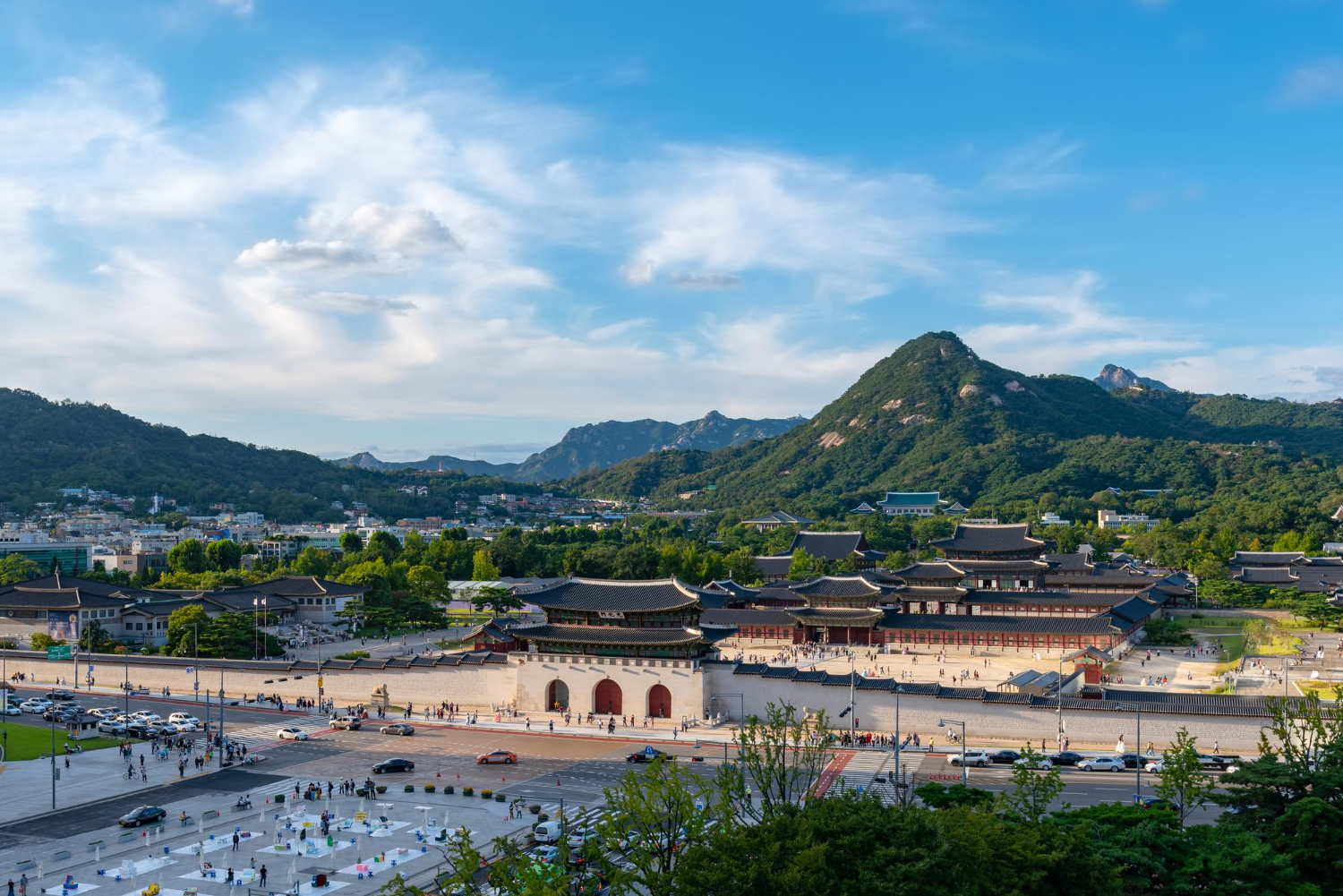
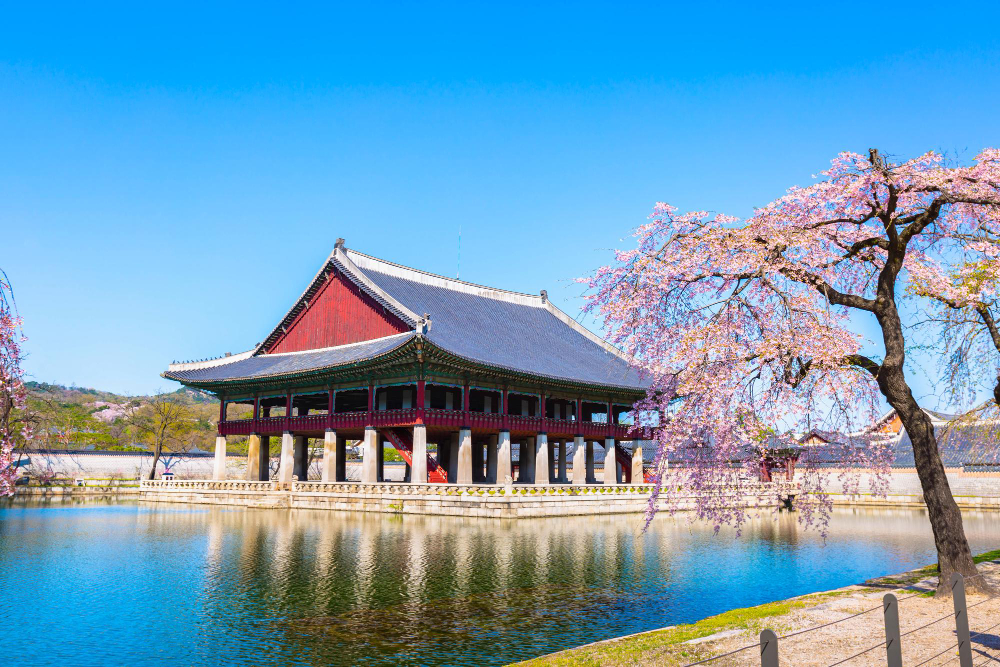
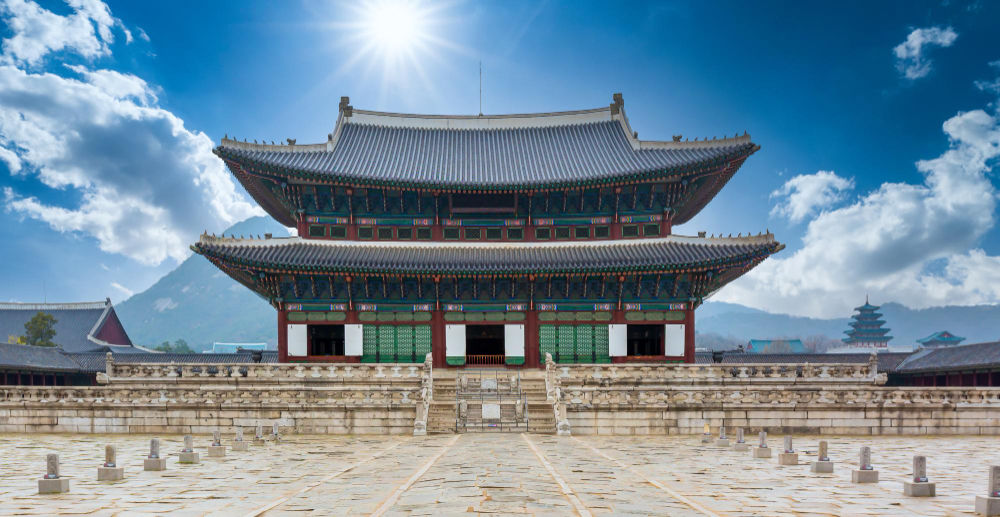
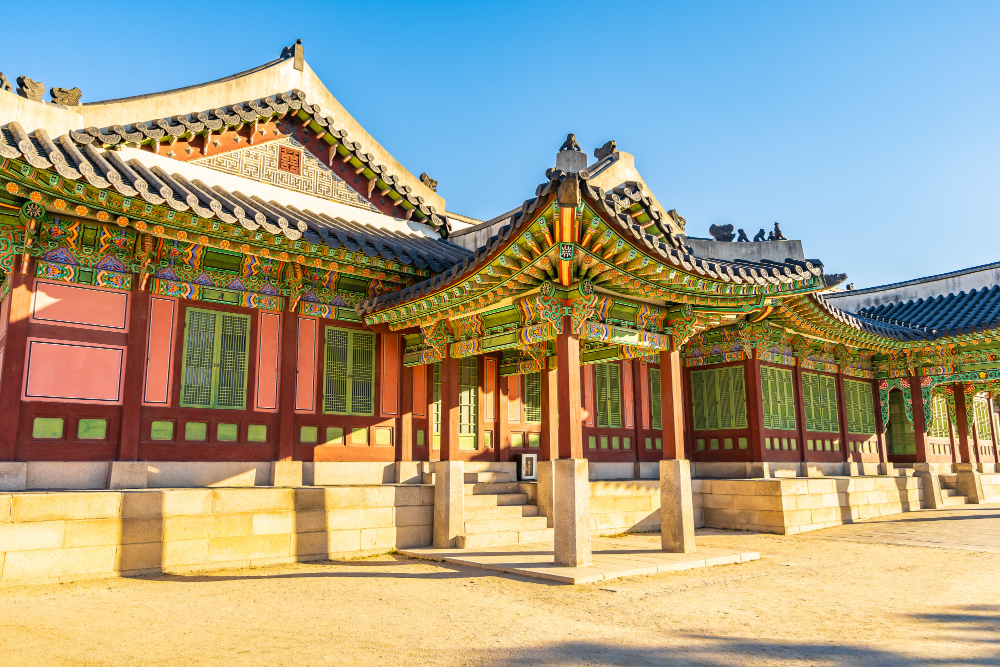
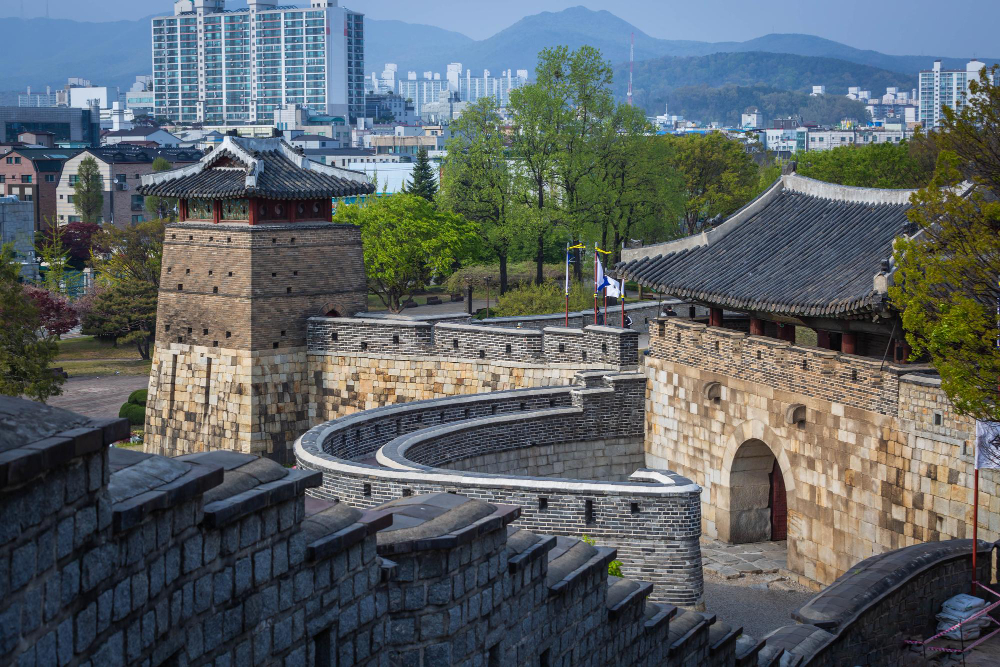
Korea's royal palaces, particularly those in Seoul, represent the grandeur of the Joseon Dynasty (1392-1910). Gyeongbokgung, Changdeokgung, Deoksugung, and Gyeonghuigung are among the most significant palaces, each with unique architectural features and historical importance. These palaces served as centers of political power and cultural life, housing kings, queens, and royal families for over 500 years.
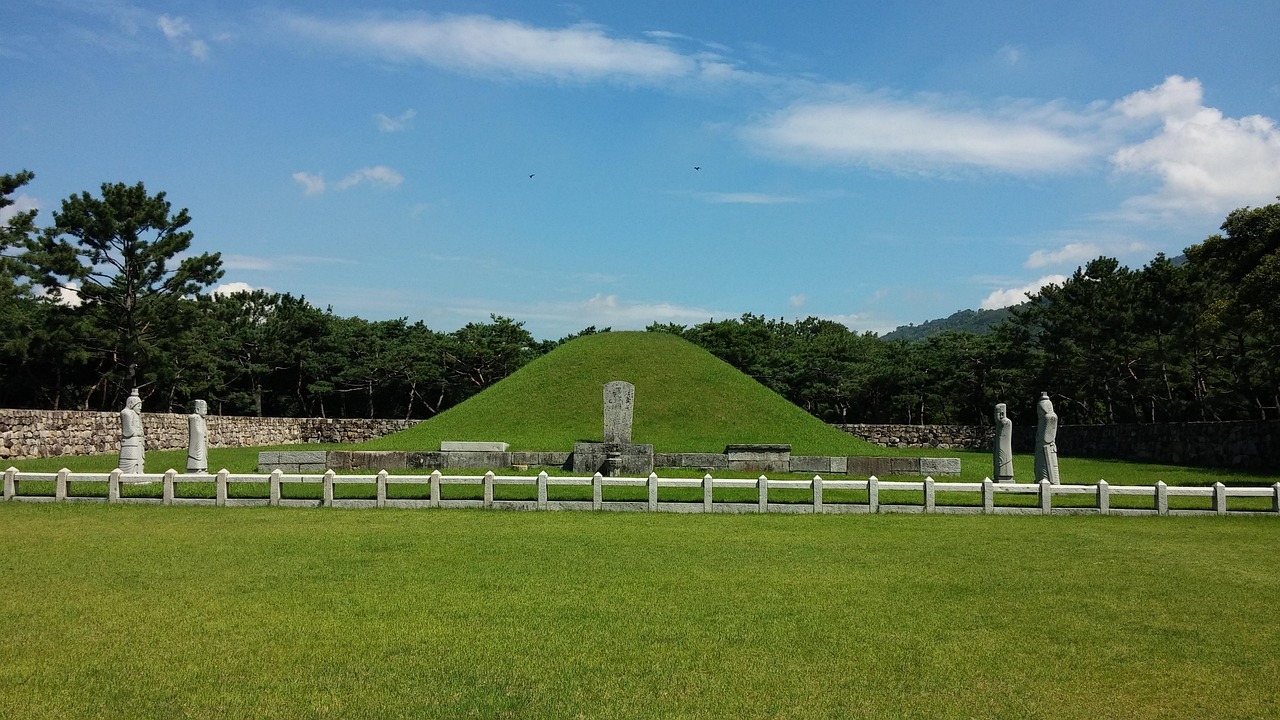
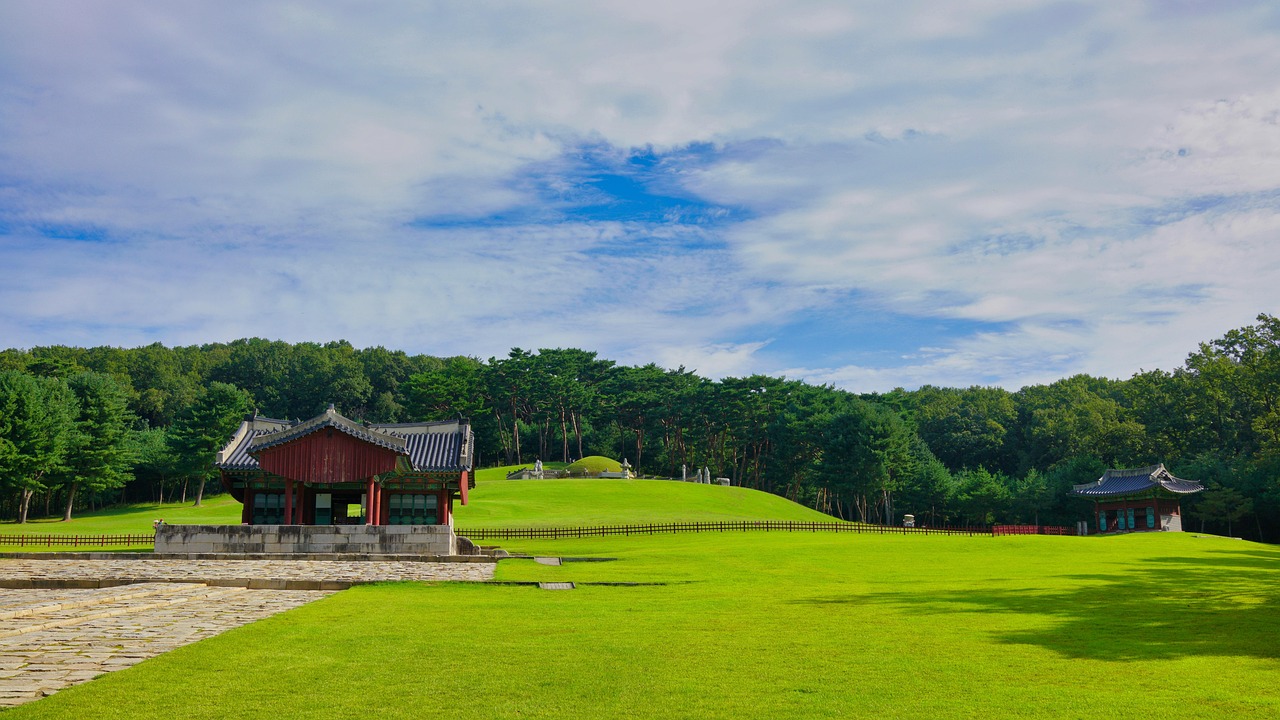
The Royal Tombs of the Joseon Dynasty, a UNESCO World Heritage site, consist of 40 tombs located throughout Korea. These tombs are masterpieces of Korean architecture and landscape design, carefully selected according to geomantic principles. They honor the memory of Joseon kings and queens and preserve the dynasty's cultural and historical legacy. The tombs demonstrate the sophisticated burial culture and respect for ancestors that characterized Korean society.
Monuments to Historical Figures
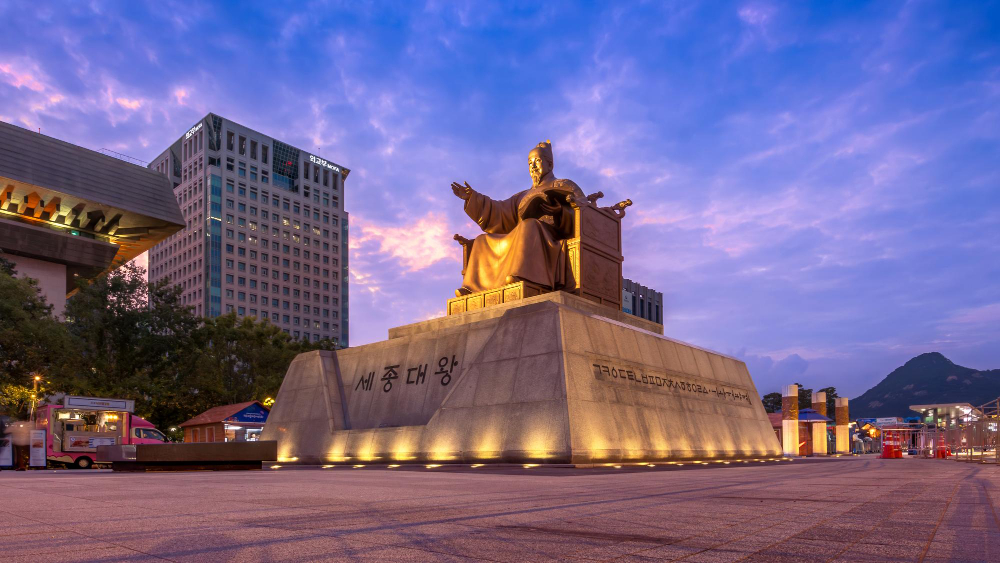
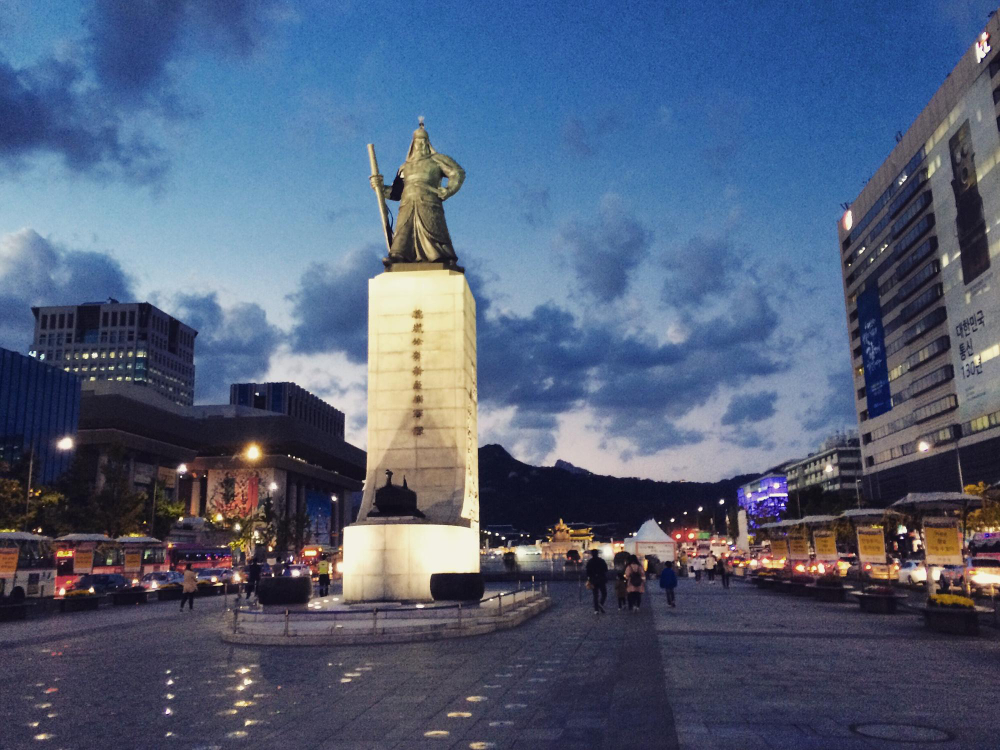
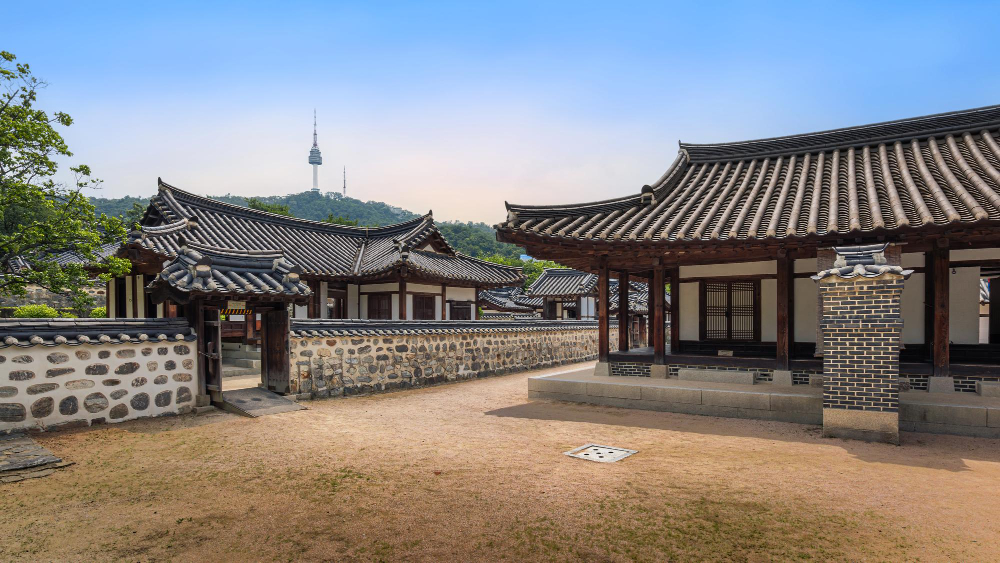
Throughout Korea, numerous monuments and memorials honor famous historical figures who shaped Korean history and culture. These include statues and memorials dedicated to kings like Sejong the Great, who created the Korean alphabet (Hangul), and Admiral Yi Sun-sin, who defended Korea against foreign invasions. Scholars, artists, and independence fighters are also commemorated at various sites across the country.
Historical sites associated with famous figures provide opportunities to learn about their contributions and the historical contexts in which they lived. Birthplaces, residences, and memorial halls preserve the legacies of important Koreans, offering insights into their lives, achievements, and impact on Korean society. These sites connect visitors to the human stories behind Korean history.
Ancient Capitals and Heritage Sites
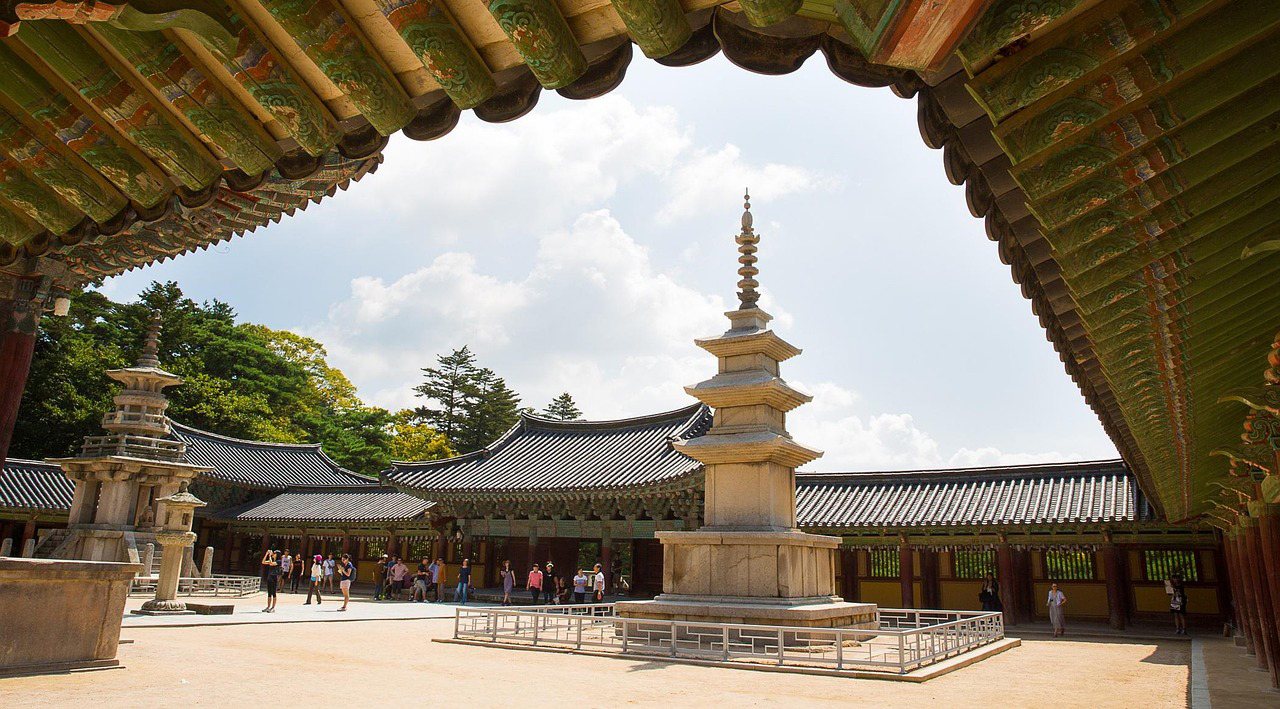
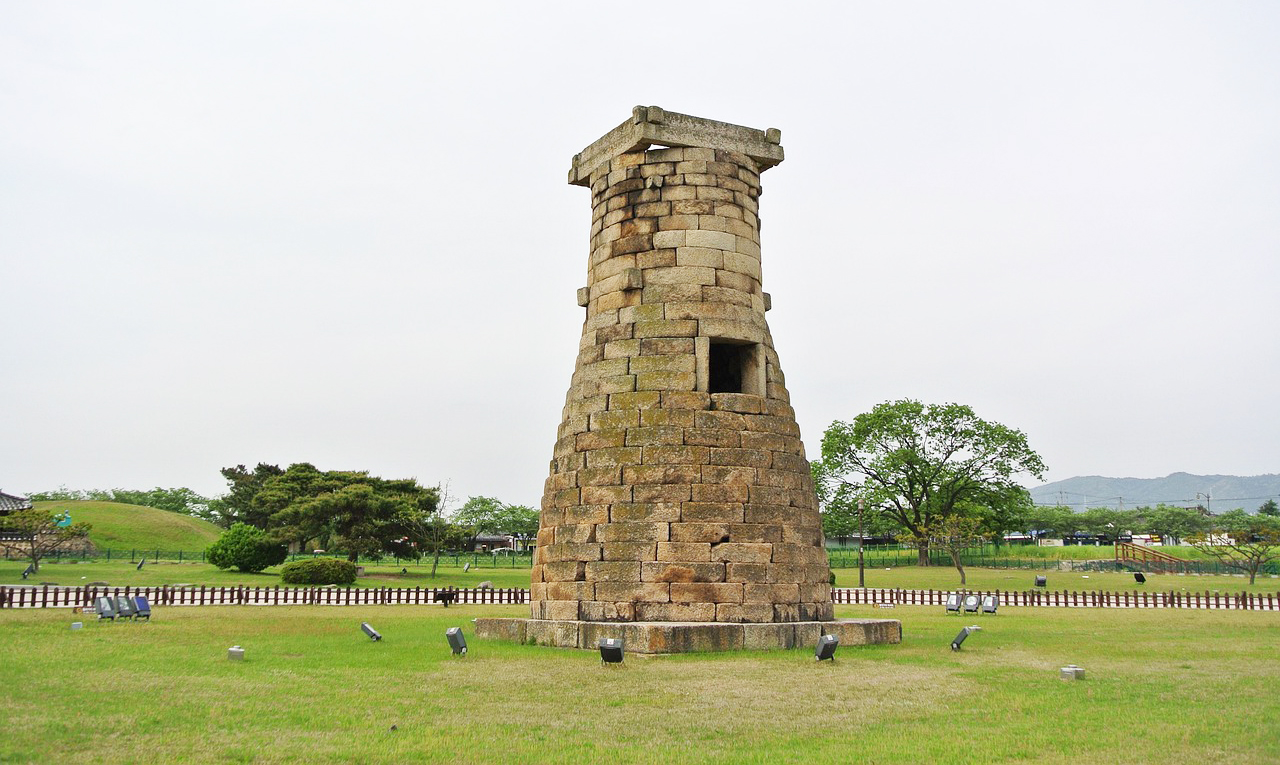
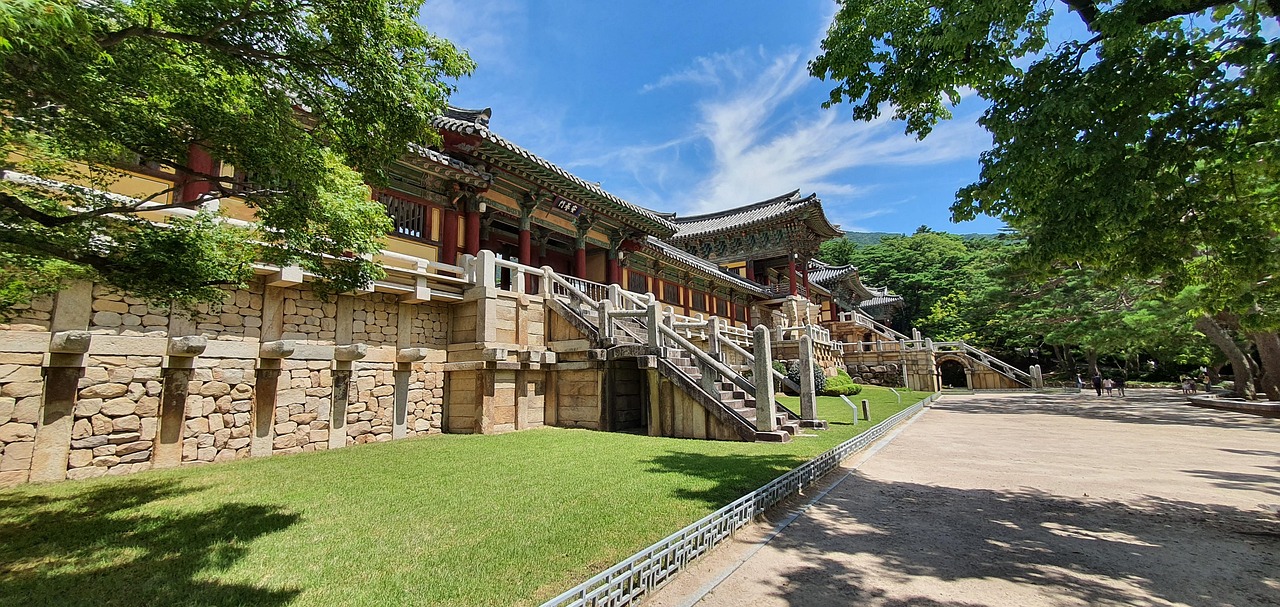
Gyeongju, the ancient capital of the Silla Dynasty (57 BC-935 AD), is often called "the museum without walls" due to its numerous historical sites and artifacts. The city contains royal tombs, ancient temples, observatories, and fortresses that showcase the glory of the Silla Kingdom. Bulguksa Temple and Seokguram Grotto, both UNESCO World Heritage sites, represent the pinnacle of Silla Buddhist art and architecture.
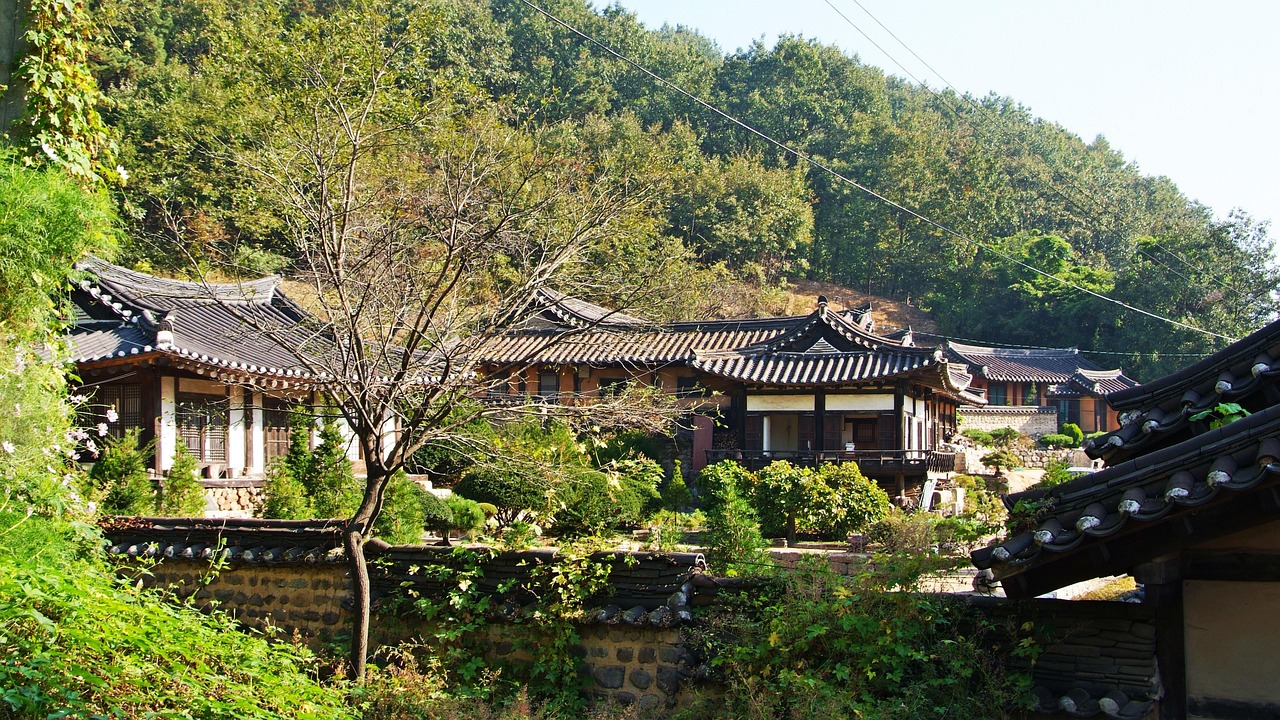
Other significant historical sites include the Historic Villages of Korea (Hahoe and Yangdong), which preserve traditional Korean village architecture and lifestyle, and various Confucian academies (seowon) that served as centers of learning and scholarship. These sites demonstrate different aspects of Korean historical and cultural development across various dynasties and periods.
Understanding Korean History Through Sites
Visiting historical sites and monuments provides more than just sightseeing—it offers deep understanding of Korean history, culture, and identity. These sites tell the stories of dynasties, wars, cultural achievements, and social changes that shaped Korea. They preserve the physical evidence of Korea's past and connect visitors to the historical narratives that continue to influence Korean society today.
Historical sites serve as educational resources that bring history to life, making abstract historical events and figures tangible and relatable. Through guided tours, museum exhibitions, and cultural programs, visitors can gain comprehensive understanding of Korean history, from ancient kingdoms to modern times. These experiences create meaningful connections to Korea's heritage and contribute to appreciation of its cultural legacy.