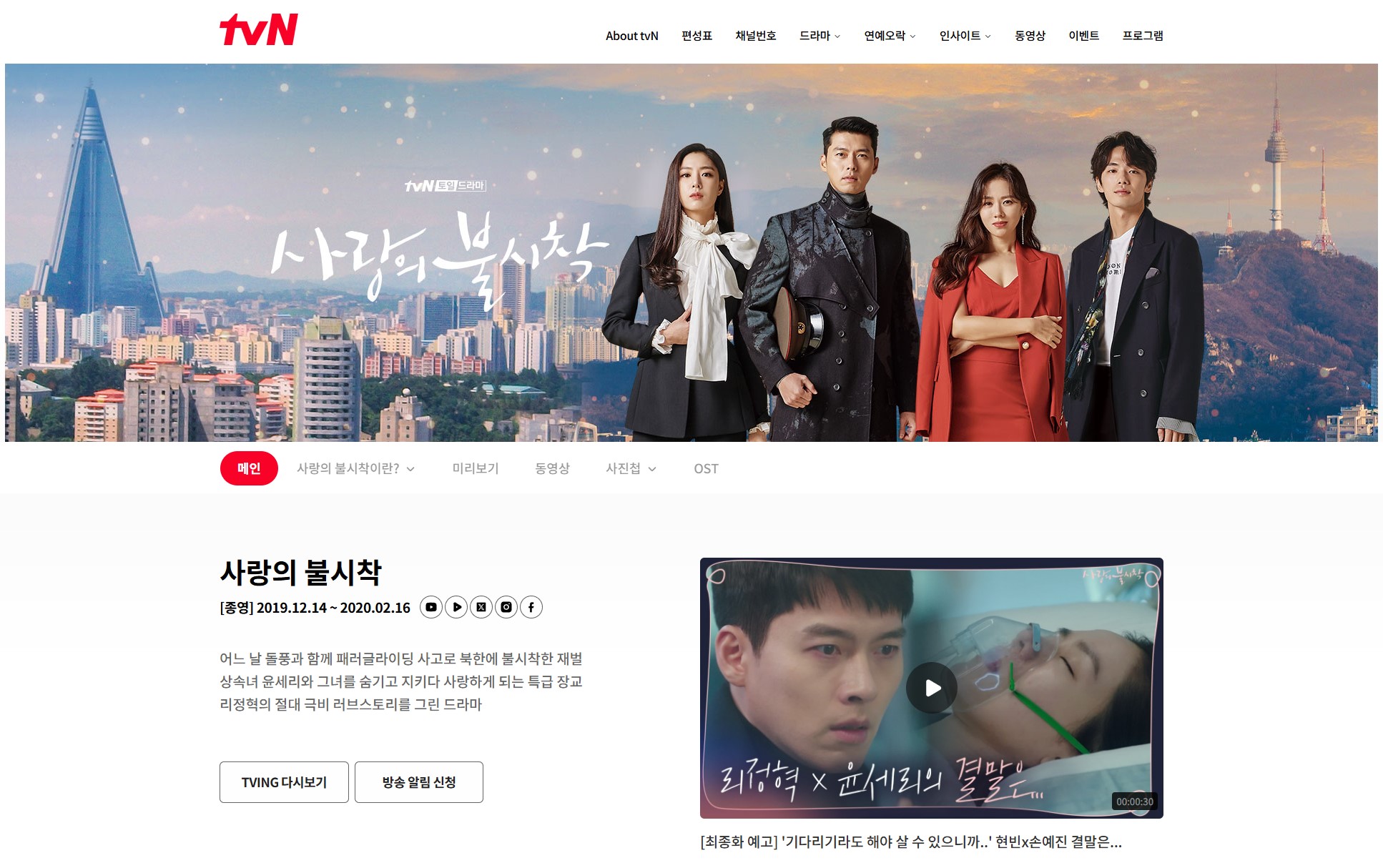



Korean dramas, or K-dramas, have become a global cultural phenomenon, captivating audiences worldwide with their compelling storytelling, high production values, and unique cultural perspectives. From romantic comedies to historical epics, K-dramas offer diverse genres that showcase Korean culture, traditions, and modern life, making them a powerful tool for cultural tourism and understanding.
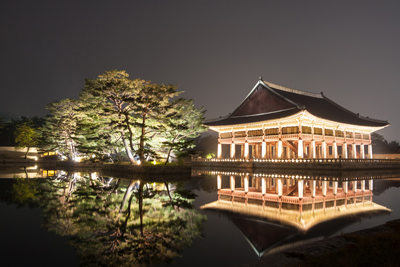
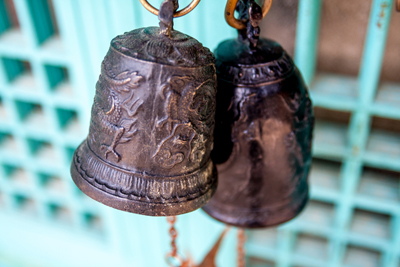

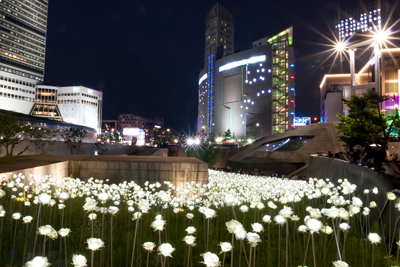
The Rise of K-Dramas
K-dramas gained international recognition in the early 2000s, with shows like "Winter Sonata" and "Dae Jang Geum" (Jewel in the Palace) becoming massive hits across Asia. The Hallyu (Korean Wave) phenomenon expanded globally, with streaming platforms making K-dramas accessible to audiences worldwide. Today, K-dramas are watched by millions globally, influencing fashion, tourism, and cultural exchange.
The success of K-dramas is built on quality production, engaging narratives, and relatable characters. Korean production companies invest heavily in writing, cinematography, and acting, creating content that resonates across cultural boundaries. The diverse genres—from romantic comedies to thrillers, historical dramas to fantasy—ensure there's something for every viewer.

K-Drama Tourism
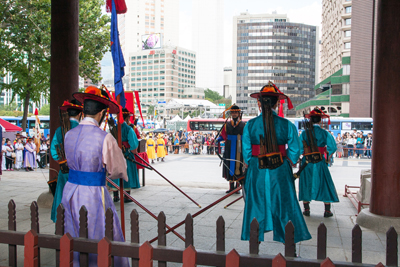
K-drama tourism has become a significant part of Korean tourism, with fans visiting filming locations, drama museums, and entertainment company buildings. Iconic locations like Nami Island (from "Winter Sonata"), Petite France, and various hanok villages have become popular tourist destinations thanks to their appearances in dramas. This cultural tourism allows fans to experience the settings they've seen on screen and connect more deeply with Korean culture.
Many cities and regions in Korea actively promote their drama filming locations, creating themed tours and experiences. From Seoul's modern districts to historic sites in Gyeongju and scenic locations in Jeju, K-drama tourism showcases Korea's diverse landscapes and cultural heritage.
Cultural Impact of K-Dramas
K-dramas serve as cultural ambassadors, introducing international audiences to Korean traditions, food, language, and social customs. Viewers learn about Korean family values, business culture, and daily life through these narratives. The dramas often feature traditional elements like hanbok, traditional food, and historical settings, sparking interest in Korean culture and history.
The influence extends beyond entertainment, affecting fashion trends, beauty standards, and even language learning. Many international fans study Korean to better understand their favorite dramas, and K-drama-inspired fashion and beauty products have gained global popularity.


Experiencing K-Drama Culture in Korea
Visiting Korea offers K-drama fans unique opportunities to experience the culture firsthand. From touring filming locations and visiting drama museums to attending live tapings and meeting actors, there are numerous ways to engage with K-drama culture. Entertainment districts in Seoul, drama-themed cafes, and specialized tours provide immersive experiences for fans.
K-drama tours combine entertainment with cultural education, allowing visitors to explore Korean history, traditions, and modern life through the lens of their favorite shows. Whether visiting iconic locations, learning about drama production, or experiencing Korean culture that appears in dramas, these tours offer memorable experiences that deepen appreciation for both K-dramas and Korean culture.

