The Korean War (1950-1953) was a pivotal moment in Korean history that shaped the nation's modern identity and continues to influence Korean society today. Understanding this conflict and its aftermath is essential for comprehending contemporary Korea, the division of the peninsula, and the ongoing quest for peace and reunification.
The Korean War: A Nation Divided
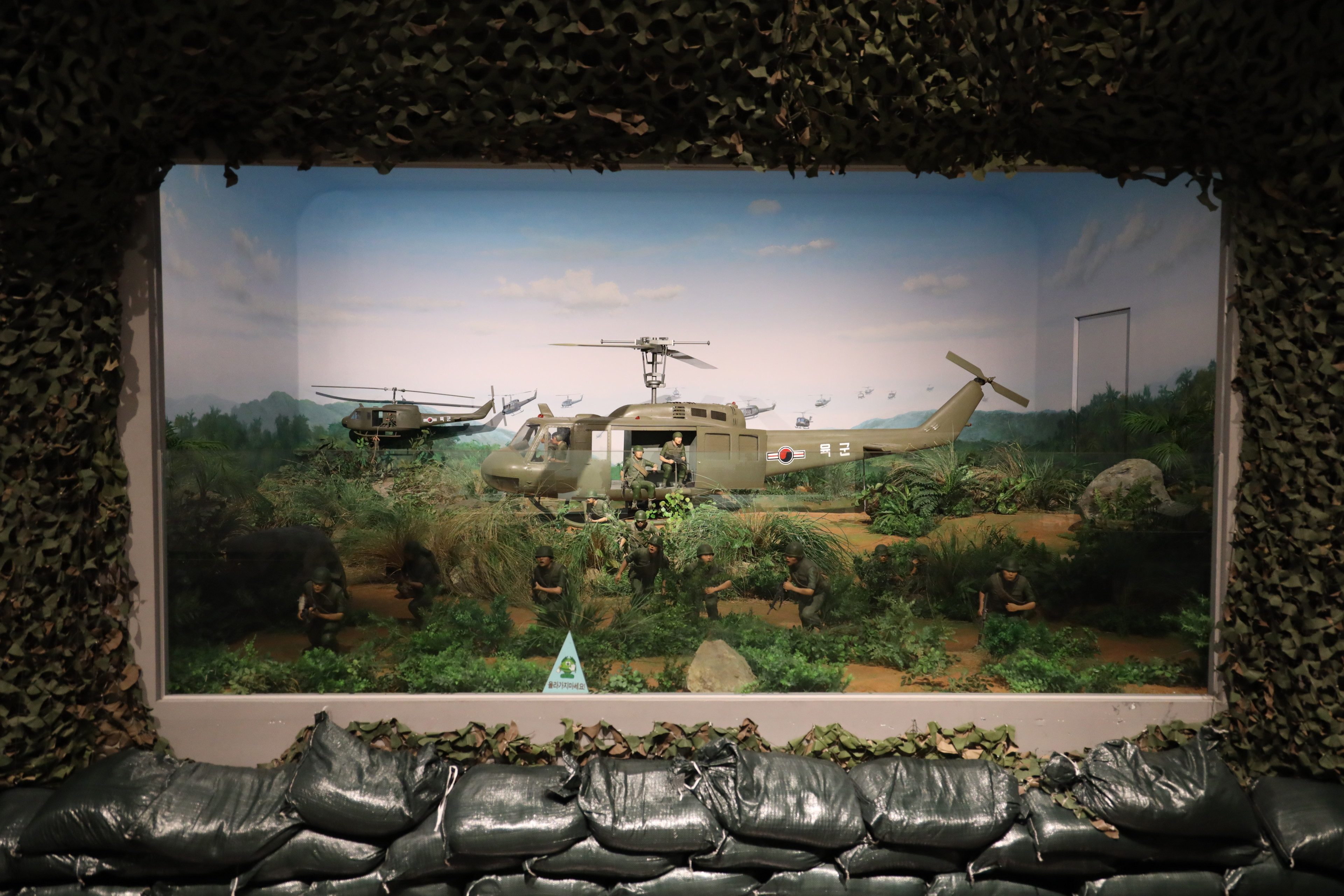
The Korean War began on June 25, 1950, when North Korean forces crossed the 38th parallel into South Korea. The conflict lasted three years and involved multiple nations, with the United Nations supporting South Korea and China supporting North Korea. The war resulted in millions of casualties and left the Korean Peninsula divided along the Demilitarized Zone (DMZ), a division that persists today.
The war's impact on Korean society was profound, affecting every aspect of life from family structures to economic development. The conflict created millions of refugees, separated families, and left deep scars that continue to influence Korean identity and the nation's relationship with its neighbors and the international community.
The DMZ: Symbol of Division and Hope
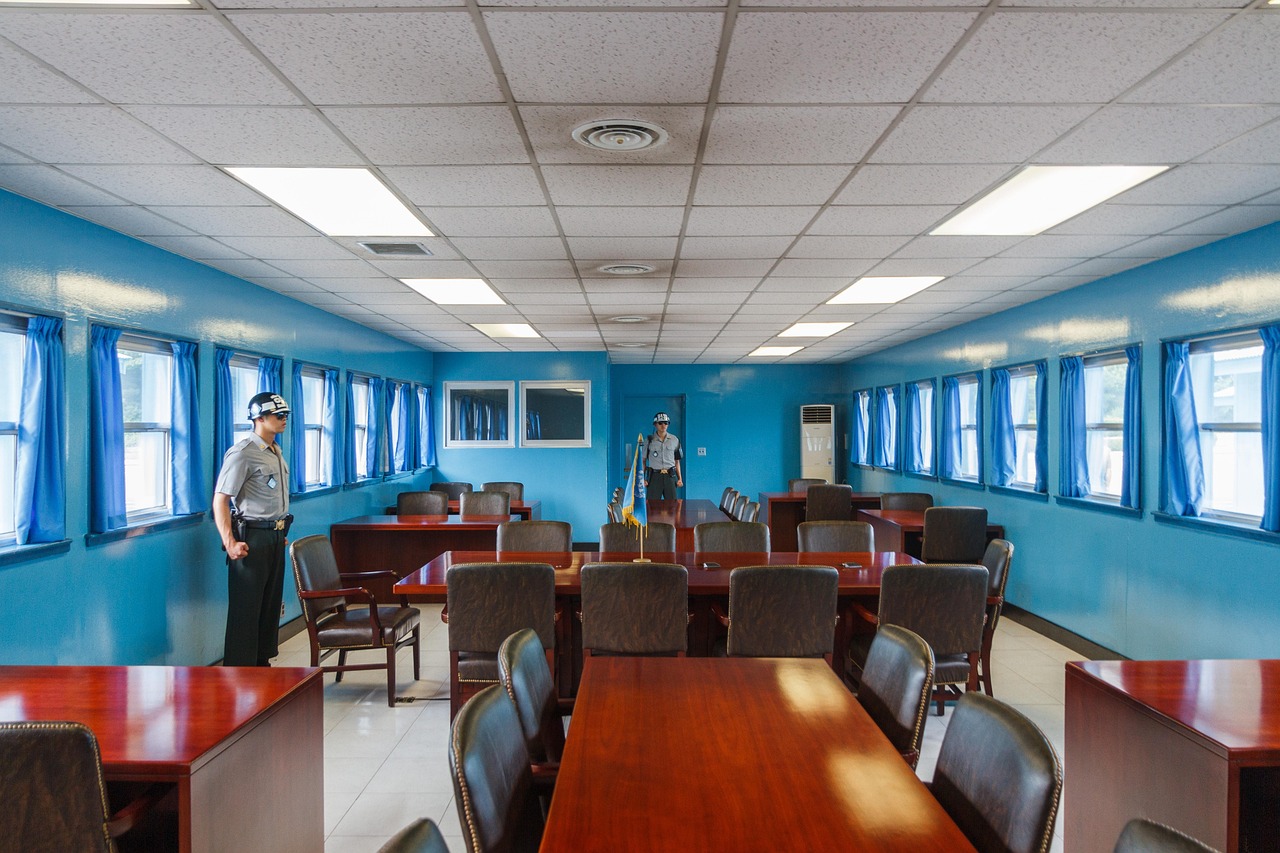
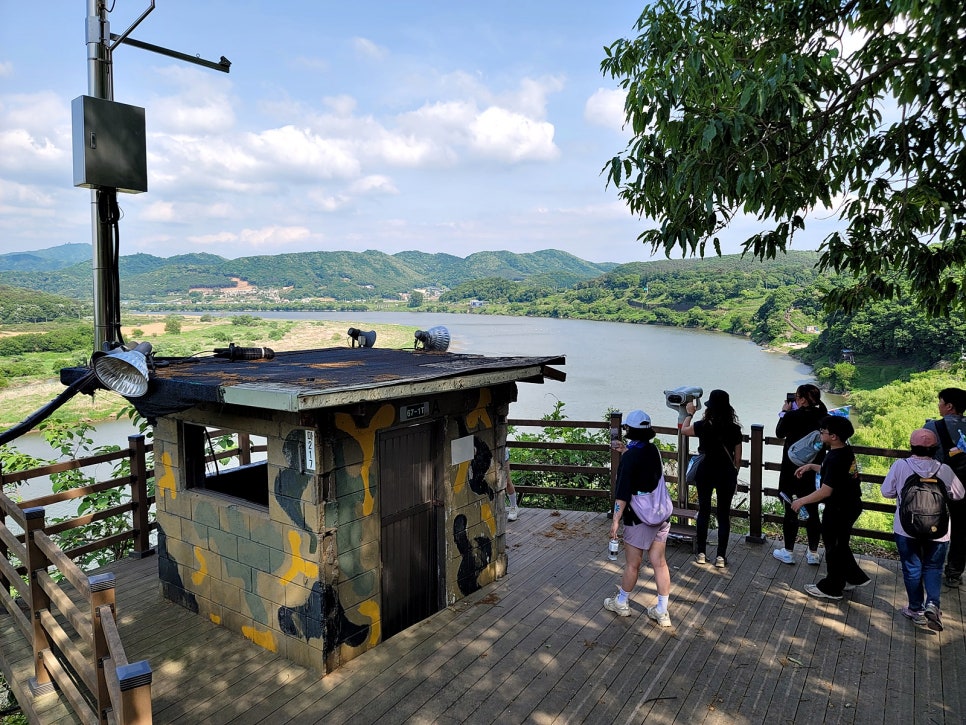
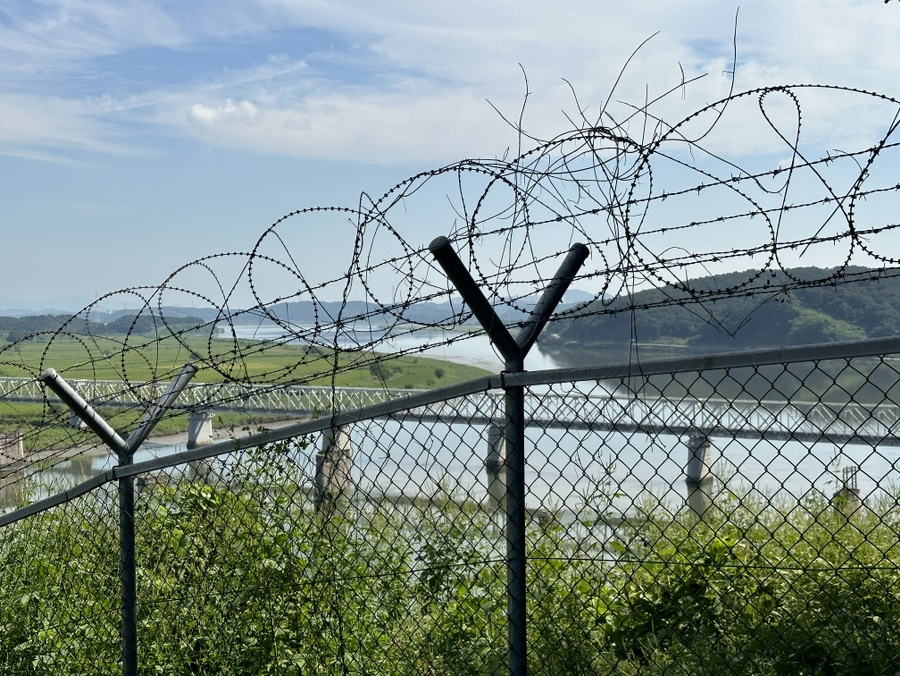
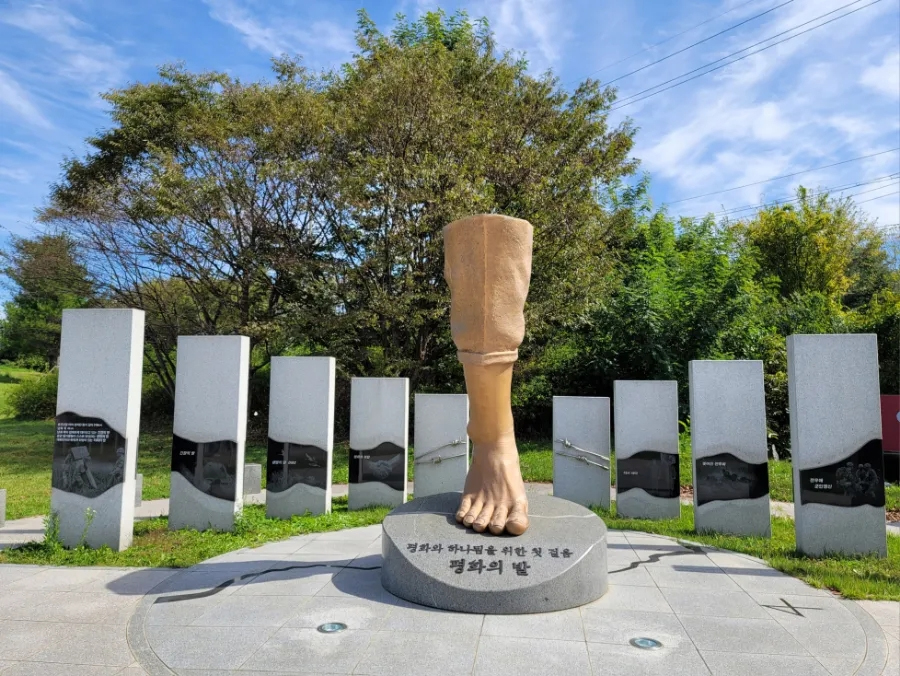
The Demilitarized Zone (DMZ) is a 250-kilometer-long buffer zone that separates North and South Korea. Established by the armistice agreement that ended the Korean War, the DMZ is one of the most heavily fortified borders in the world. Despite its military nature, the DMZ has also become a symbol of hope for peace and reunification, and parts of it have been preserved as ecological sanctuaries.
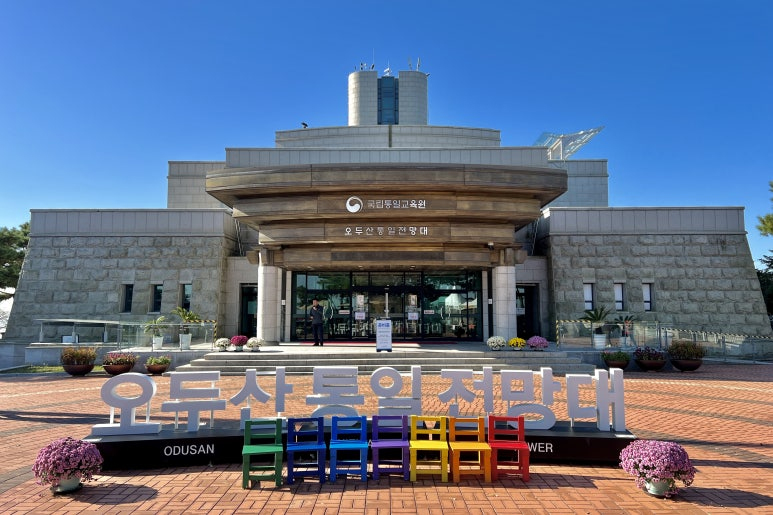
Visiting the DMZ offers a unique perspective on the division of Korea and the ongoing efforts toward peace. Sites like Imjingak Peace Park, the Third Tunnel, and Dora Observatory provide insights into the complex history and current situation of the Korean Peninsula. These visits are educational experiences that help visitors understand the human cost of division and the importance of peace.
Memorials and Museums: Preserving History
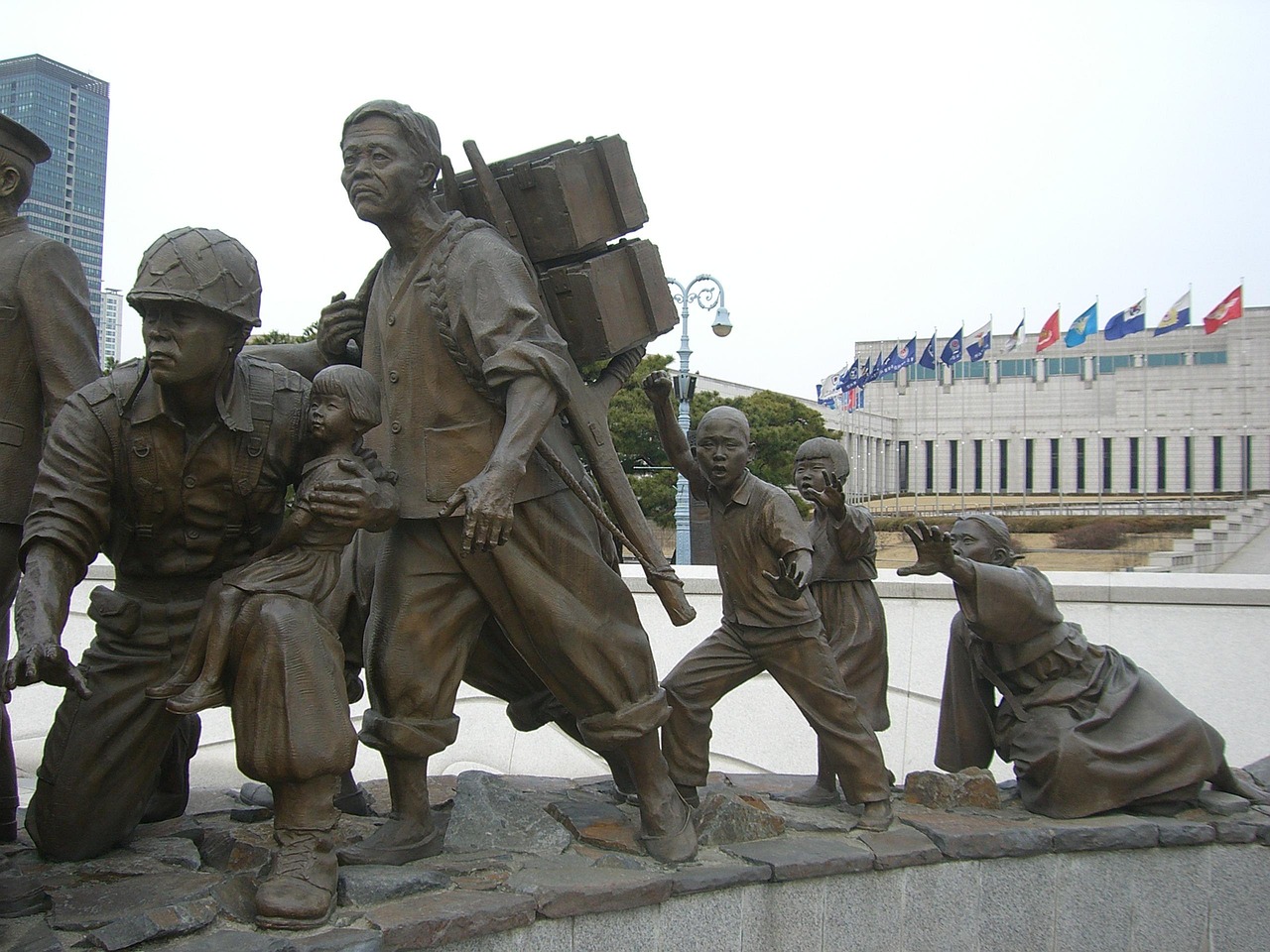
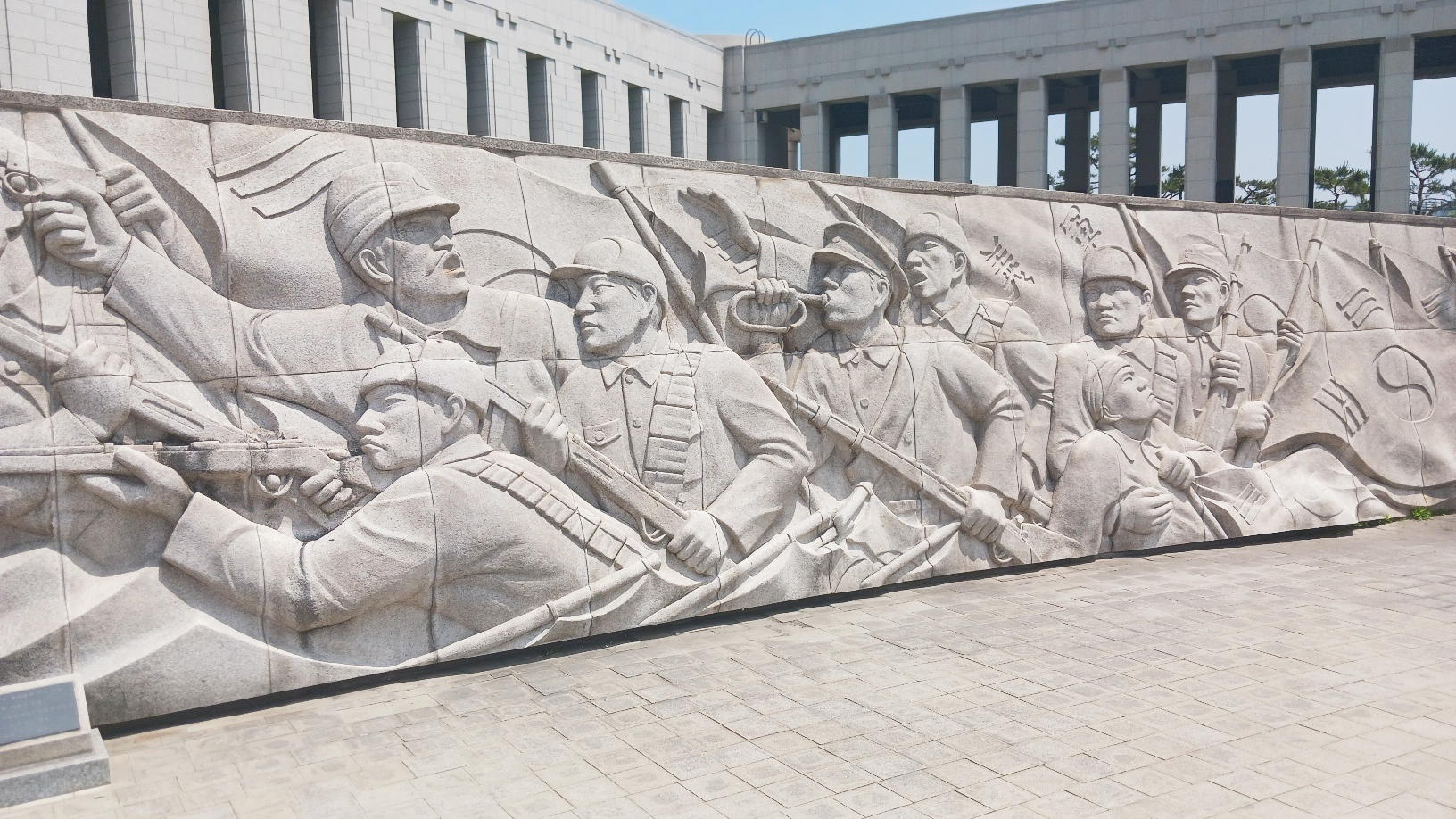
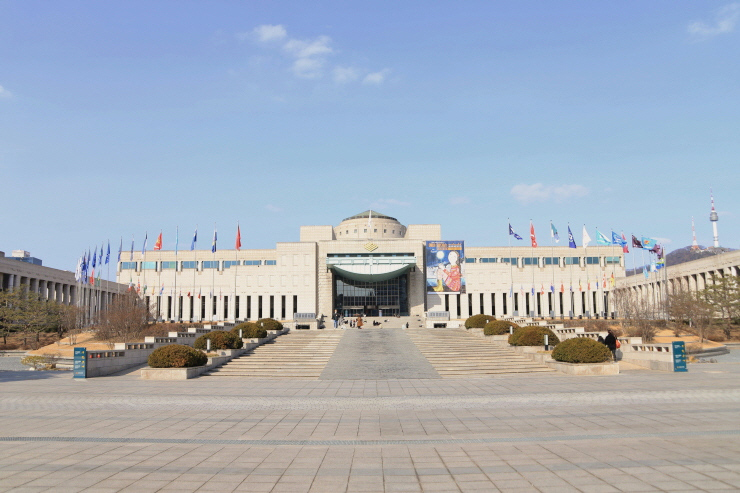
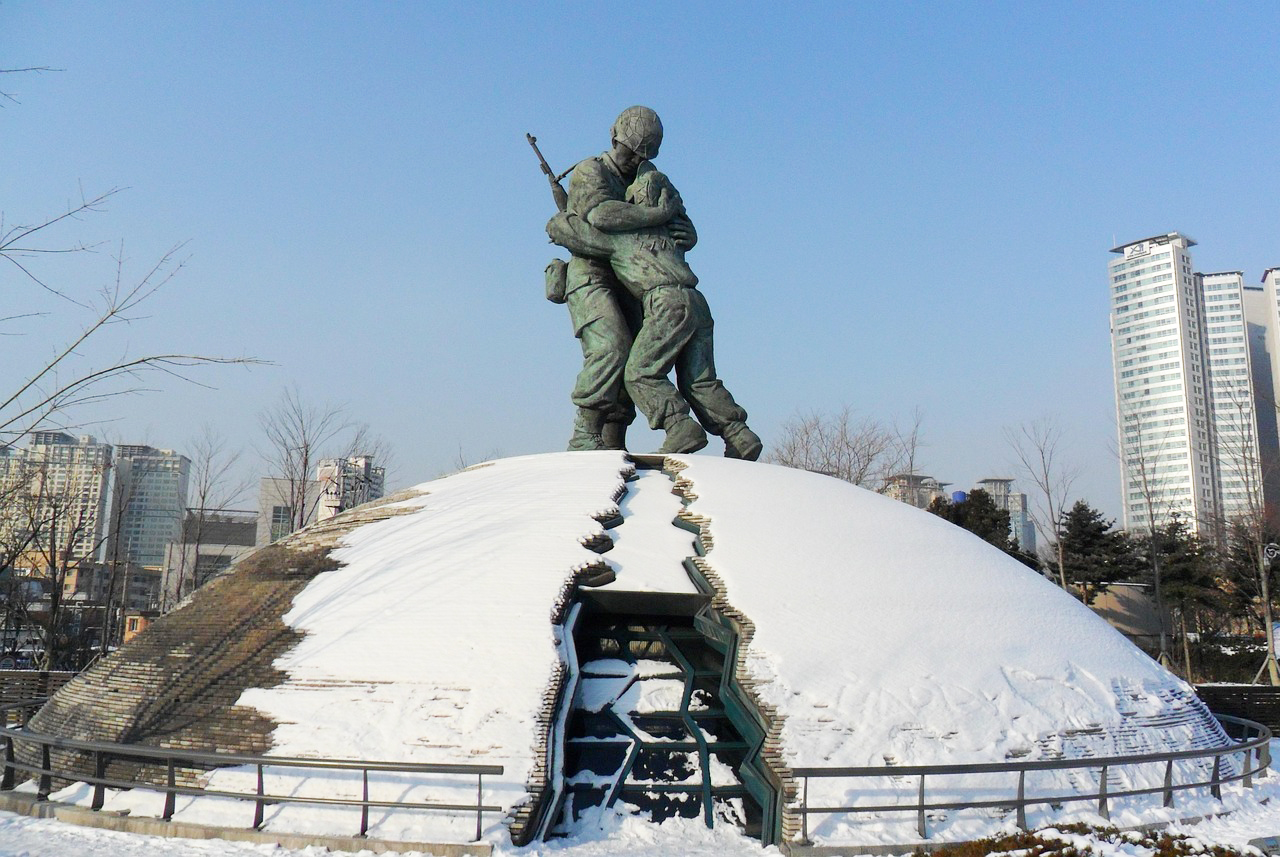
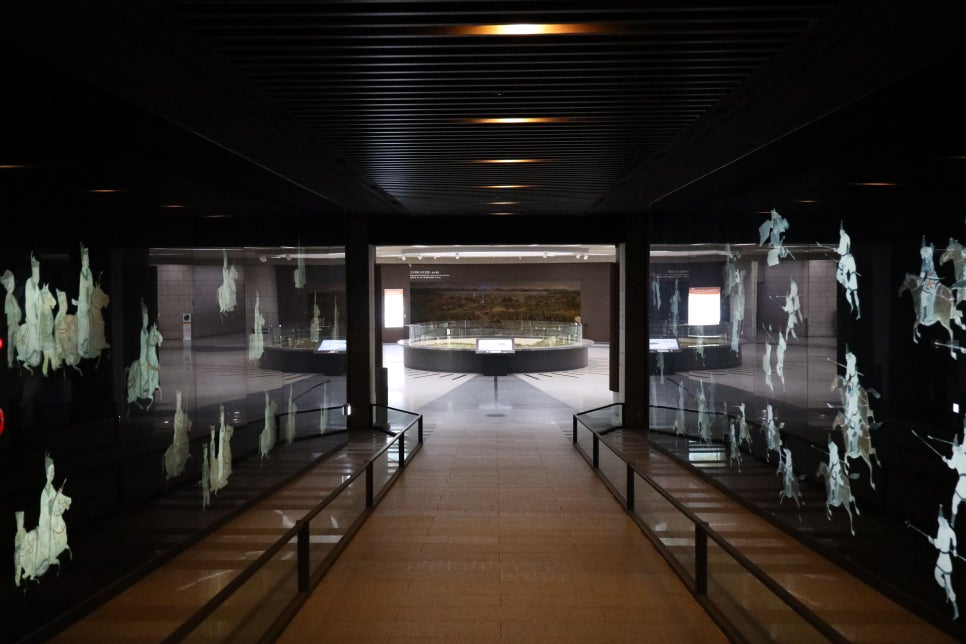
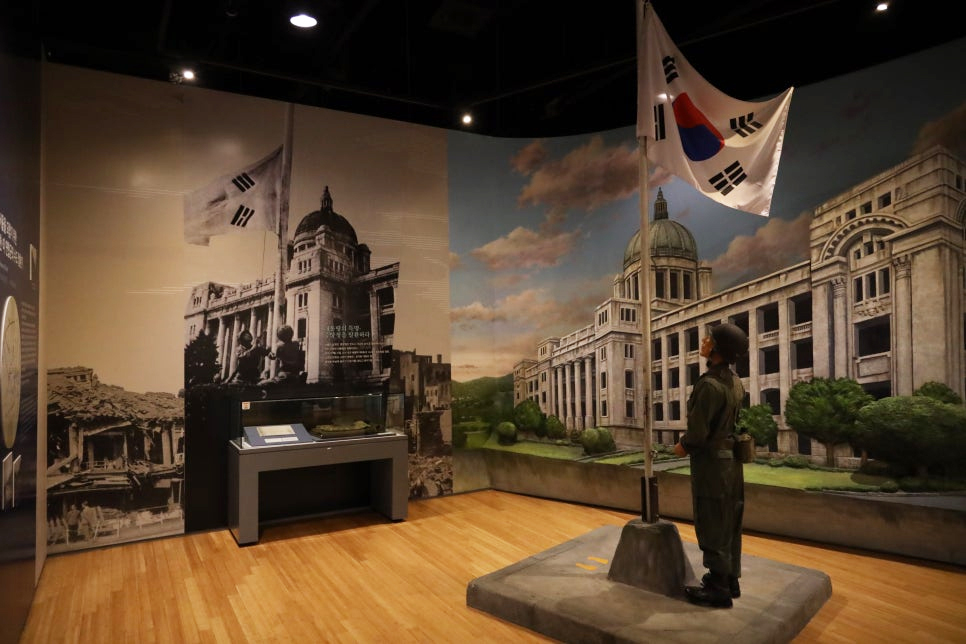
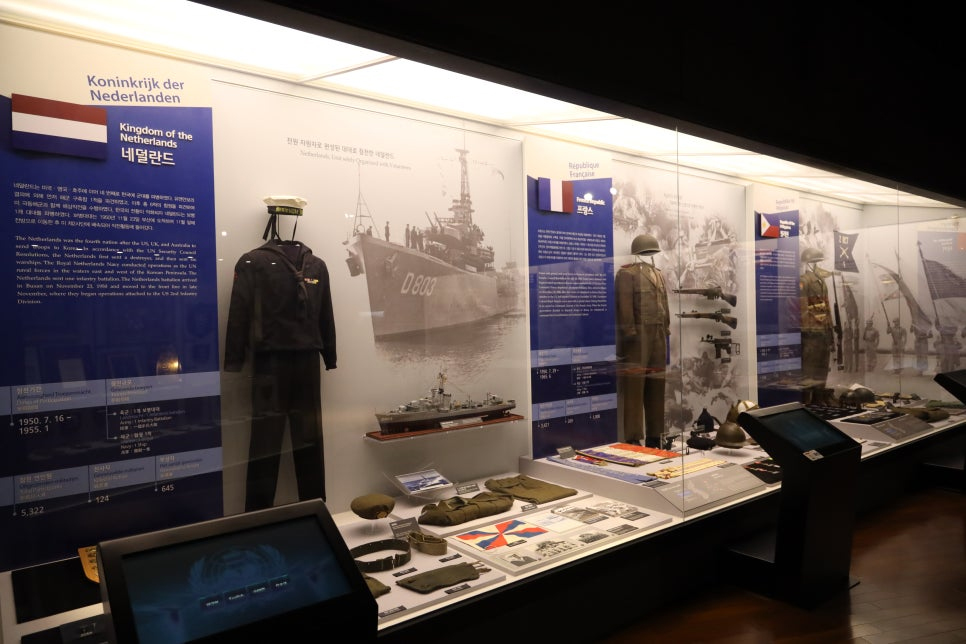
Korea has established numerous memorials and museums dedicated to preserving the memory of the Korean War and educating future generations. The Korean War Memorial in Seoul, the UN Memorial Cemetery in Busan, and various historical sites throughout the country serve as important educational resources. These institutions document the war's history, honor those who served, and promote understanding of the conflict's lasting impact.
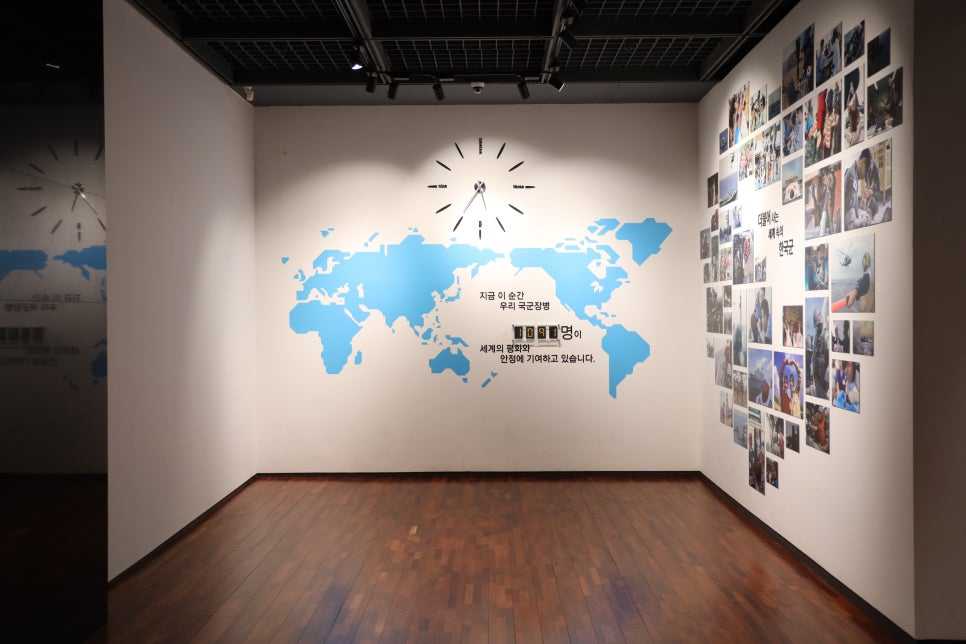
These memorials and museums use modern technology, artifacts, and personal stories to bring history to life. They provide comprehensive accounts of the war, from its causes and major battles to its aftermath and ongoing effects. Visiting these sites offers profound insights into Korean history and the nation's journey from devastation to prosperity.
Korea's Path to Recovery and Development
Despite the devastation of the Korean War, South Korea achieved remarkable economic and social development in the decades that followed. The nation transformed from one of the world's poorest countries to a global economic powerhouse, a transformation often called the "Miracle on the Han River." This recovery and development story is an important part of understanding modern Korea.
The resilience and determination demonstrated in Korea's post-war recovery reflect the strength of the Korean people and their commitment to building a better future. Understanding this history helps visitors appreciate not just Korea's past struggles but also its present achievements and future aspirations.
The Quest for Peace and Reunification
The division of Korea remains one of the world's most significant unresolved conflicts. Efforts toward peace, dialogue, and eventual reunification continue, with various initiatives and diplomatic efforts taking place over the decades. Understanding the Korean War and its aftermath is essential for comprehending these ongoing efforts and the complex dynamics of inter-Korean relations.
Educational tours focusing on Korean War history provide valuable context for understanding contemporary Korea, its relationship with North Korea, and its role in regional and global affairs. These experiences offer deep insights into a critical period of Korean history and its continuing relevance to the present day.