Korea is blessed with diverse and stunning natural landscapes, from majestic mountains and pristine coastlines to lush forests and volcanic islands. Despite being a relatively small country, Korea offers an incredible variety of natural environments that provide opportunities for hiking, nature photography, and outdoor adventures throughout the year.
Korea's Mountain Ranges
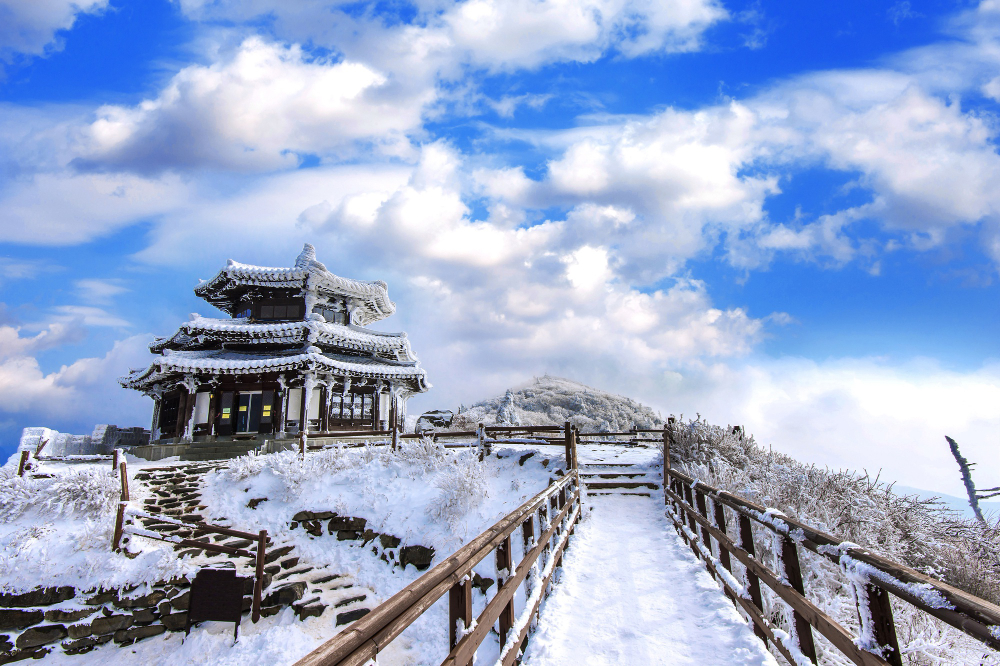
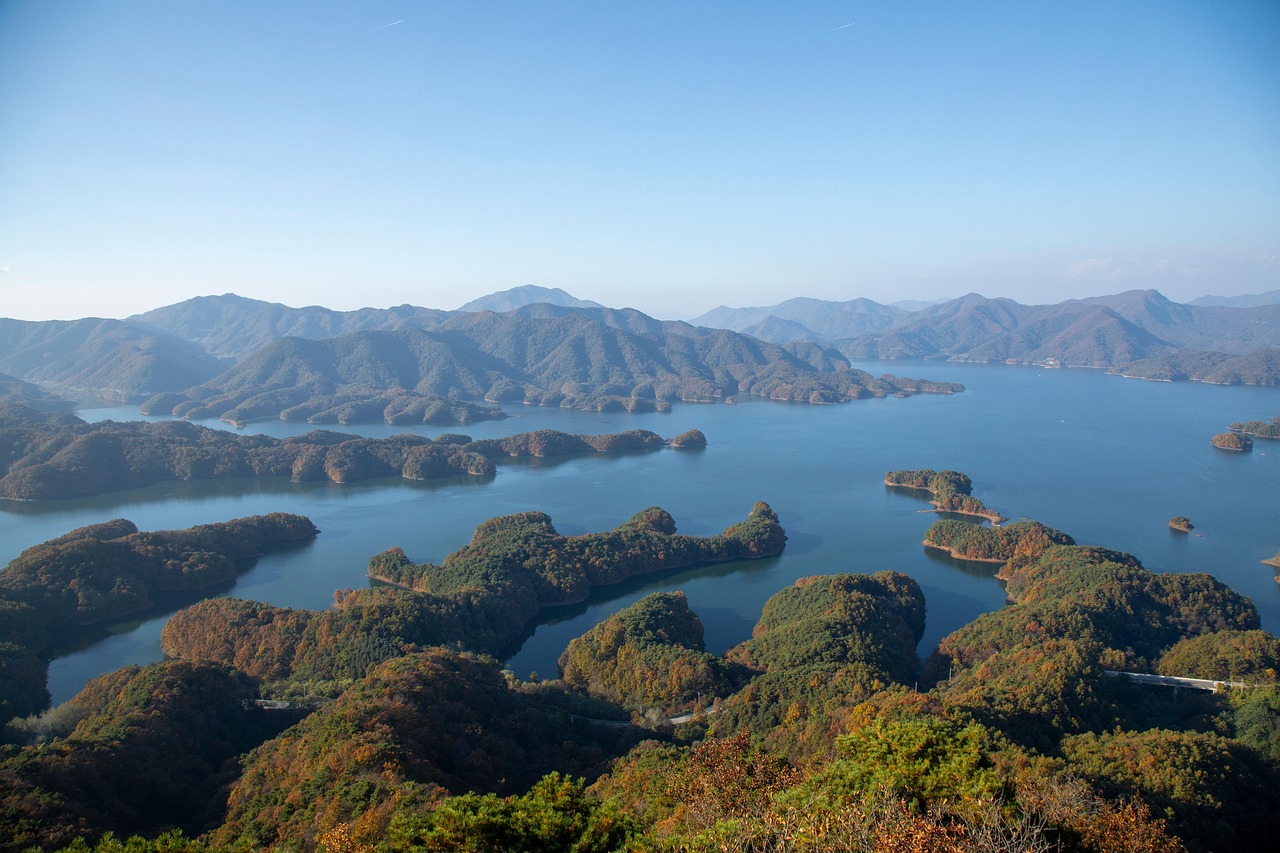
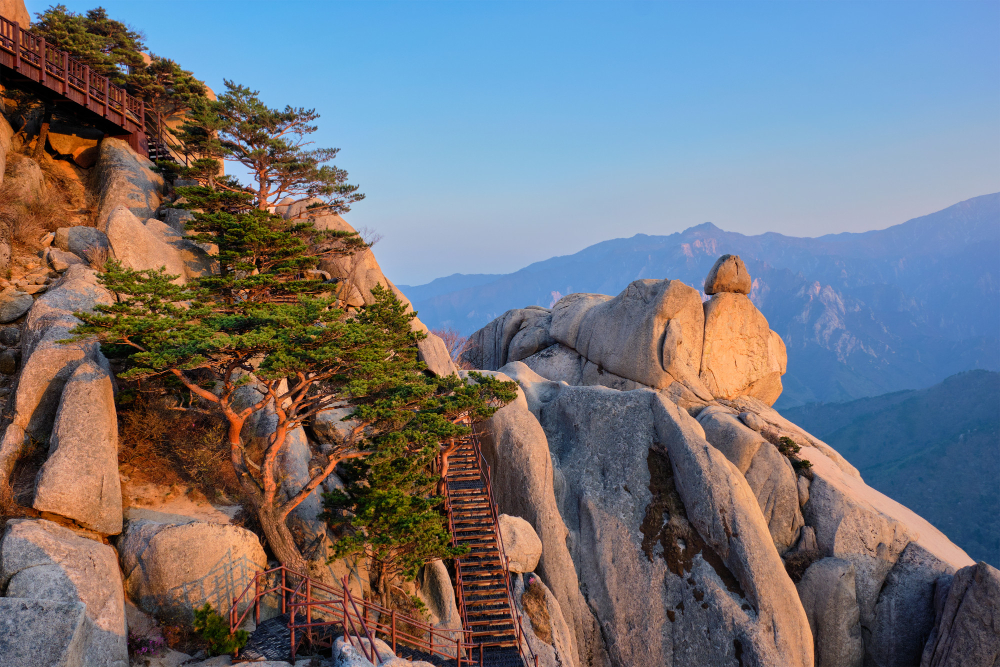
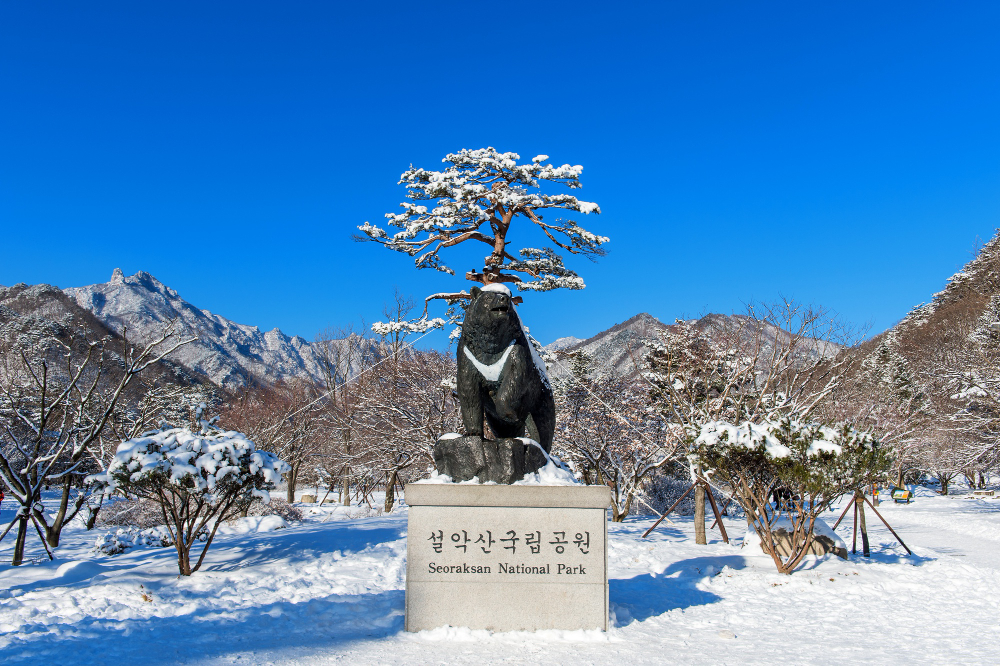
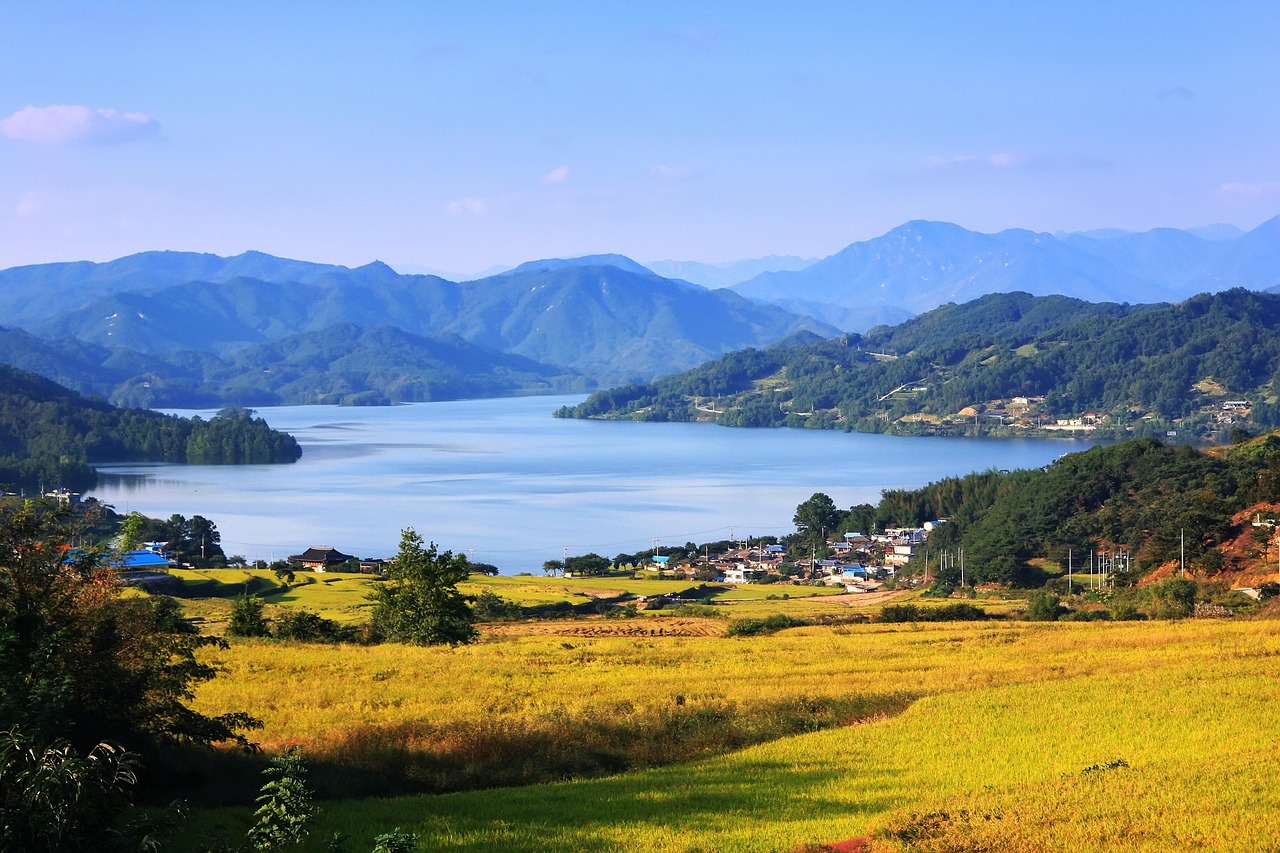
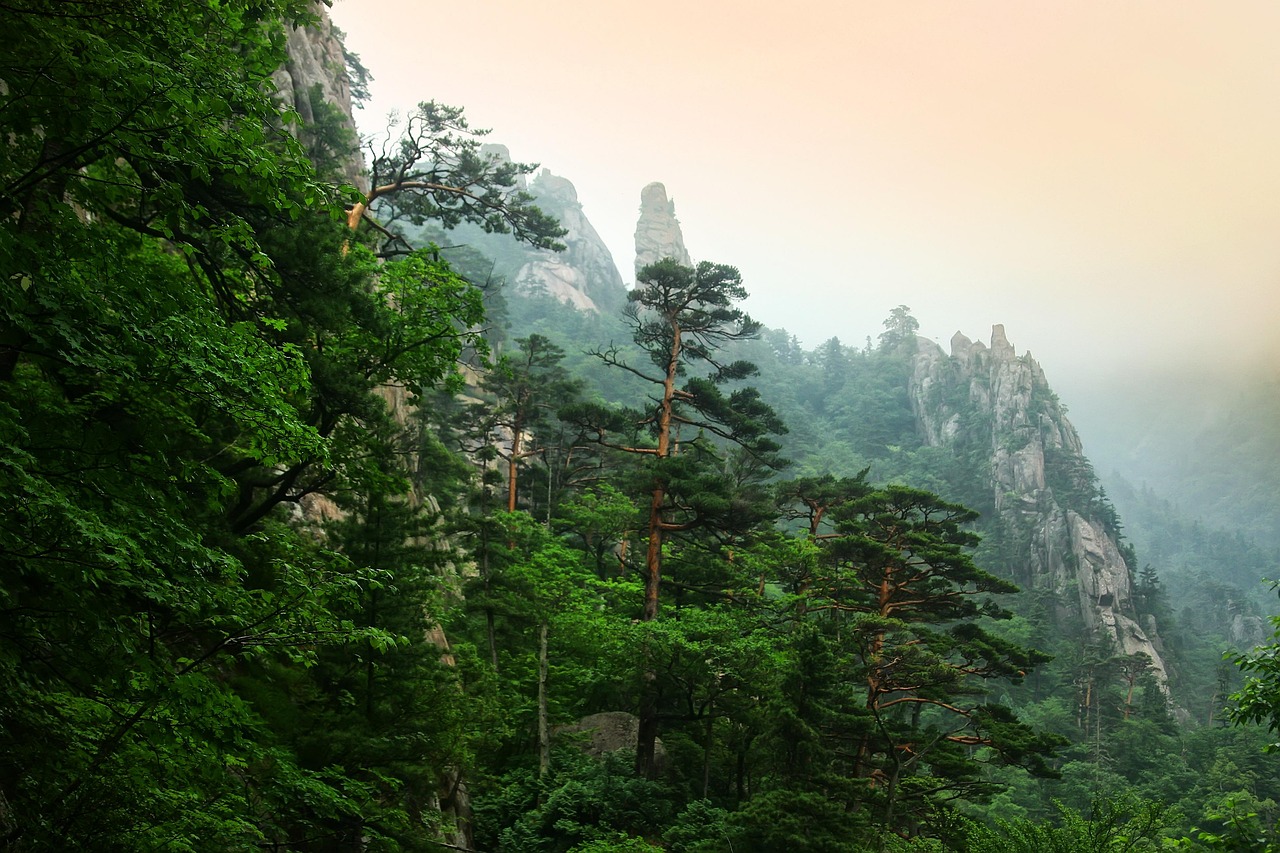
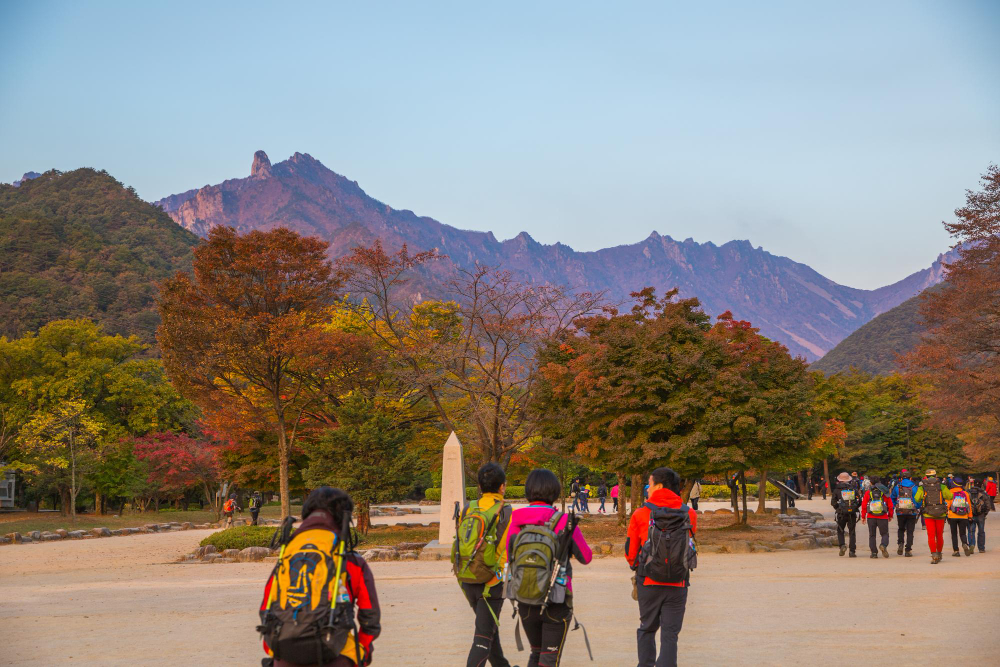
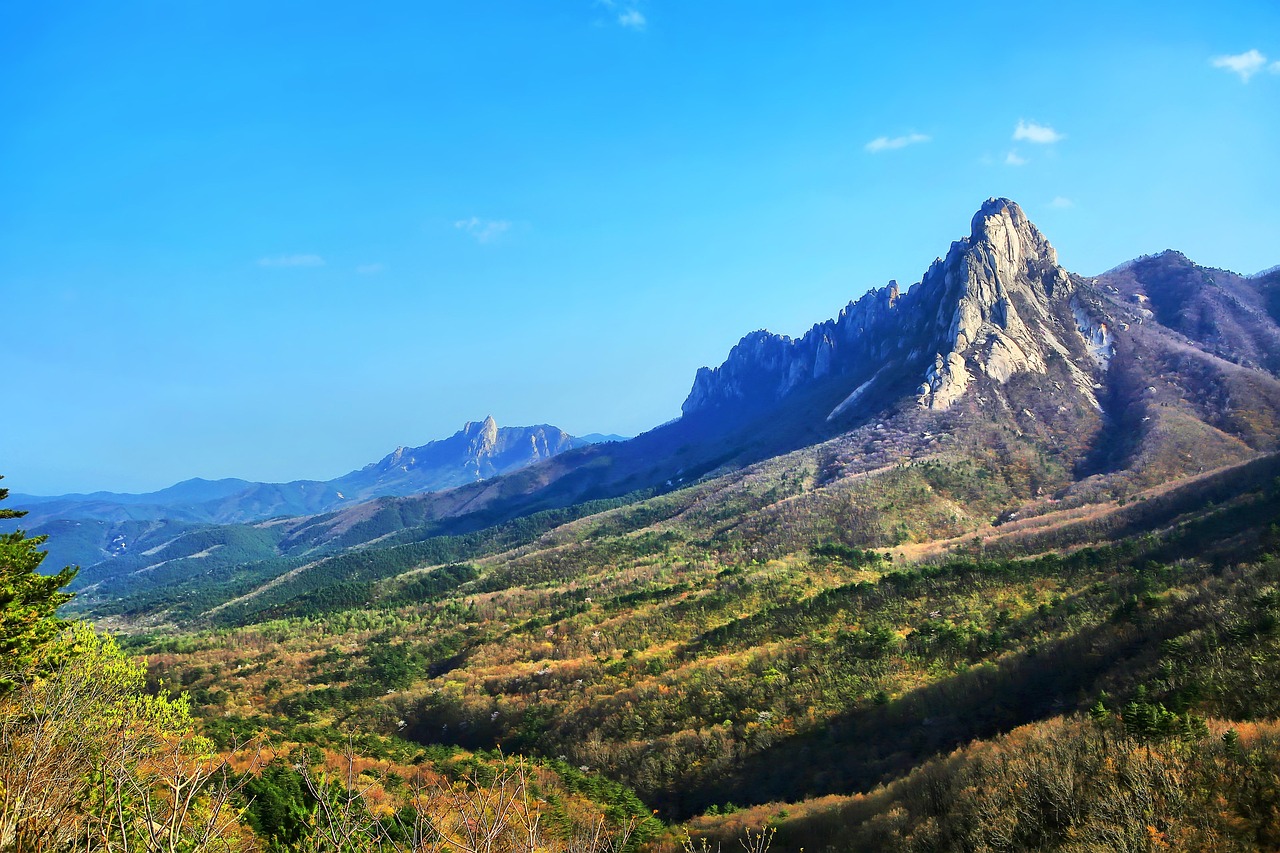
Mountains cover approximately 70% of Korea's land area, making hiking and mountain exploration central to Korean outdoor culture. The Taebaek and Sobaek mountain ranges run through the peninsula, creating drama and providing excellent hiking opportunities. Seoraksan National Park, Jirisan National Park, and Bukhansan National Park are among the most popular destinations for nature enthusiasts.
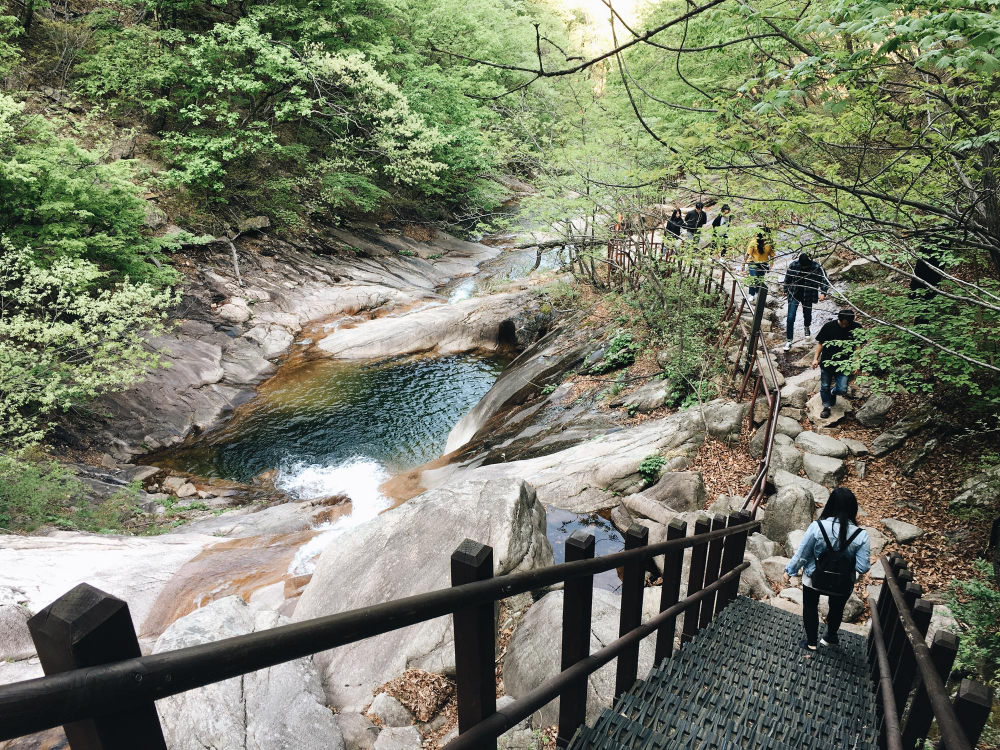
Korean mountains offer trails for all skill levels, from gentle walks to challenging climbs. The well-maintained trails, clear signage, and mountain shelters make hiking accessible and safe. Many mountains also feature Buddhist temples, adding cultural significance to the natural beauty. The changing seasons bring different experiences, from spring wildflowers to autumn foliage and winter snowscapes.
Coastal and Island Beauty
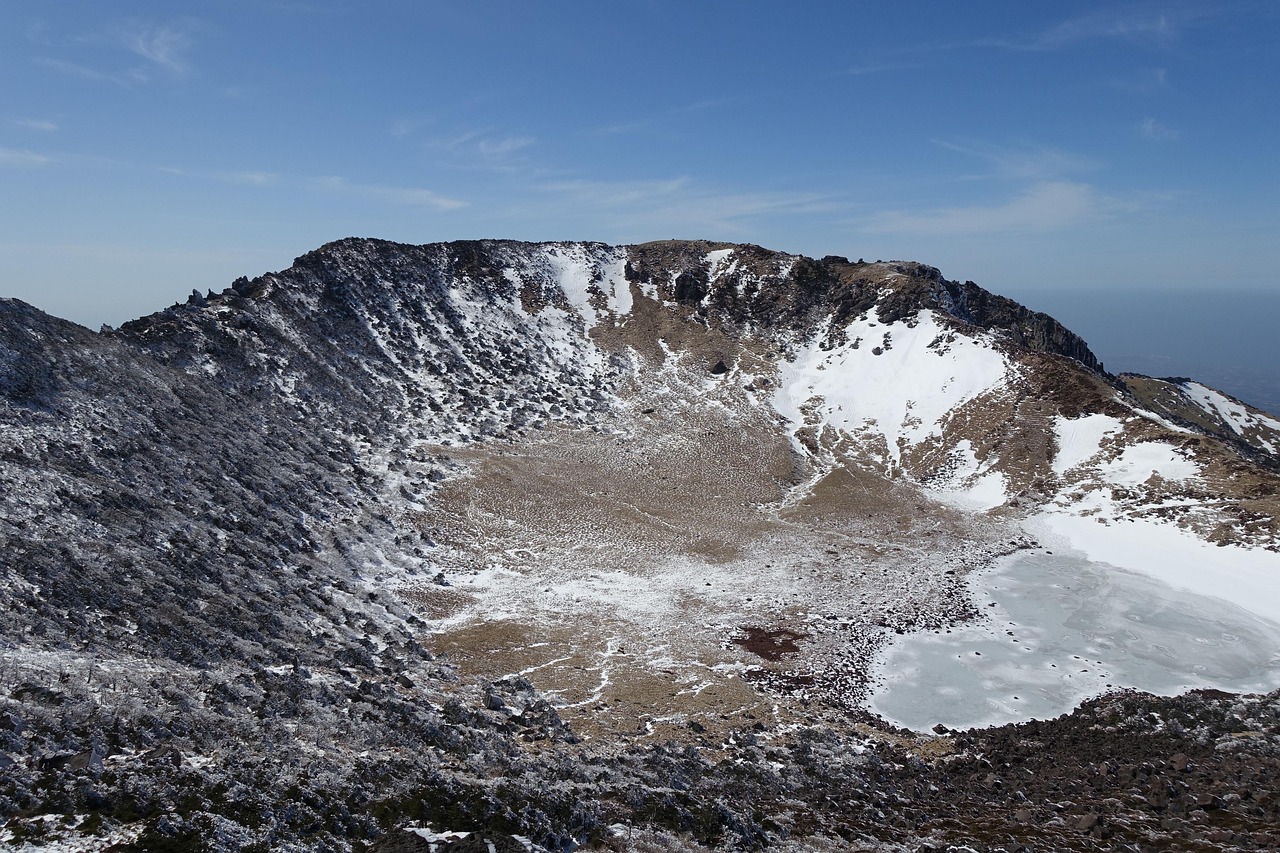
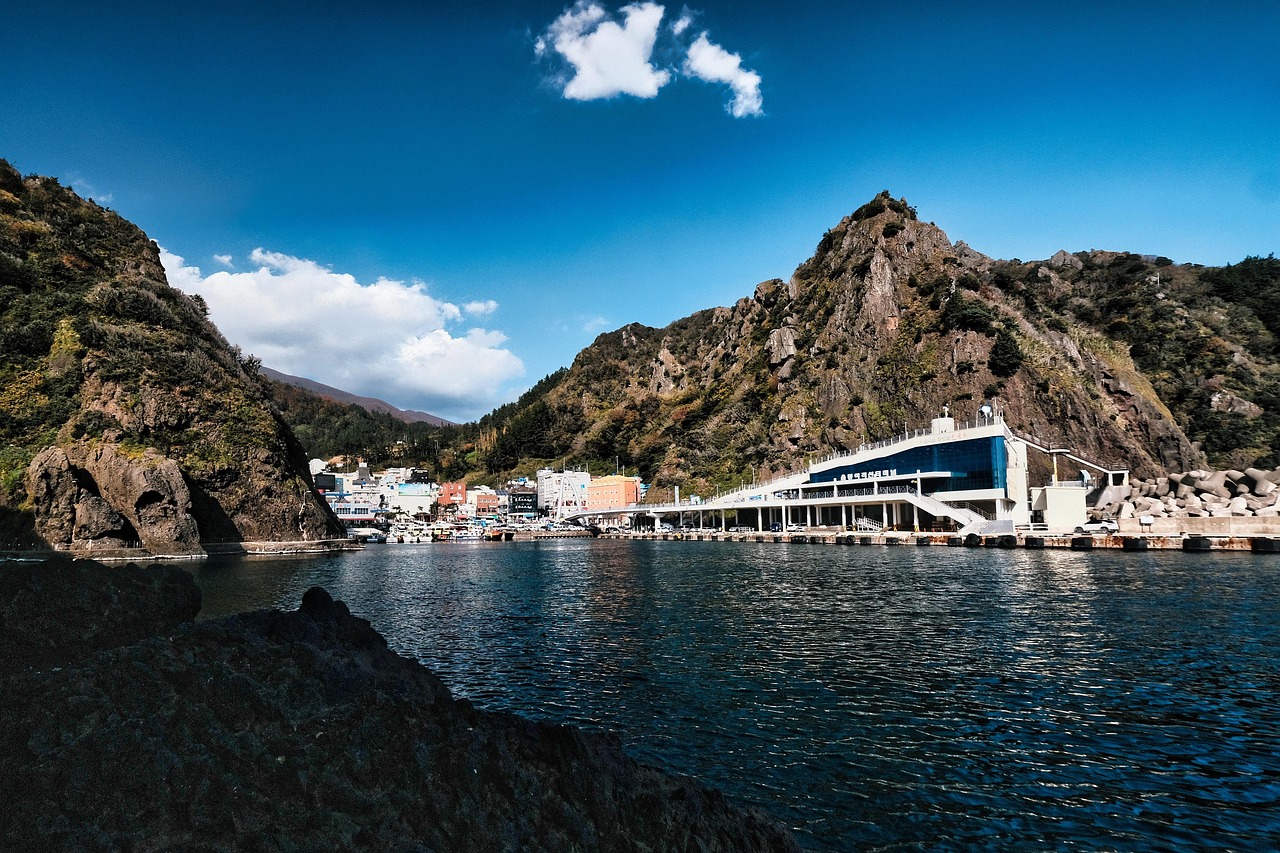
Korea's coastline stretches over 2,400 kilometers, offering diverse coastal landscapes from sandy beaches to dramatic cliffs. The eastern coast features beautiful beaches and clear waters, while the southern and western coasts have extensive tidal flats and unique coastal formations. Jeju Island, a volcanic island off the southern coast, is a UNESCO World Natural Heritage site known for its unique geology, Hallasan Mountain, and stunning coastal scenery.
The Jeju Olle Trail, a network of walking paths around Jeju Island, allows visitors to experience the island's natural beauty on foot. Coastal areas throughout Korea offer opportunities for beach activities, coastal hiking, and enjoying fresh seafood. The combination of mountains and sea creates unique landscapes that are distinctly Korean.
National Parks and Protected Areas
Korea has established numerous national parks and protected areas to preserve its natural heritage. These parks protect diverse ecosystems, rare wildlife, and unique geological formations. The parks are well-managed with visitor centers, trails, and facilities that make nature accessible while protecting the environment.
Each national park offers unique experiences, from the dramatic peaks of Seoraksan to the ancient forests of Jirisan and the volcanic landscapes of Hallasan. These protected areas are not just recreational spaces but important conservation areas that preserve Korea's natural heritage for future generations.
Seasonal Natural Beauty
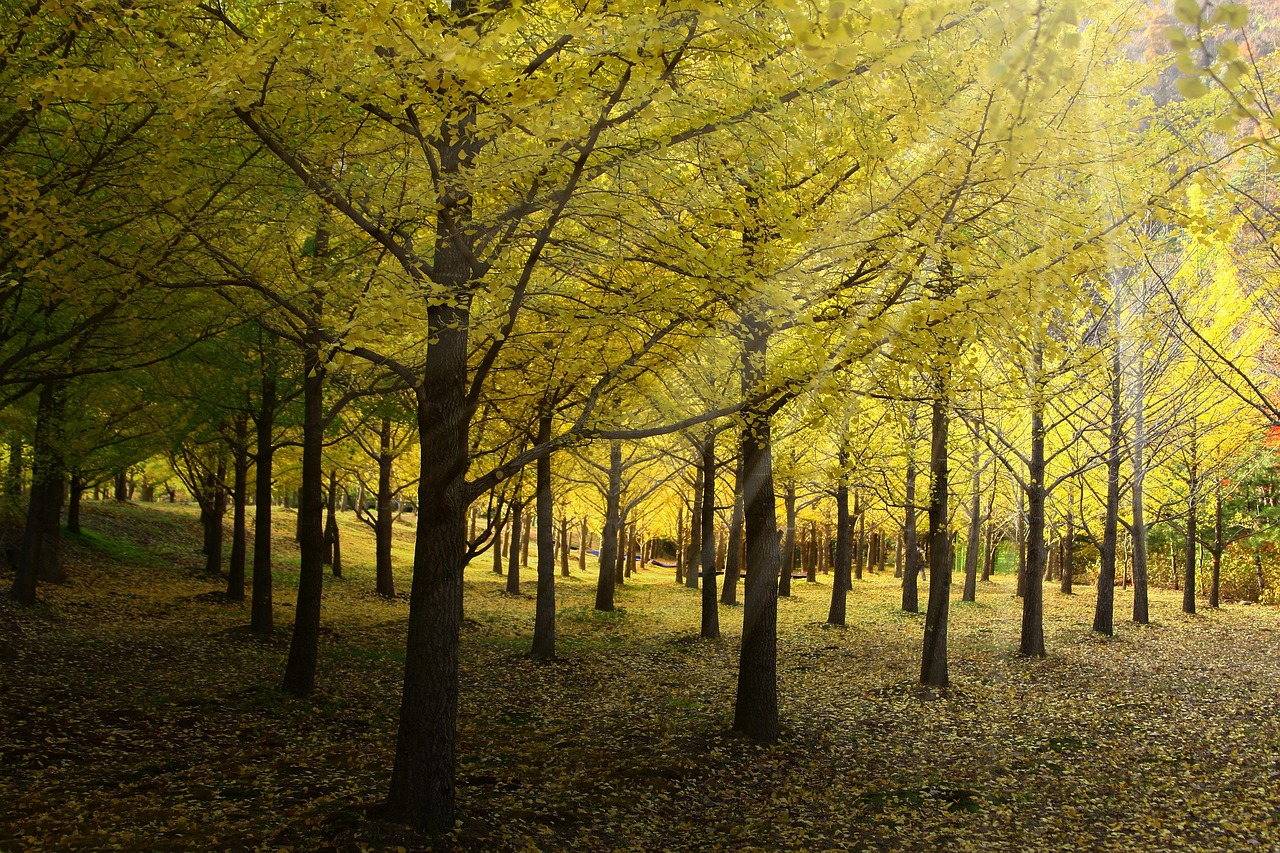
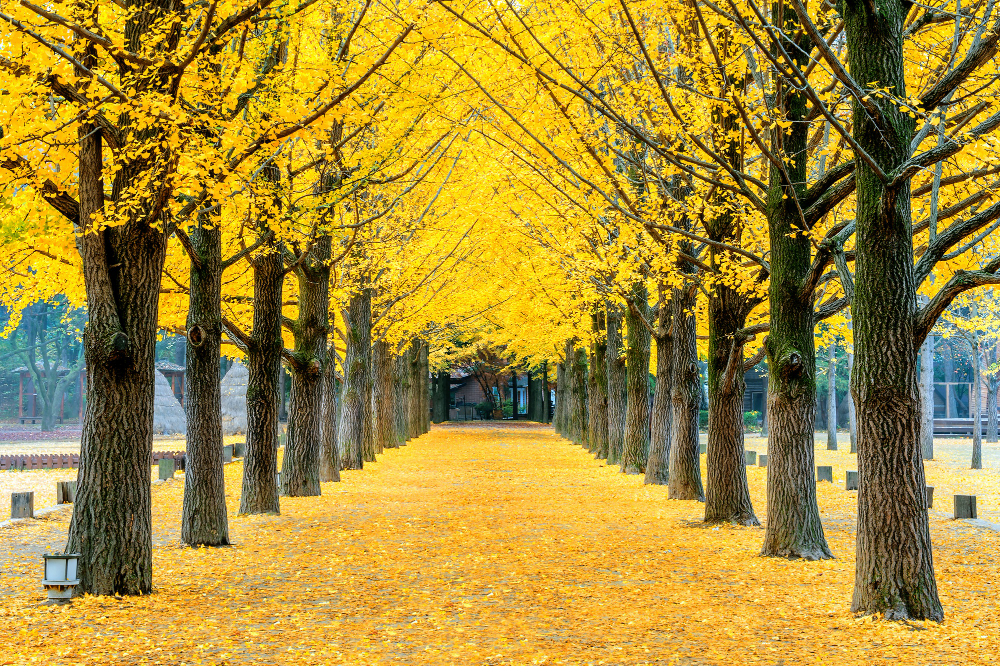
Korea's four distinct seasons each offer unique natural experiences. Spring brings cherry blossoms and wildflowers, summer offers lush green landscapes and beach activities, autumn showcases spectacular foliage, and winter provides snow-covered mountains and winter sports opportunities. The seasonal changes create a dynamic natural environment that rewards repeat visits.
The seasonal beauty of Korea's nature is celebrated through various festivals and cultural events. From cherry blossom festivals in spring to autumn foliage viewing, Koreans have a deep appreciation for seasonal natural beauty. This connection to nature is reflected in Korean culture, art, and daily life.
Nature and Korean Culture
Nature holds a special place in Korean culture, with mountains, forests, and natural landscapes featuring prominently in Korean art, literature, and philosophy. The concept of harmony with nature is central to Korean traditional thought, and this is reflected in how Koreans interact with and appreciate their natural environment.
Experiencing Korea's natural beauty provides not just outdoor recreation but also cultural insights. Many natural sites are associated with historical events, legends, and cultural practices. Hiking and nature activities are popular among Koreans, making these experiences also opportunities to connect with local culture and people.