Korea offers an incredible shopping experience that combines traditional markets with cutting-edge modern retail. From bustling traditional markets that have operated for centuries to world-class shopping districts featuring K-beauty, fashion, and technology, Korean shopping culture reflects both the nation's heritage and its position as a global trendsetter.
Traditional Markets: The Heart of Korean Commerce
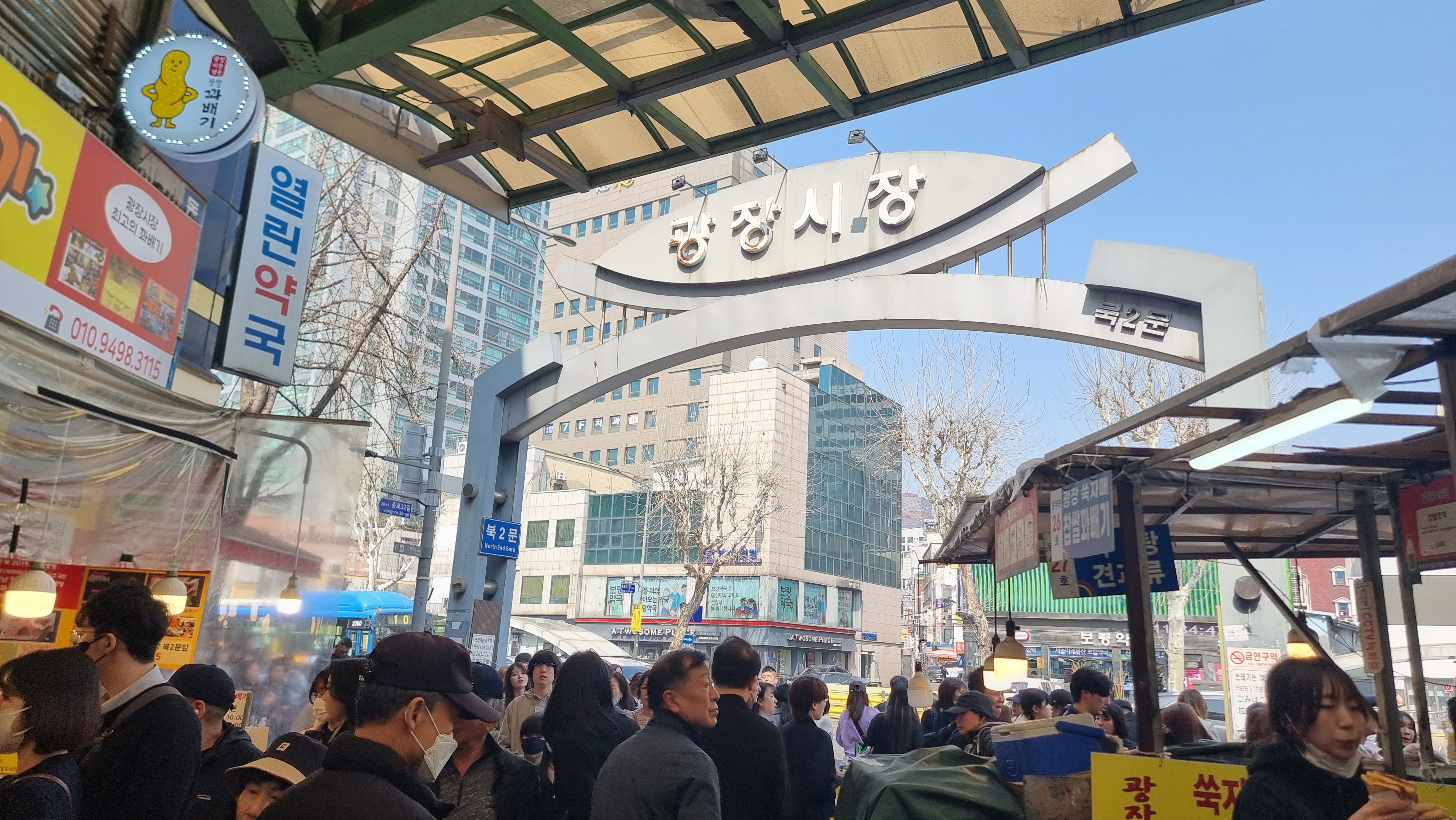
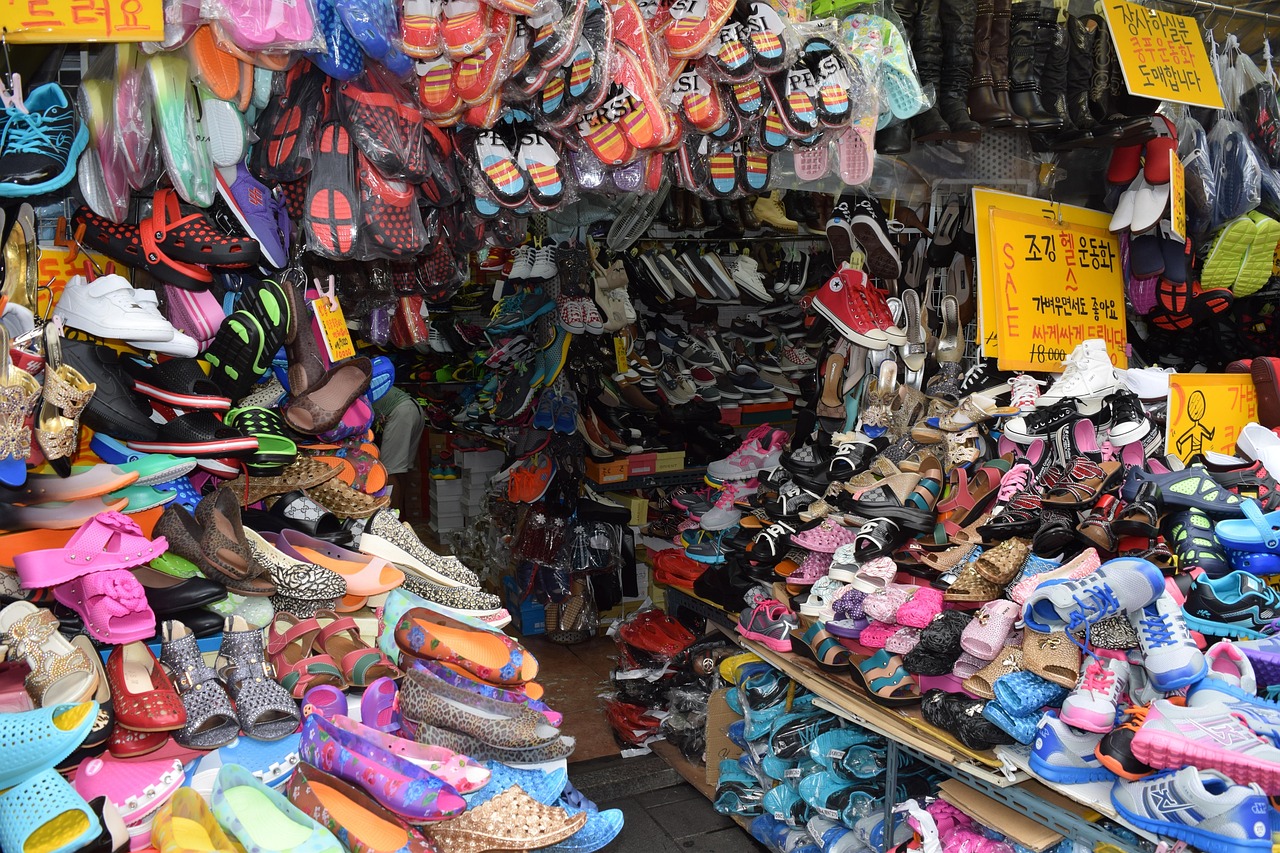
Traditional markets (전통시장) are vibrant centers of Korean commerce and culture. Markets like Gwangjang Market in Seoul, Jagalchi Market in Busan, and Namdaemun Market have been operating for decades, offering everything from fresh produce and street food to traditional crafts and clothing. These markets provide authentic experiences of Korean daily life and are essential destinations for understanding Korean culture.
Traditional markets are not just shopping destinations but social spaces where communities gather. The lively atmosphere, friendly vendors, and diverse products create a unique shopping experience. Many markets also feature food alleys where visitors can sample authentic Korean street food while shopping.
K-Beauty and Fashion: Global Trends from Korea
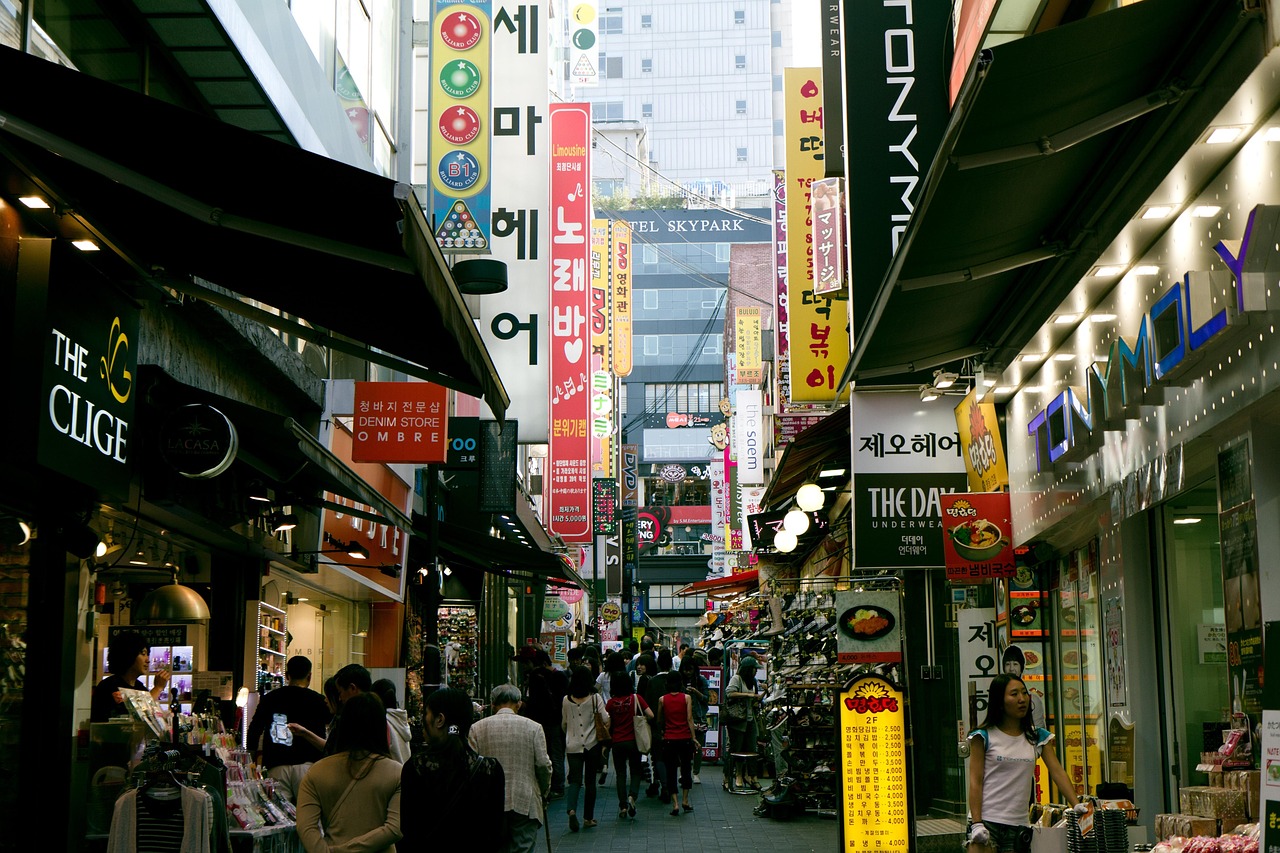
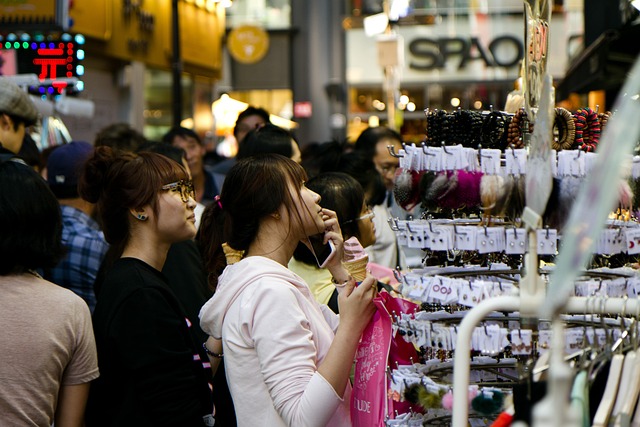
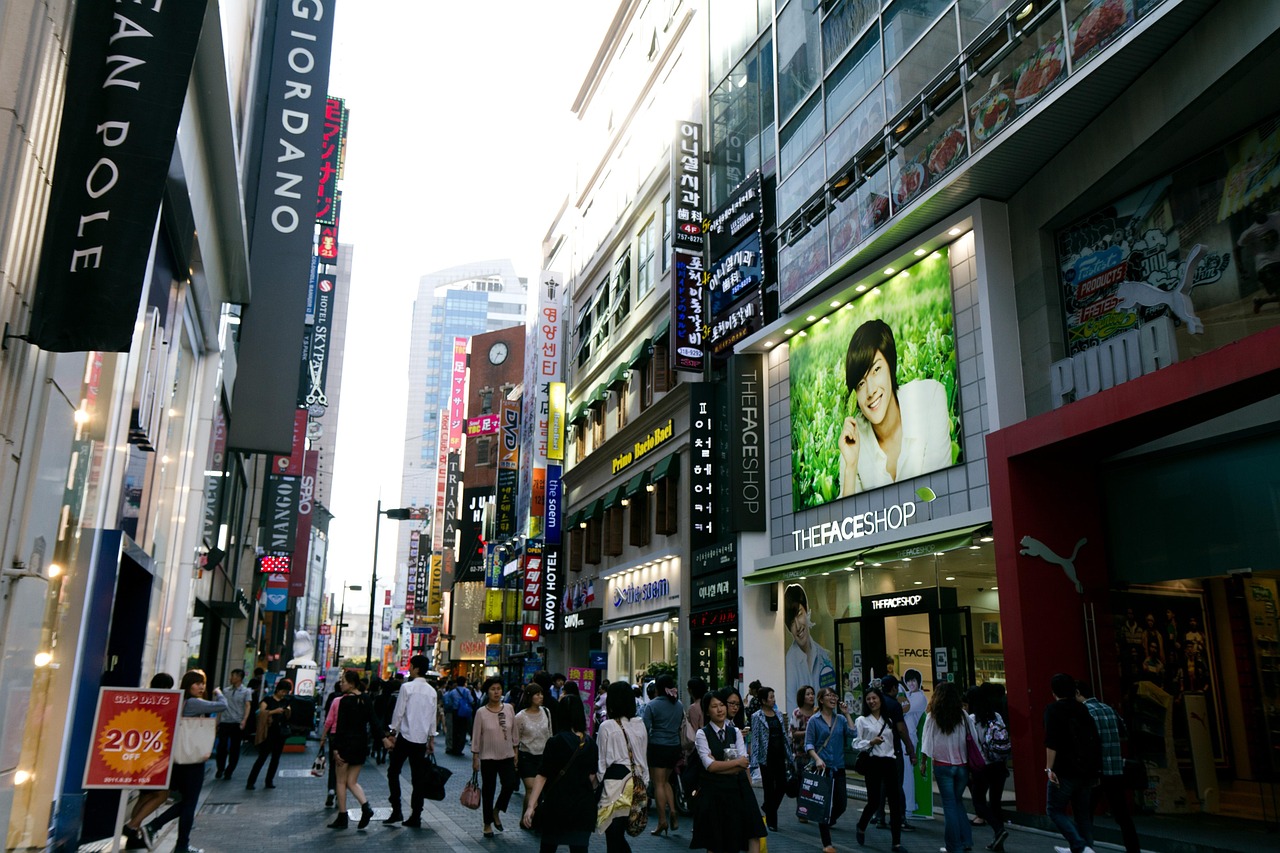
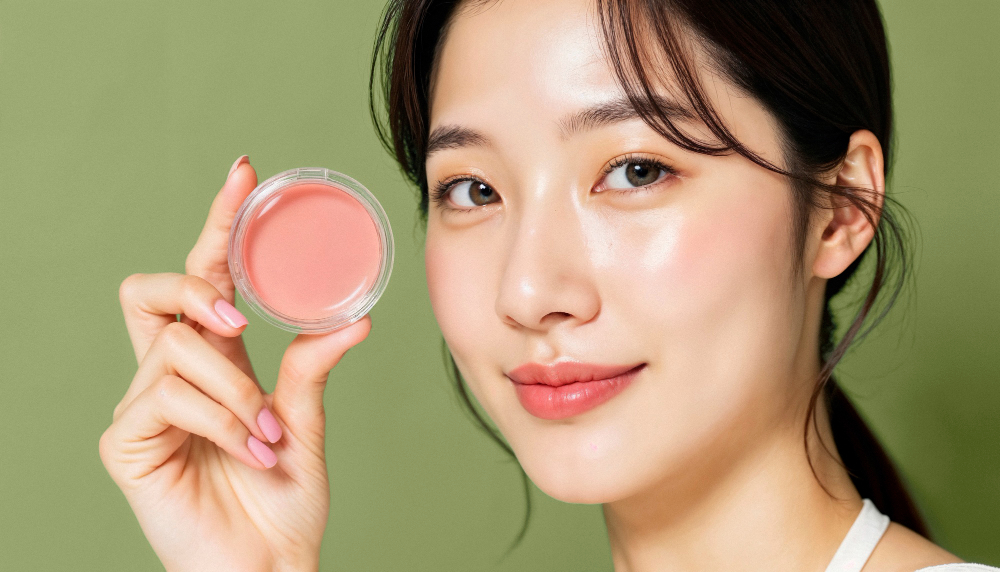
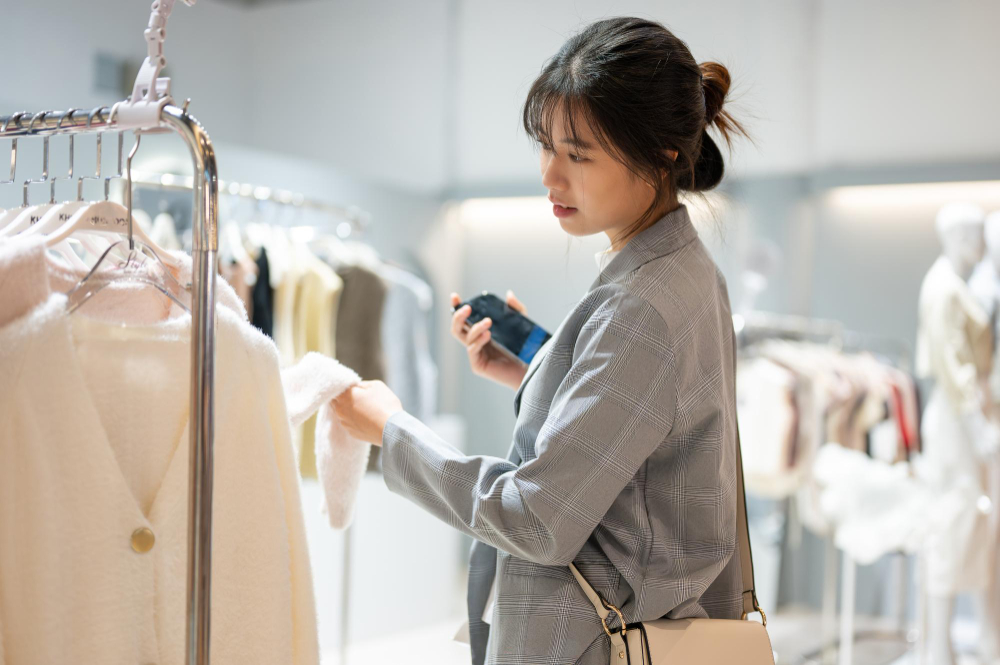
Korea has become a global leader in beauty and fashion, with K-beauty products and Korean fashion trends influencing markets worldwide. Seoul's shopping districts like Myeongdong, Gangnam, and Hongdae are filled with K-beauty stores, fashion boutiques, and concept stores. The emphasis on innovation, quality, and affordability has made Korean beauty and fashion products highly sought after internationally.
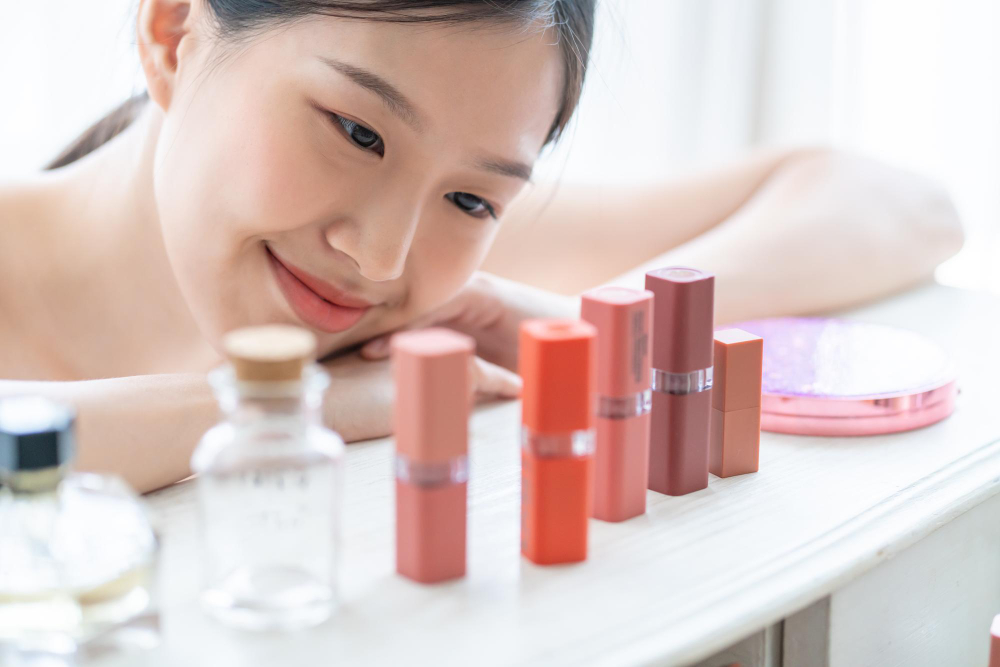
K-beauty stores offer extensive product ranges featuring innovative ingredients and packaging. Korean fashion combines traditional aesthetics with modern design, creating unique styles that have gained global recognition. Shopping in Korea provides access to the latest trends and products that may not yet be available internationally.
Modern Shopping Districts
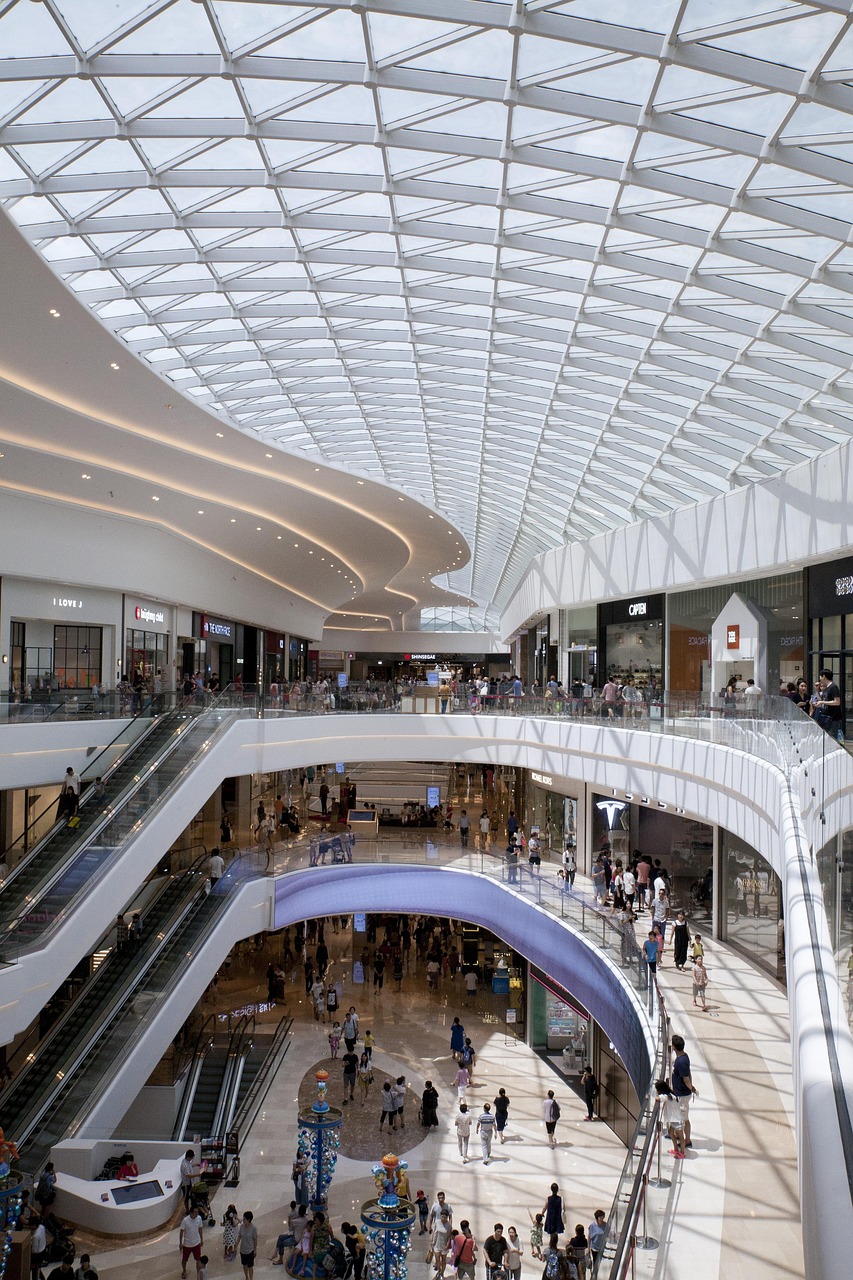
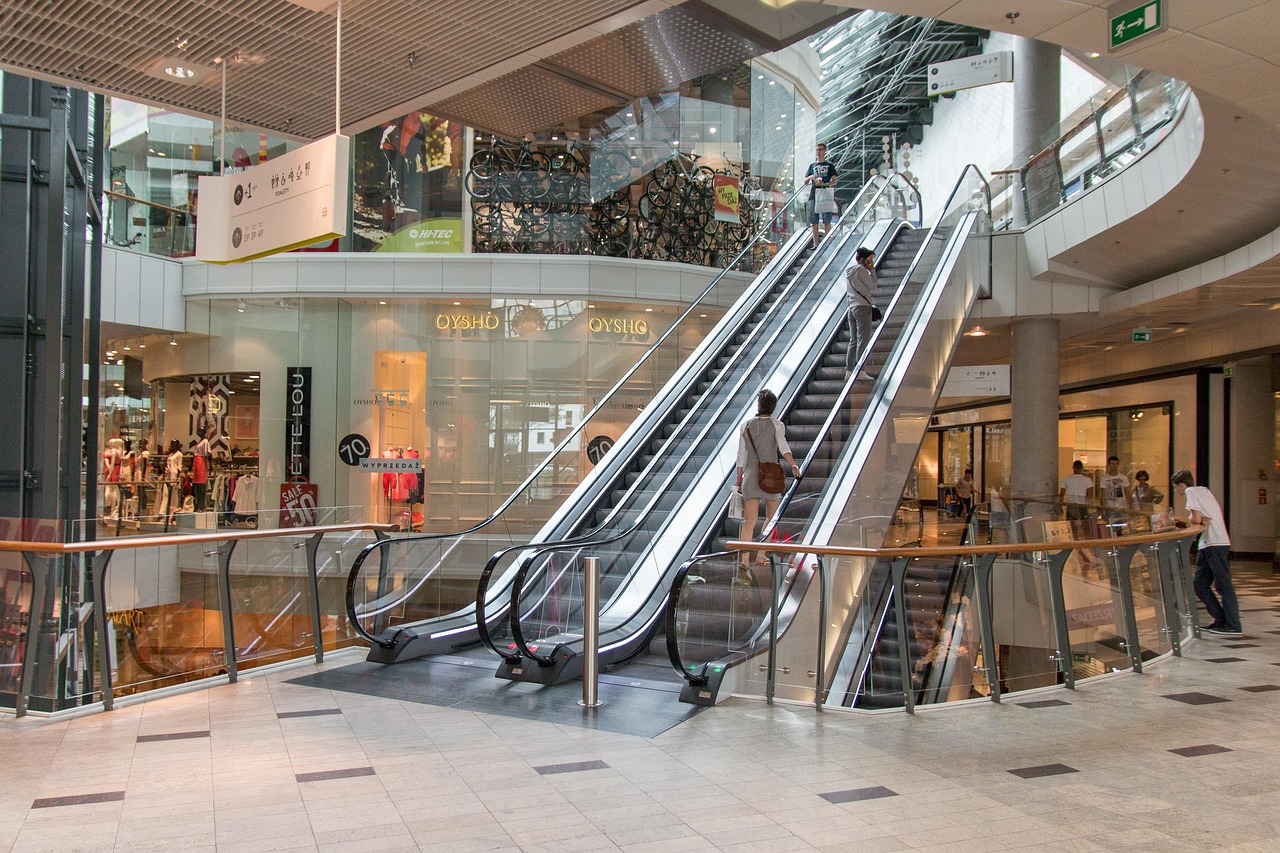
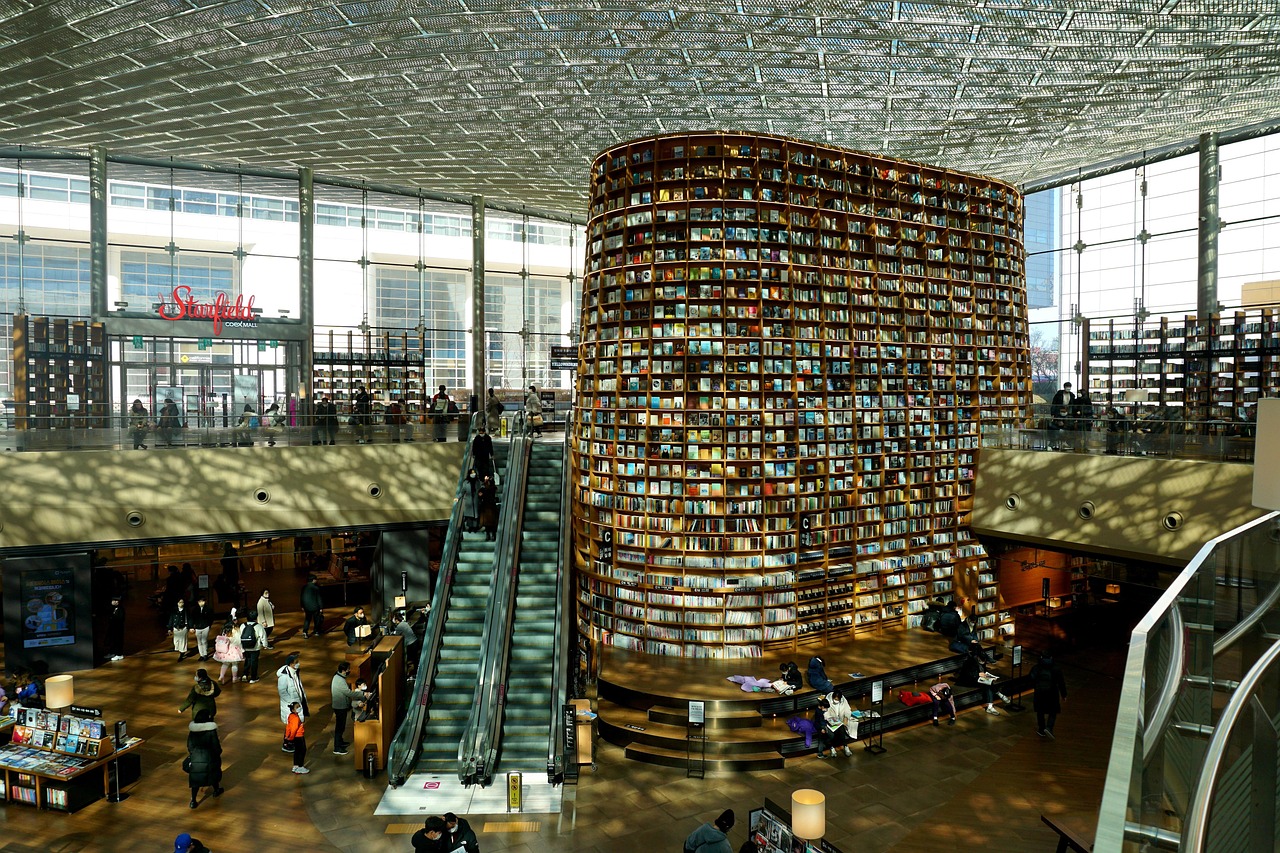
Korea's modern shopping districts offer world-class retail experiences. Areas like Myeongdong, Dongdaemun, and COEX in Seoul feature department stores, luxury brands, and entertainment complexes. These districts combine shopping with dining, entertainment, and cultural experiences, making them destinations for more than just retail therapy.
Korean shopping culture emphasizes customer service, with helpful staff, tax-free shopping for tourists, and various payment options. The integration of technology in shopping, from mobile payments to virtual try-ons, reflects Korea's position as a leader in retail innovation.
Cultural Shopping: Traditional Crafts and Souvenirs
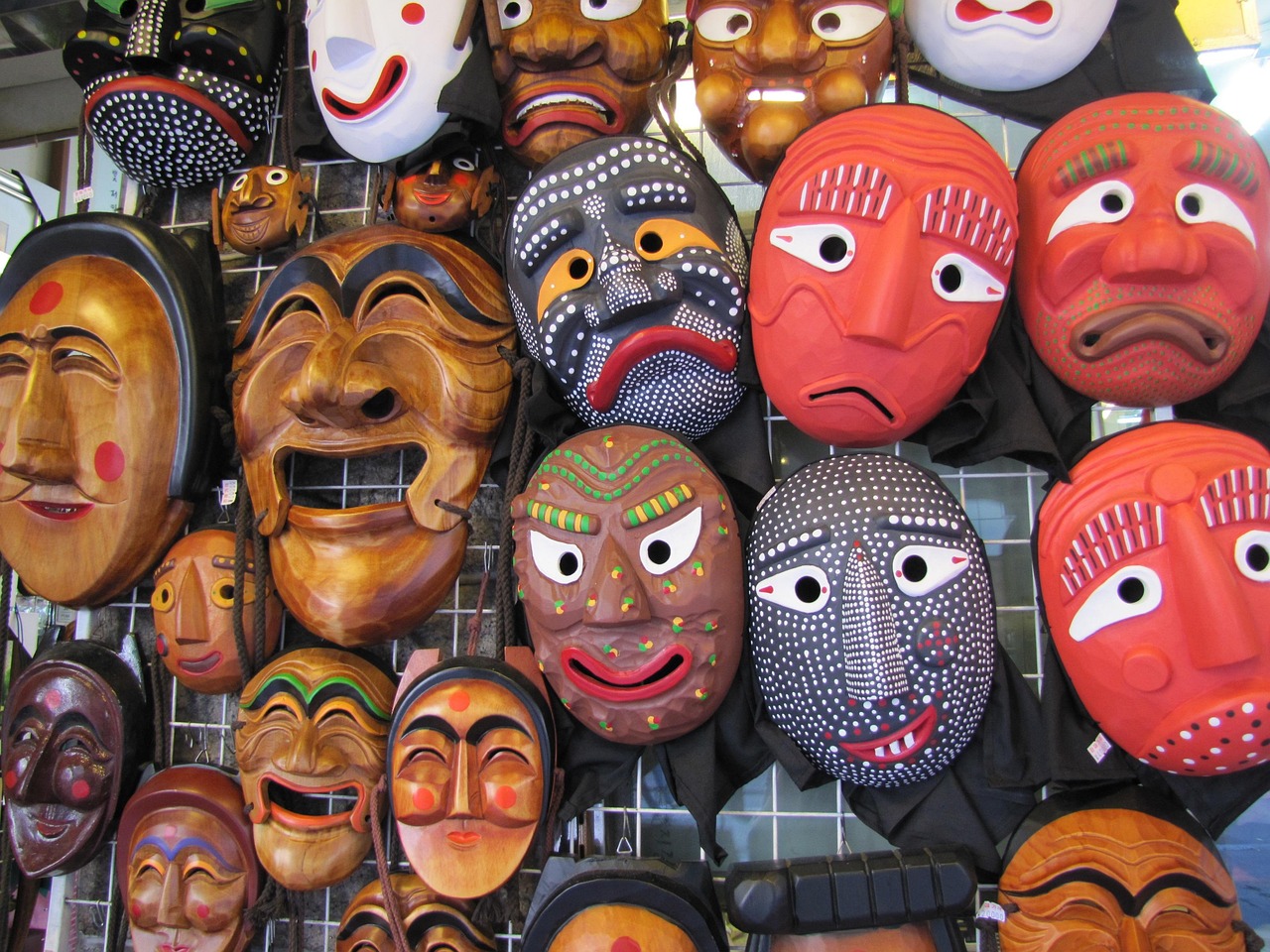
Korea offers unique shopping opportunities for traditional crafts and cultural souvenirs. Areas like Insadong in Seoul specialize in traditional Korean arts, crafts, and antiques. Visitors can find hanbok (traditional clothing), ceramics, calligraphy supplies, and other cultural items that make meaningful souvenirs.
Traditional craft shopping provides insights into Korean artistic traditions and cultural heritage. Many shops offer workshops where visitors can learn about traditional crafts and create their own items, adding educational value to the shopping experience.
Shopping as Cultural Experience
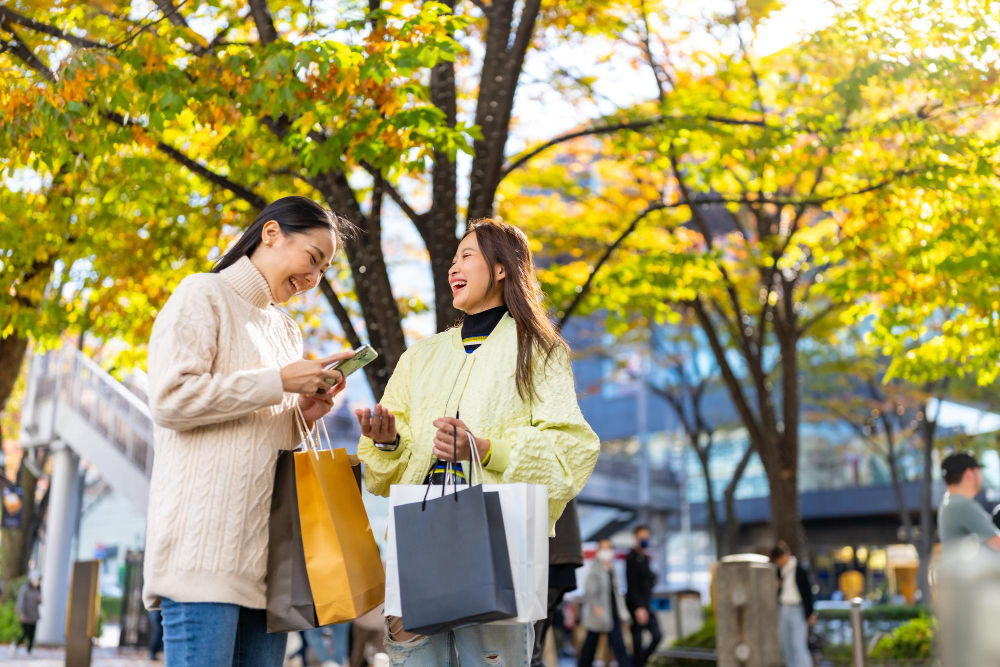
Shopping in Korea is more than just purchasing goods—it's a cultural experience that offers insights into Korean lifestyle, trends, and values. From bargaining in traditional markets to exploring cutting-edge retail concepts, shopping tours provide opportunities to interact with locals, learn about Korean products, and understand contemporary Korean culture.
Whether seeking traditional crafts, K-beauty products, fashion, or technology, Korea's diverse shopping scene offers something for every interest and budget. The combination of traditional markets and modern retail creates a unique shopping culture that reflects Korea's blend of heritage and innovation.