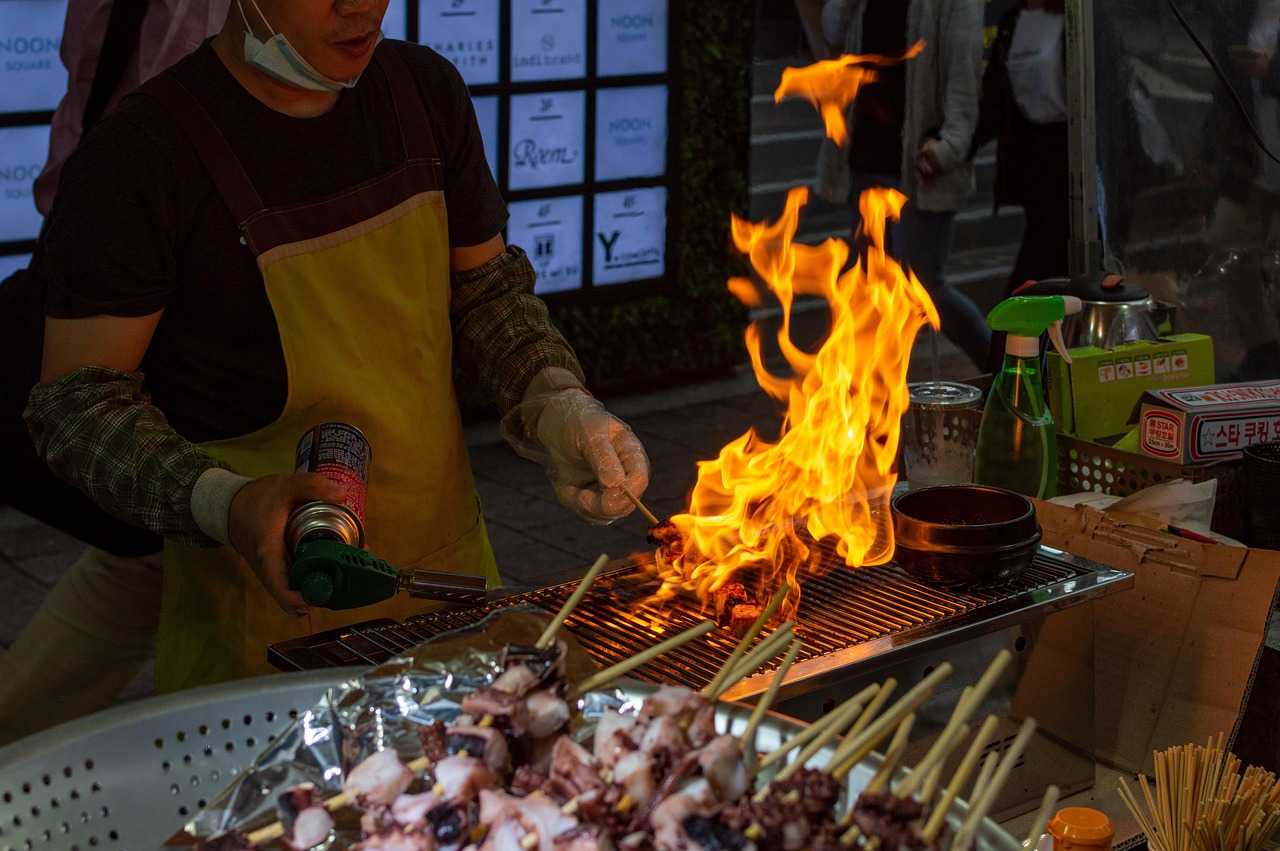
Korean street food (분식) is an integral part of Korean food culture, offering delicious, affordable, and convenient meals that reflect the nation's culinary traditions. From bustling market stalls to food trucks and night markets, Korean street food provides authentic tastes of Korea's diverse flavors and culinary creativity.
Iconic Korean Street Foods
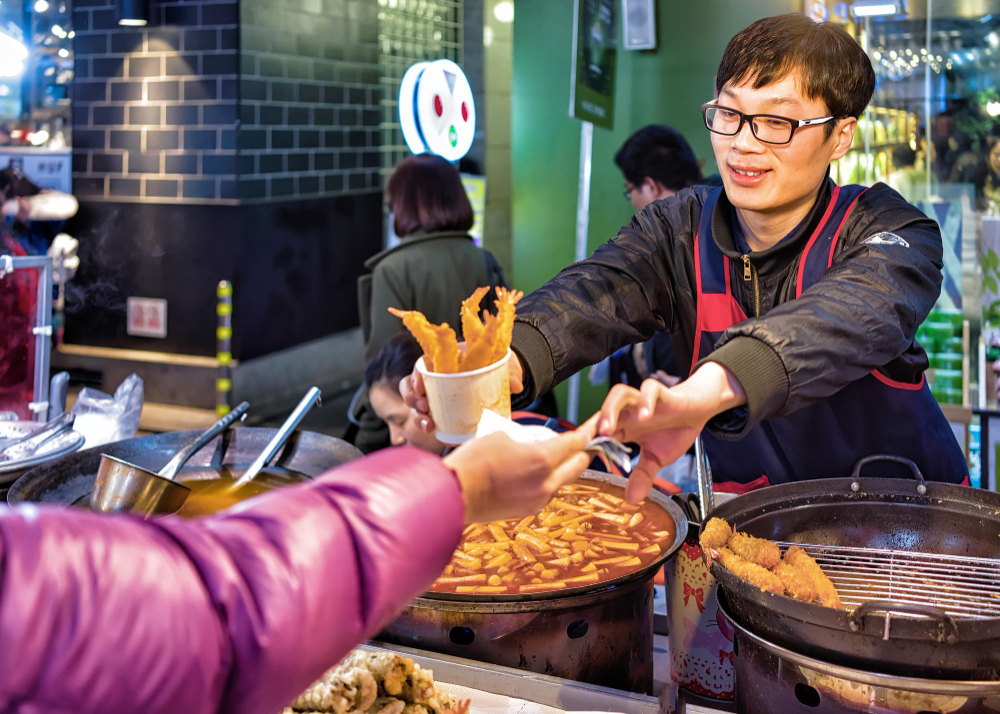
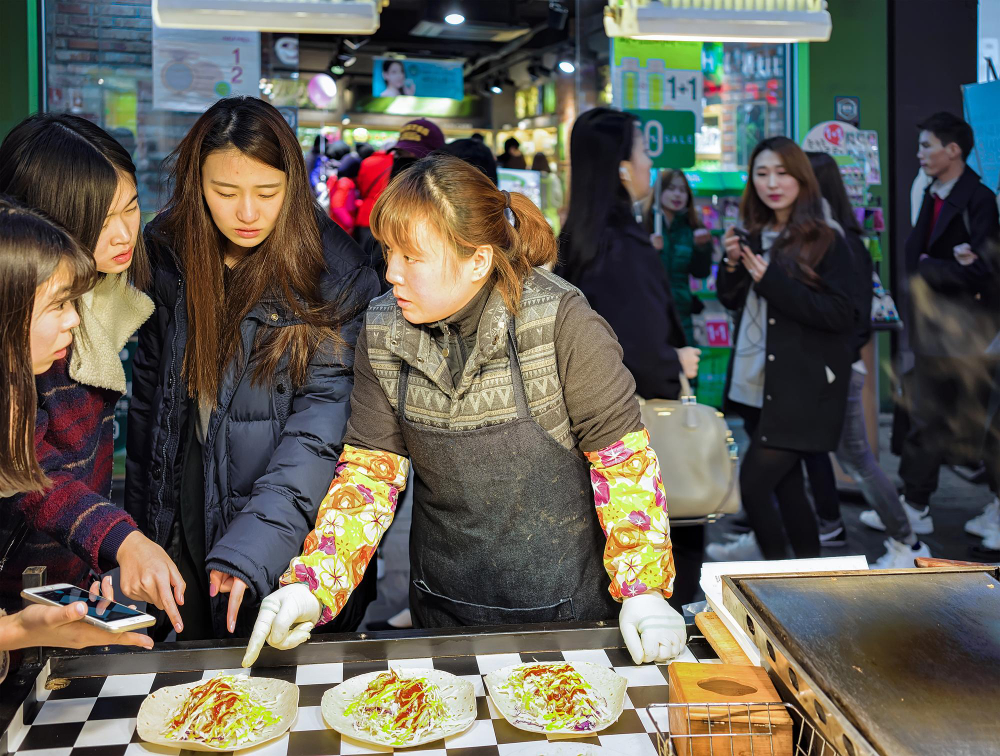
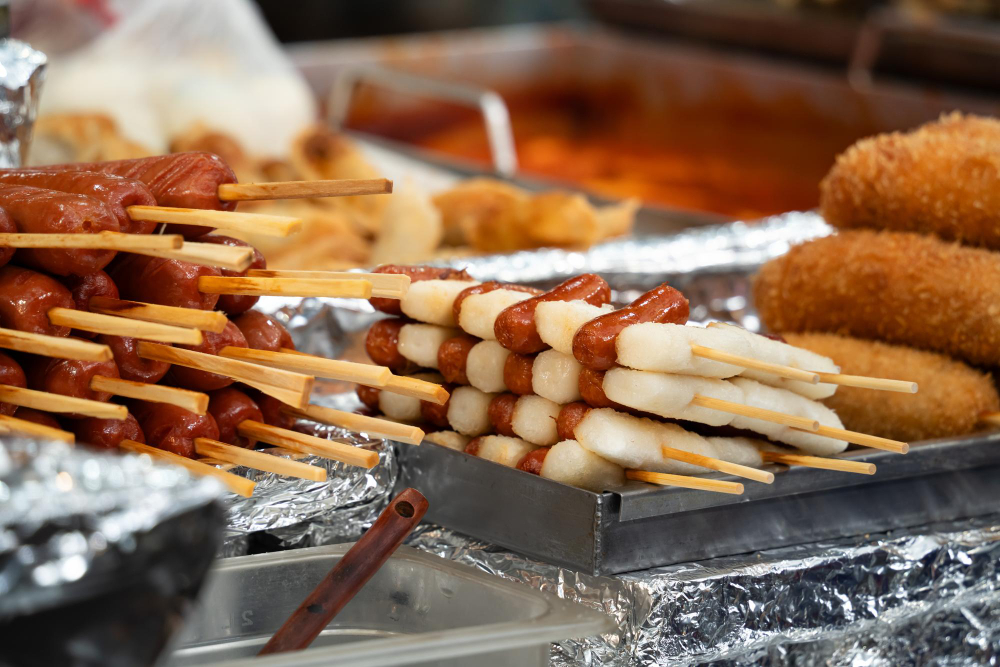
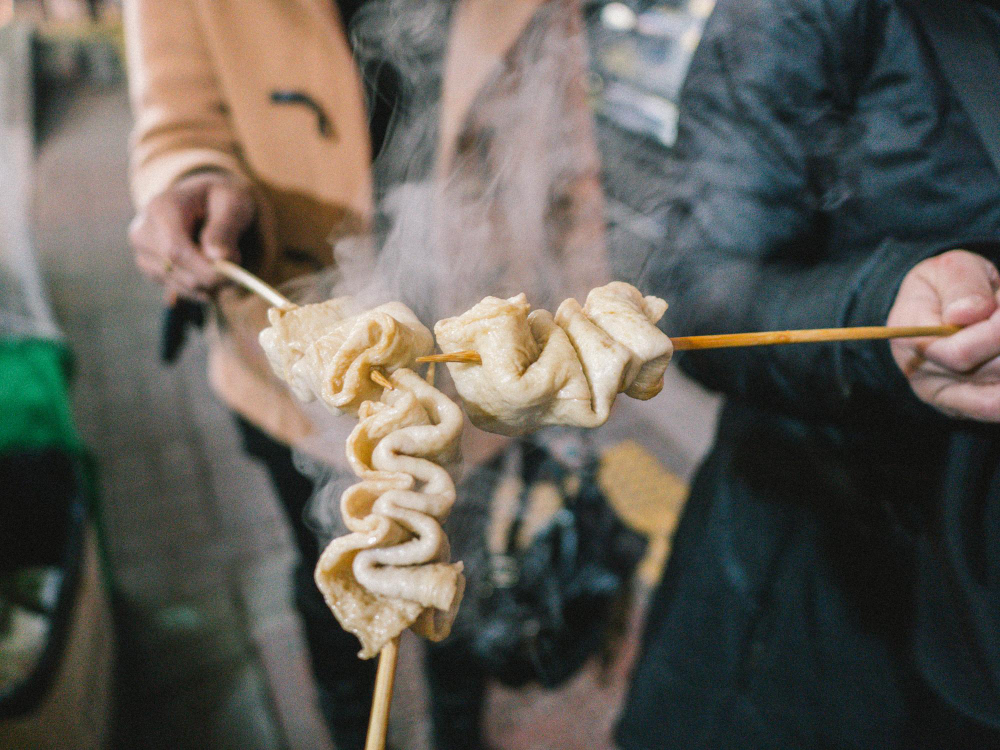
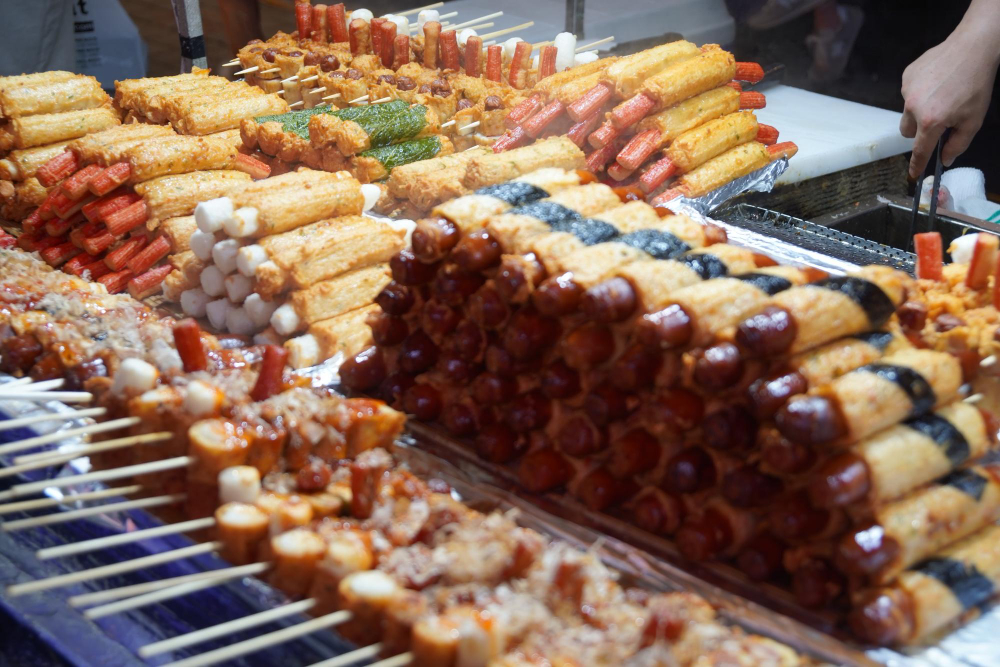
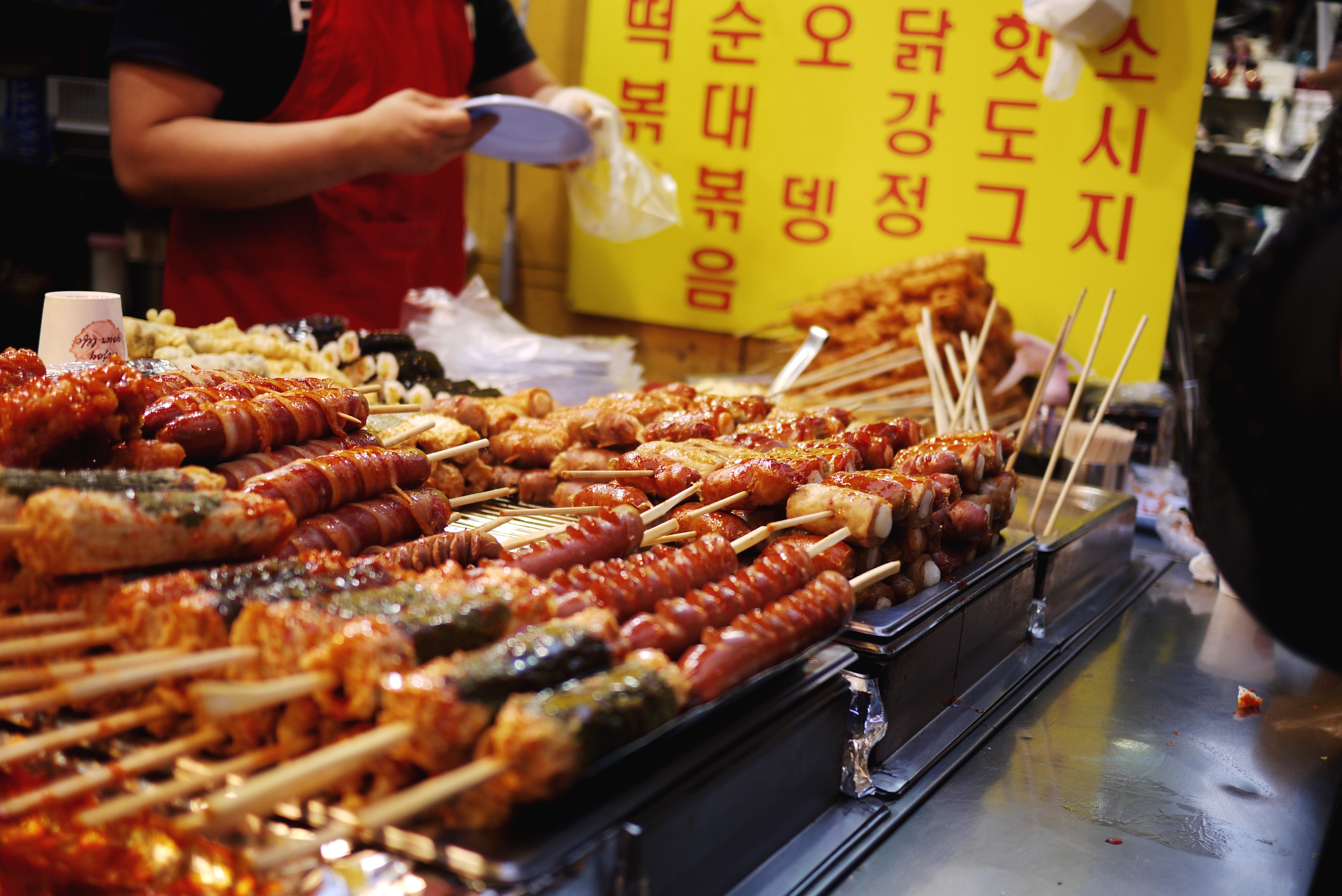
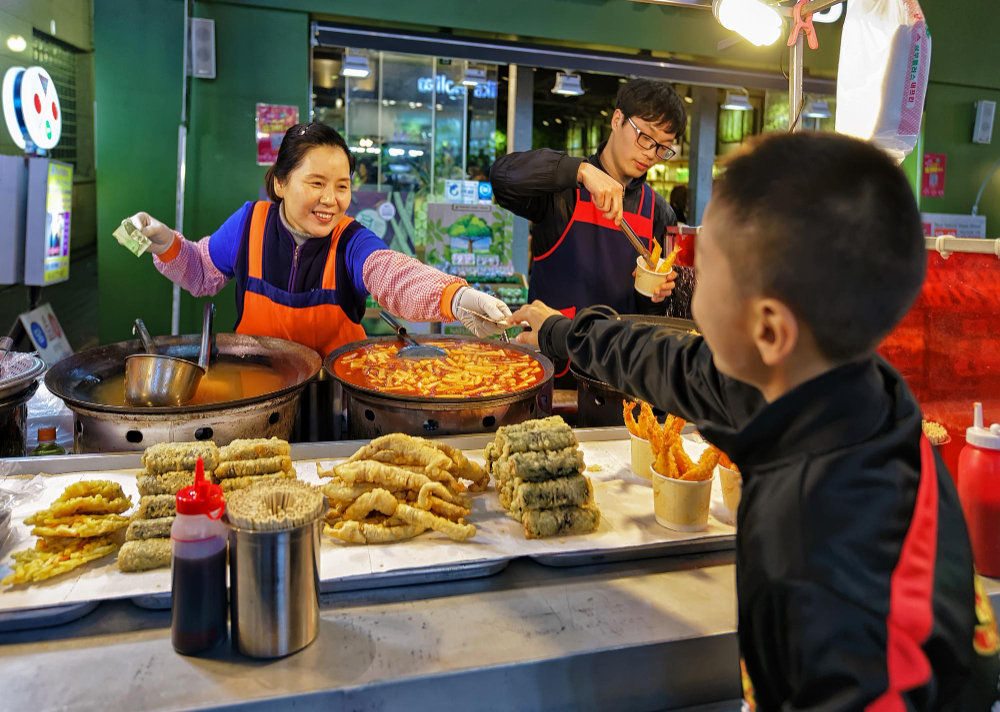
Korean street food features many beloved dishes that have become symbols of Korean cuisine. Tteokbokki (spicy rice cakes), hotteok (sweet pancakes), odeng (fish cake skewers), and gimbap (seaweed rice rolls) are among the most popular. These foods are not just snacks but represent Korean culinary traditions and are enjoyed by people of all ages.
Each street food has its own history and regional variations. From the spicy flavors of tteokbokki to the sweet comfort of hotteok, Korean street food offers a wide range of tastes and textures. The accessibility and affordability of street food make it an essential part of Korean daily life and culture.
Street Food Markets and Locations
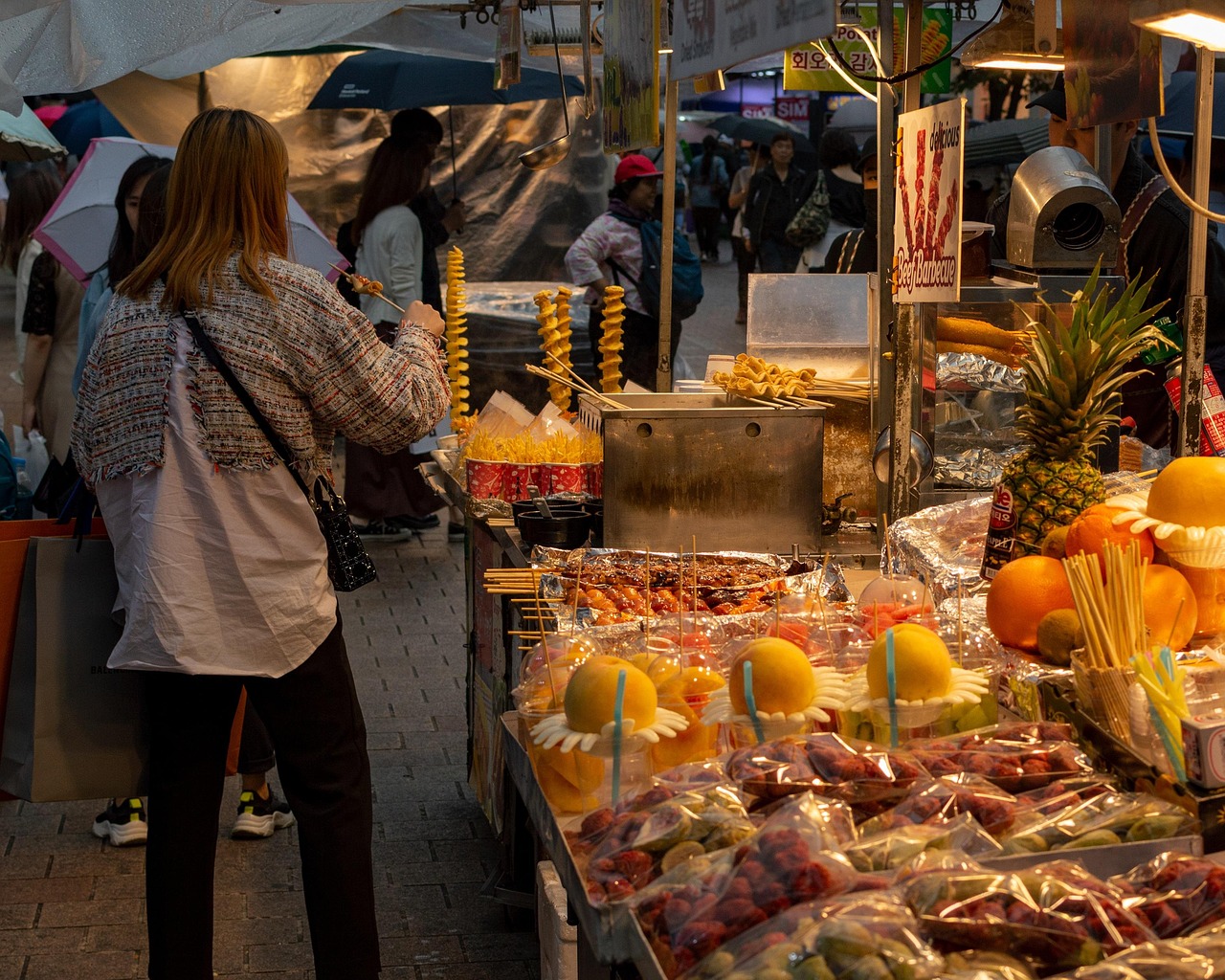
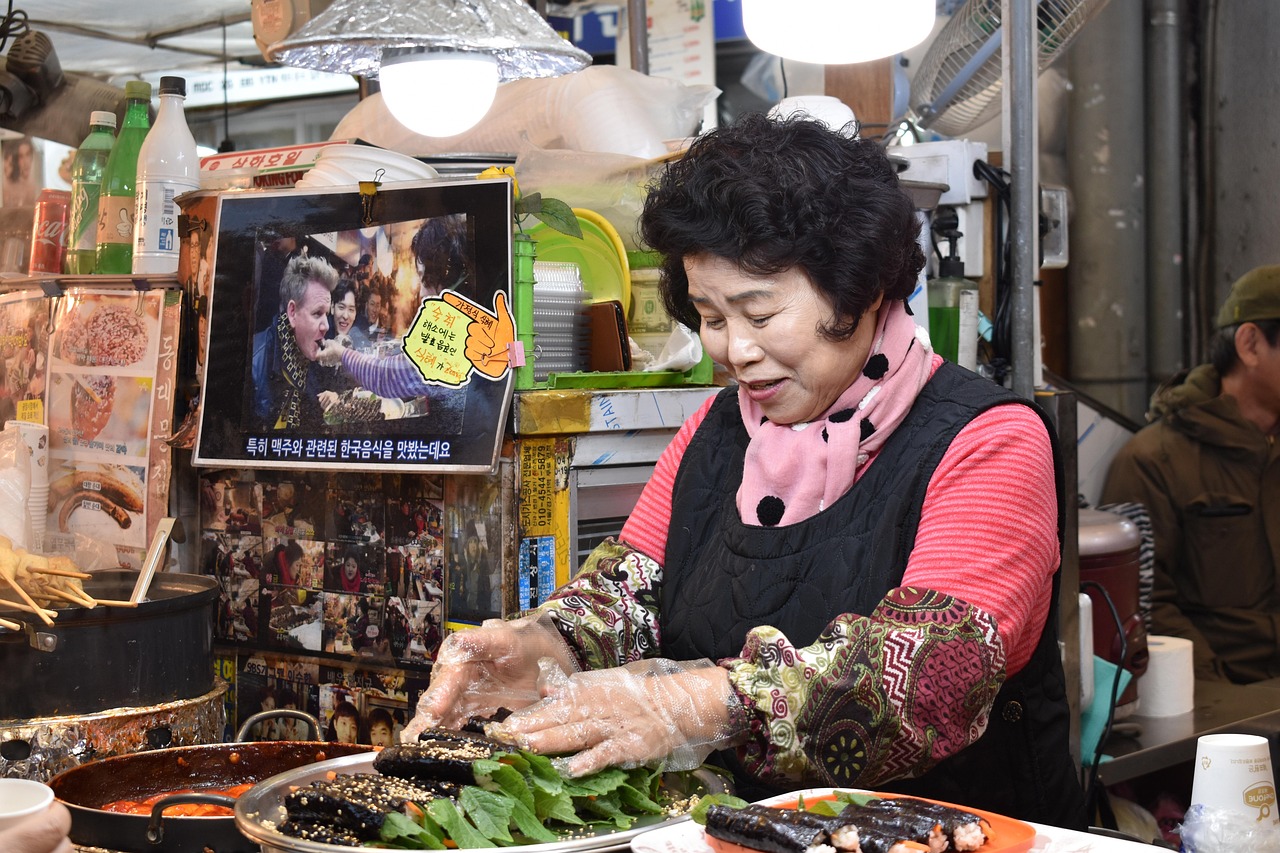
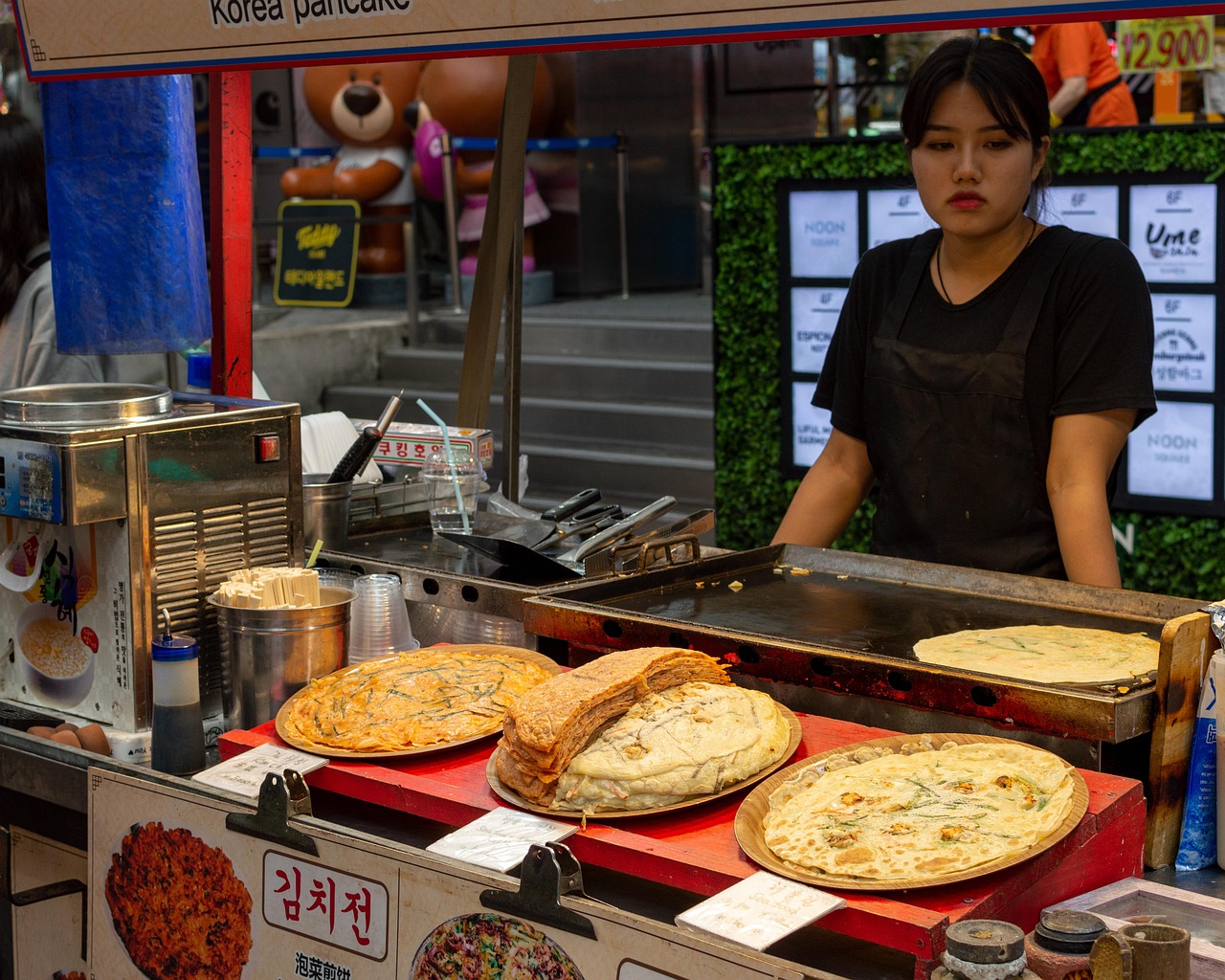
Korea's traditional markets are the heart of street food culture. Markets like Gwangjang Market in Seoul, Jagalchi Market in Busan, and various night markets throughout the country offer extensive street food selections. These markets provide not just food but social spaces where people gather, eat, and connect.
Modern street food culture has also expanded to include food trucks, themed food streets, and pop-up markets. Areas like Myeongdong in Seoul have become famous for their street food scenes, attracting both locals and tourists. The evolution of street food reflects Korea's dynamic food culture and innovation.
Regional Street Food Specialties
Different regions of Korea offer unique street food specialties. Busan is known for its seafood-based street foods, while Jeonju offers traditional market foods. Regional variations showcase local ingredients and culinary traditions, making street food tours a way to explore Korea's regional diversity.
Exploring regional street foods provides insights into local culture and traditions. Each region's street food reflects its geography, climate, and historical influences, creating a diverse and rich street food landscape throughout Korea.
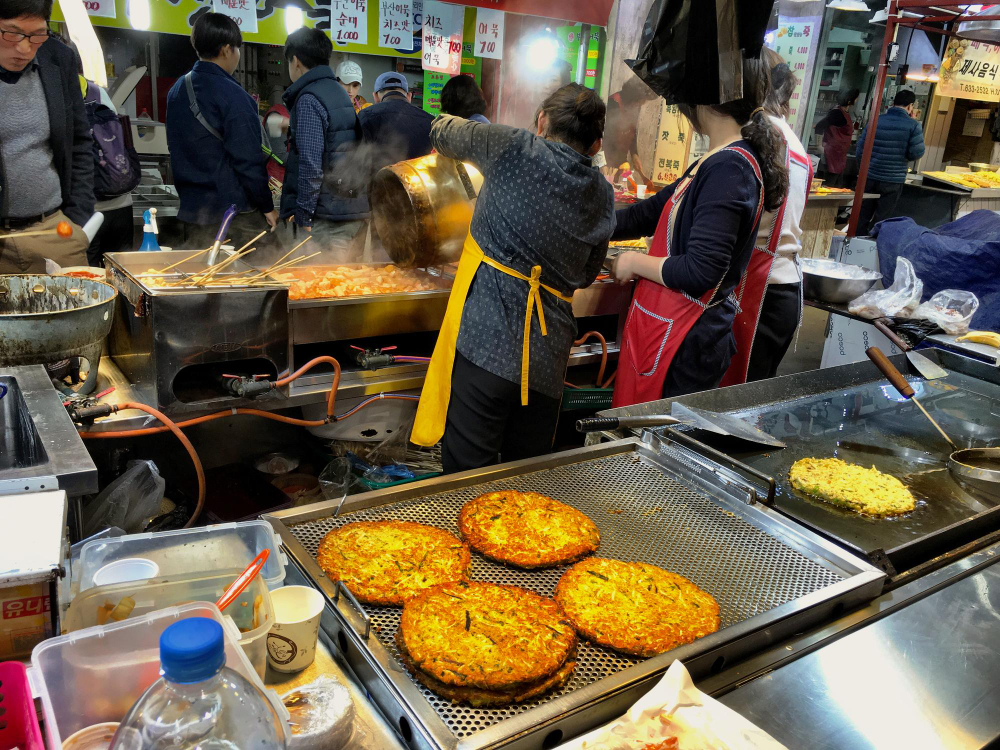
Street Food and Korean Culture
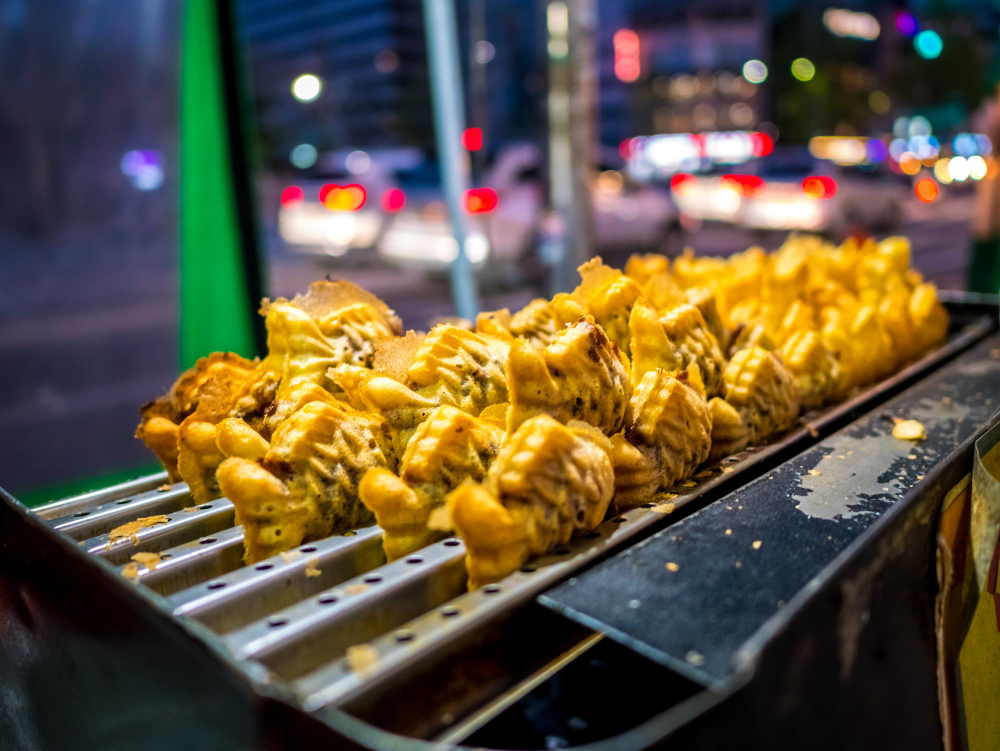
Street food is deeply embedded in Korean culture, representing more than just food—it's a social experience and cultural practice. Eating street food is a way to connect with Korean daily life, traditions, and community. The casual, accessible nature of street food makes it an important part of Korean social culture.
Street food tours and experiences offer visitors authentic ways to engage with Korean culture. From learning about food preparation to understanding the social aspects of street food culture, these experiences provide deep insights into Korean lifestyle and culinary traditions.