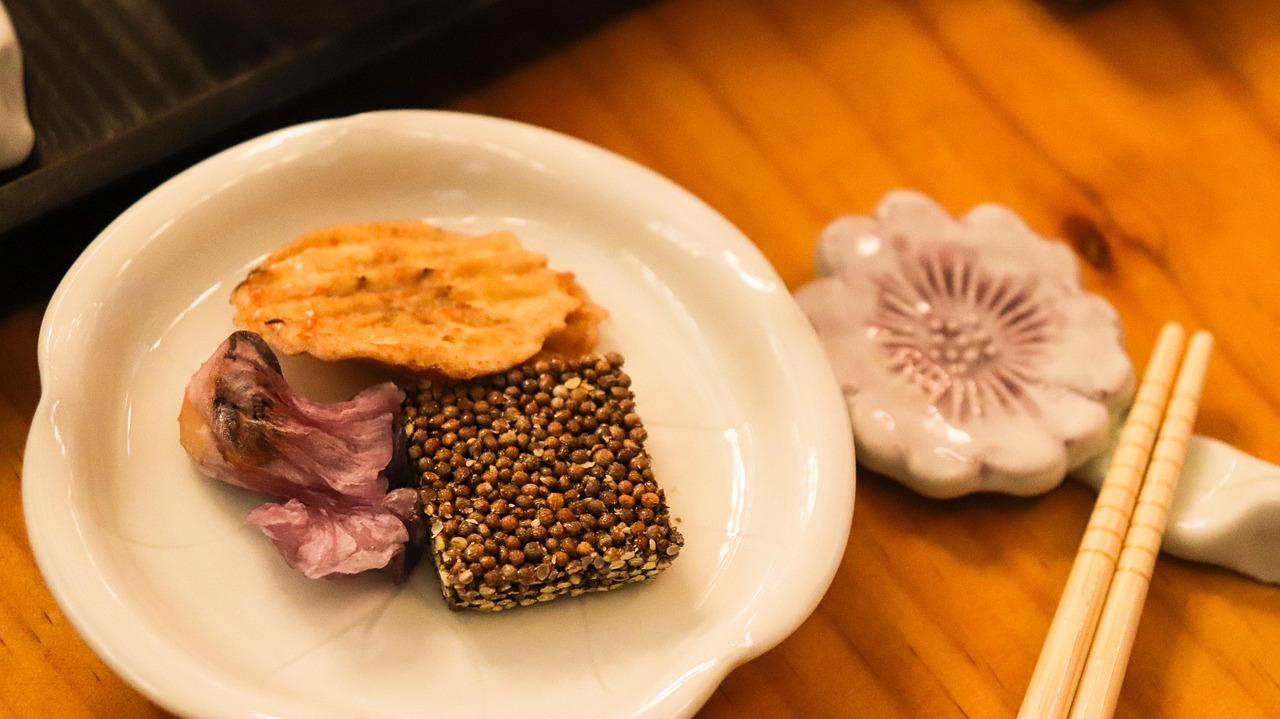
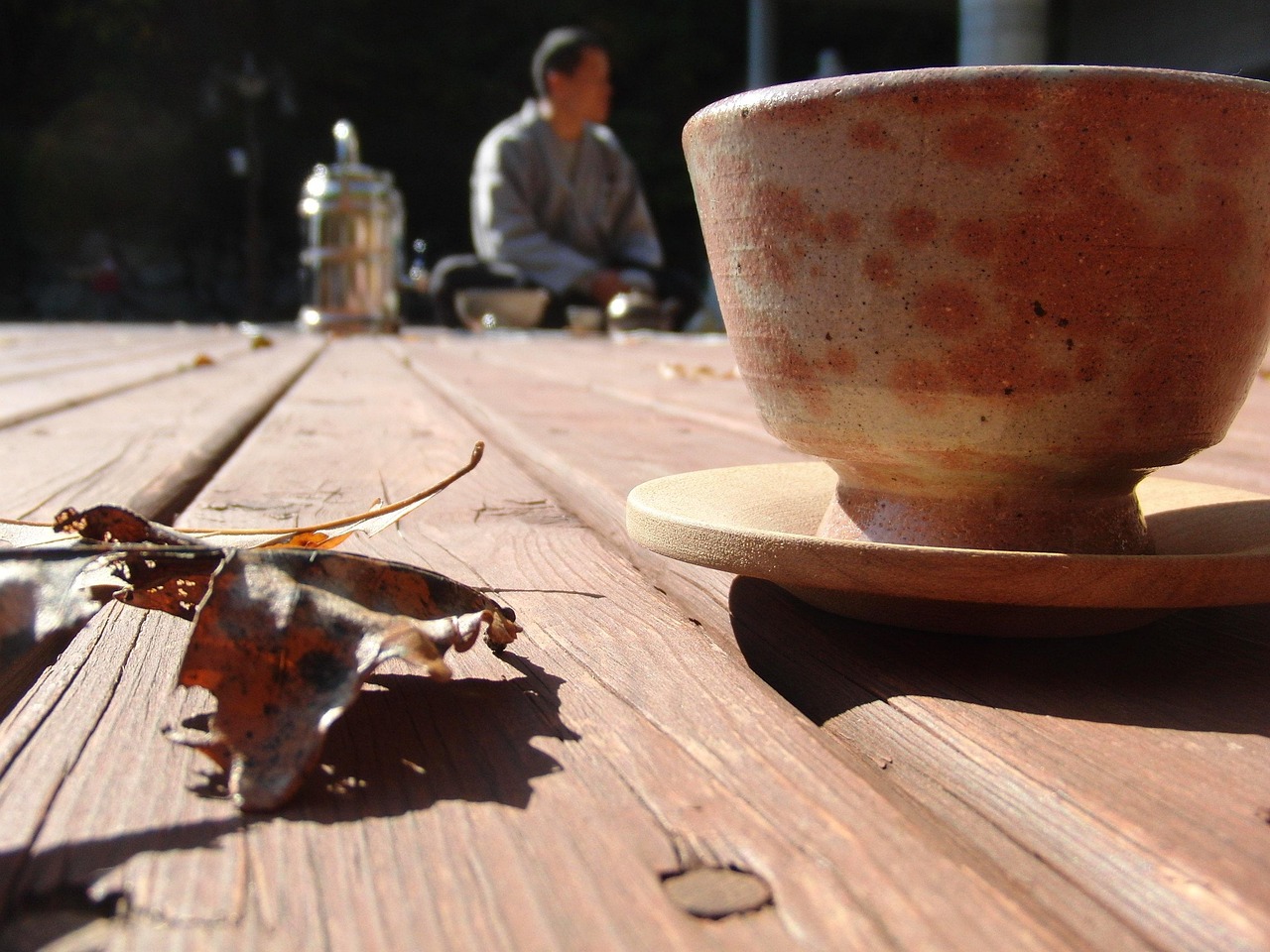
Korea has a rich tradition of beverages that spans thousands of years, from ceremonial tea culture to traditional alcoholic drinks. Korean traditional drinks reflect the nation's history, philosophy, and social customs, offering unique flavors and cultural experiences that connect the past with the present.
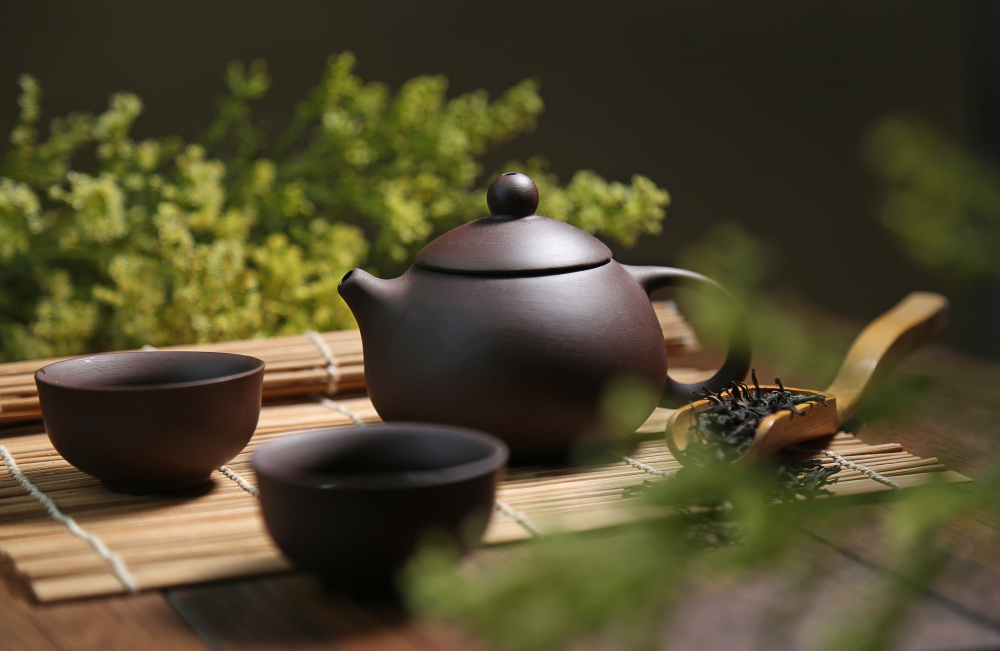
Korean Tea Culture: A Spiritual Tradition
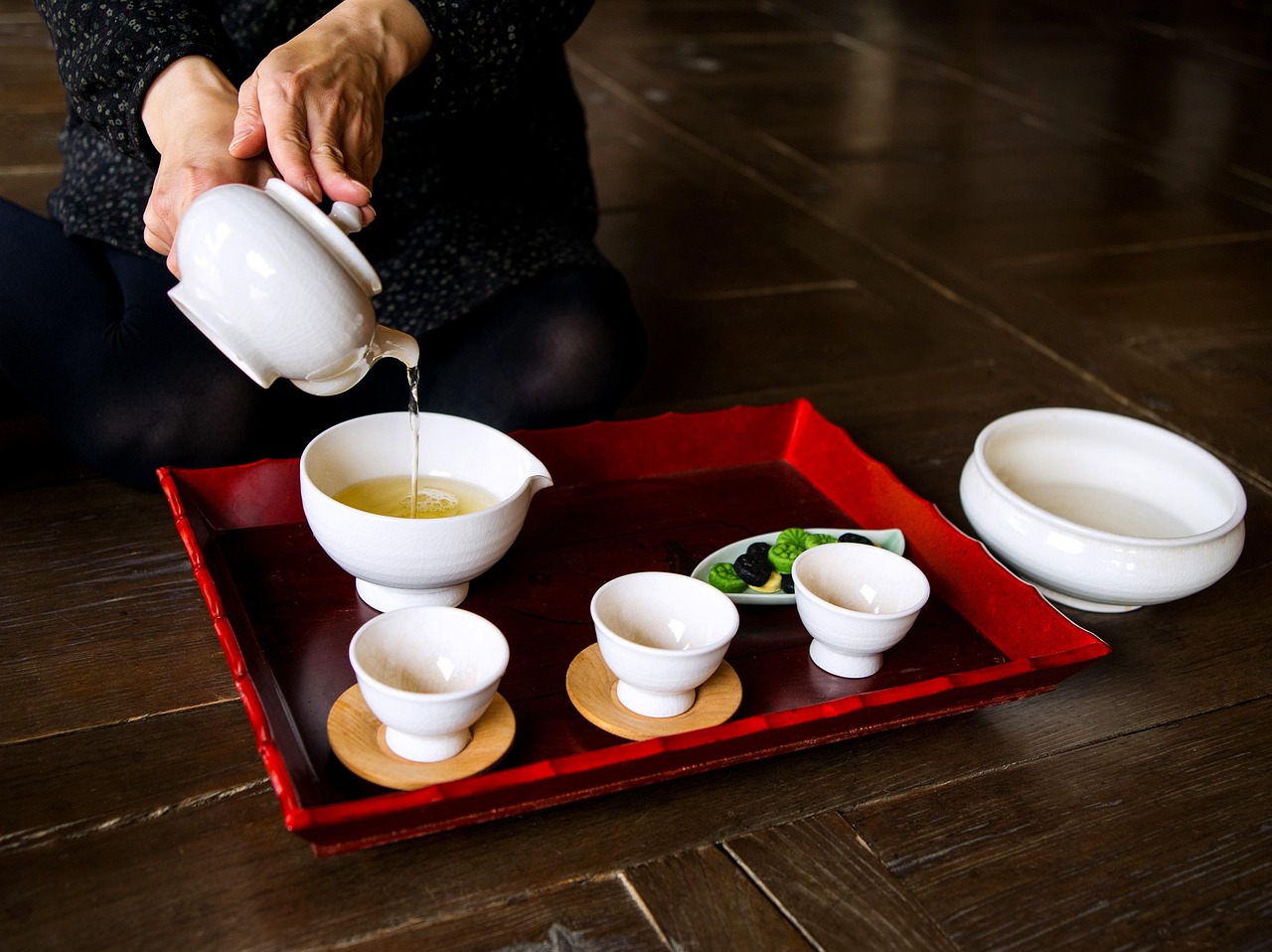
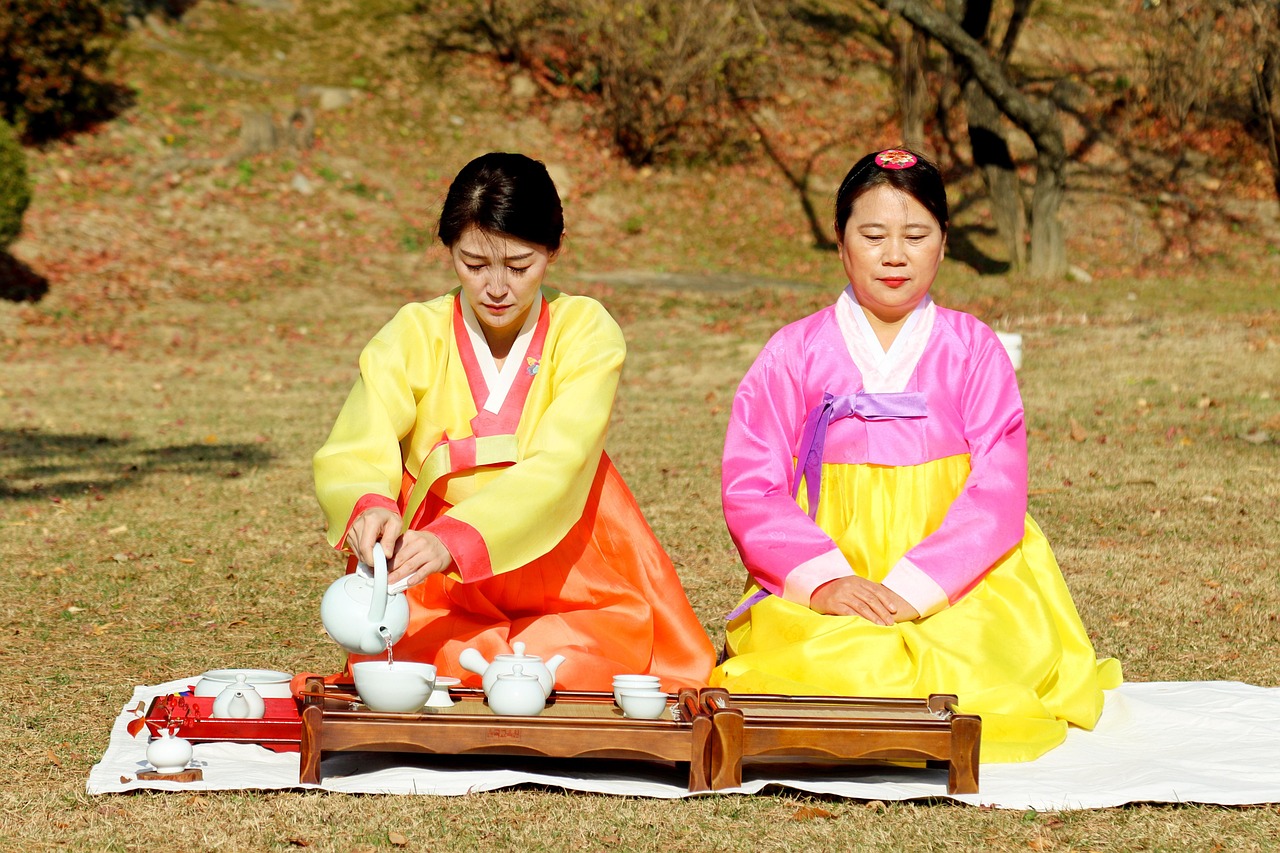
Korean tea culture (다도) has deep roots in Buddhist and Confucian traditions, emphasizing mindfulness, harmony, and respect. The tea ceremony is not just about drinking tea but a meditative practice that promotes inner peace and social connection. Korean tea culture values simplicity, naturalness, and the appreciation of the moment.
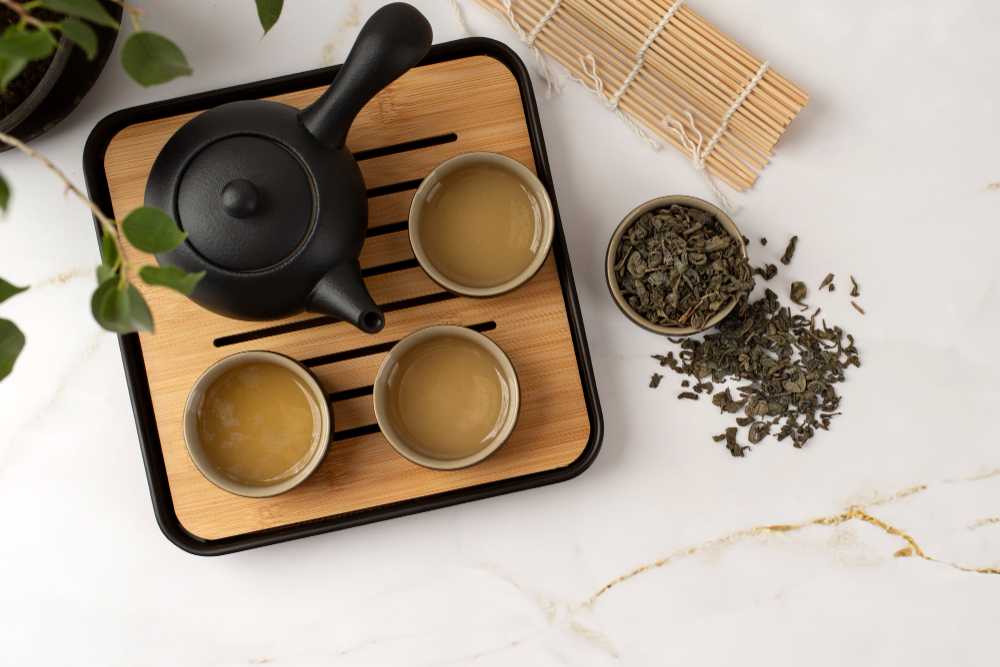
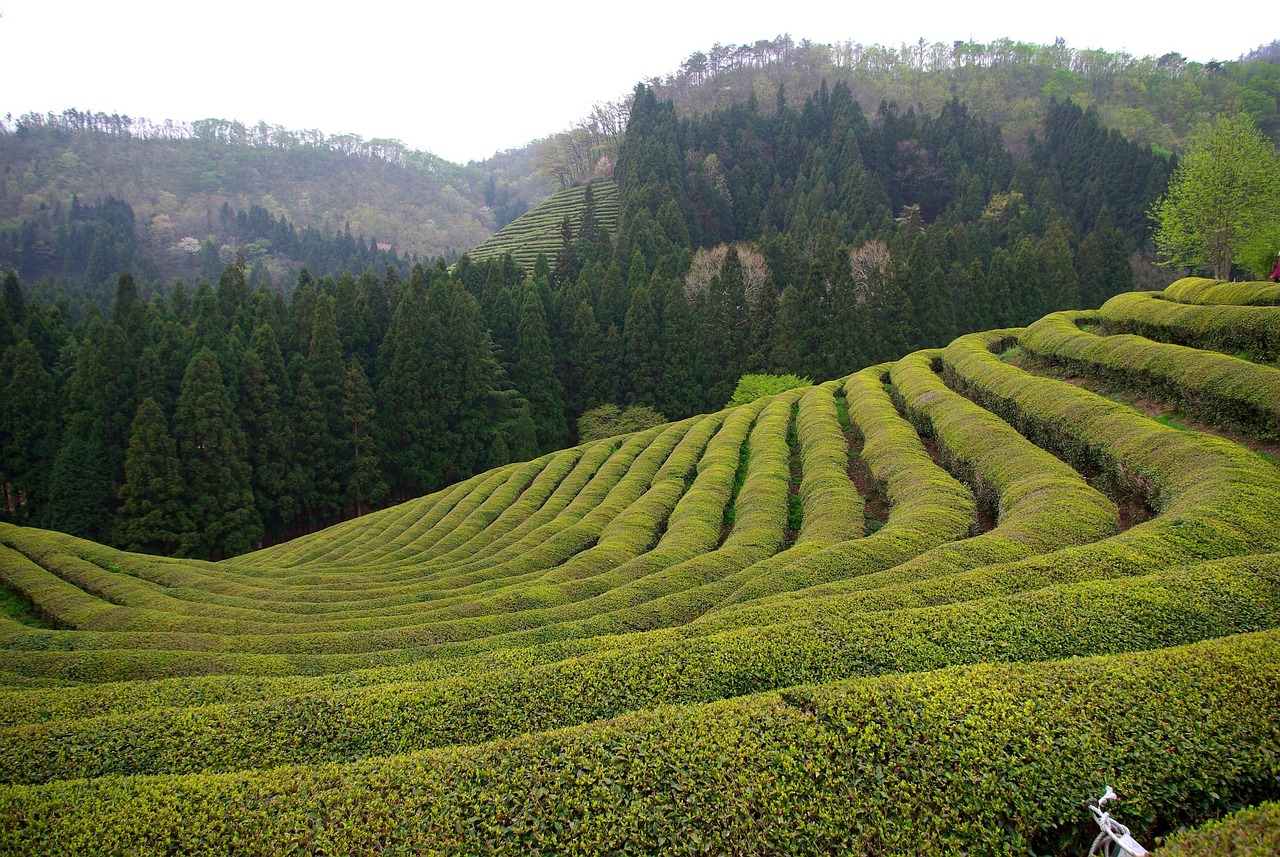
Korea produces various types of tea, with green tea being the most prominent. Regions like Boseong, Hadong, and Jeju are famous for their tea plantations. The tea-making process, from cultivation to preparation, is considered an art form, and tea masters dedicate years to perfecting their craft.
Traditional Korean Alcohol
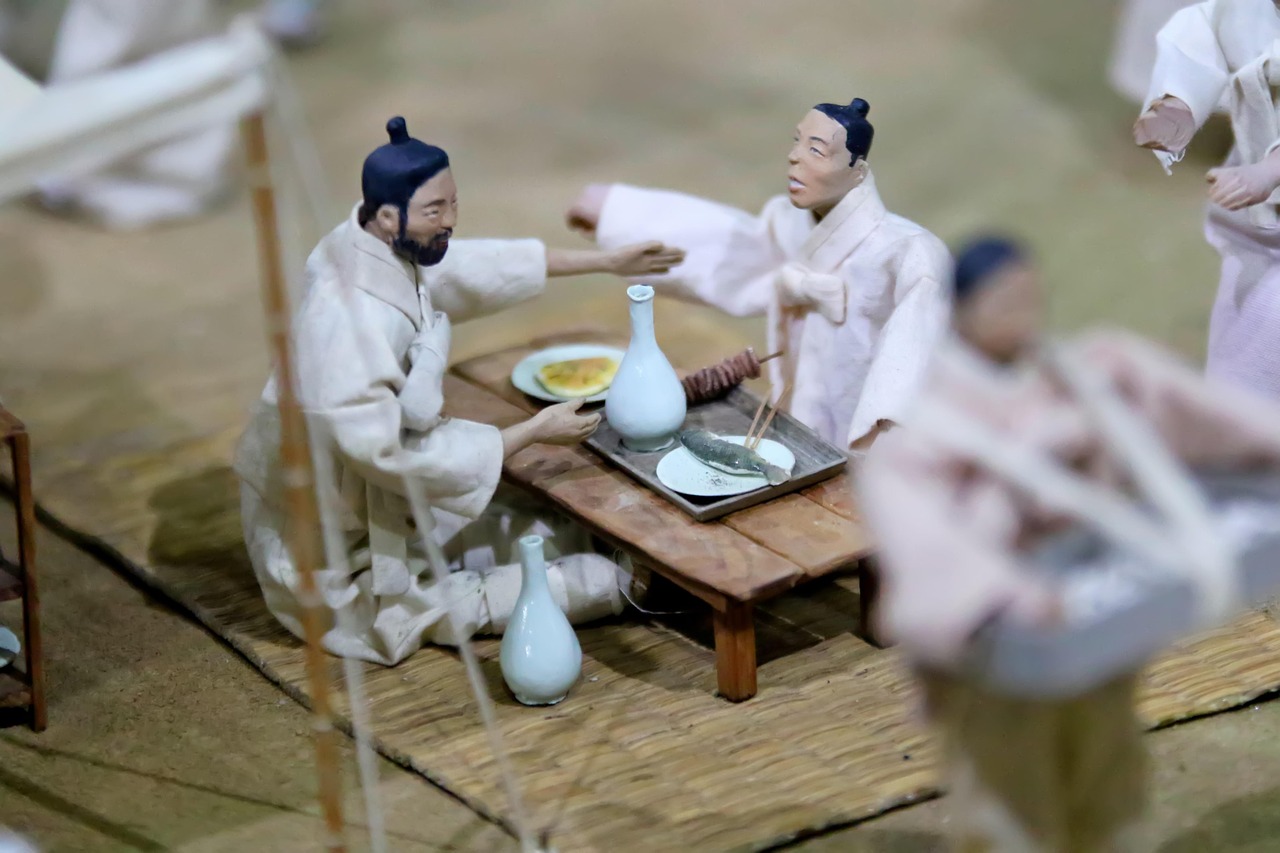
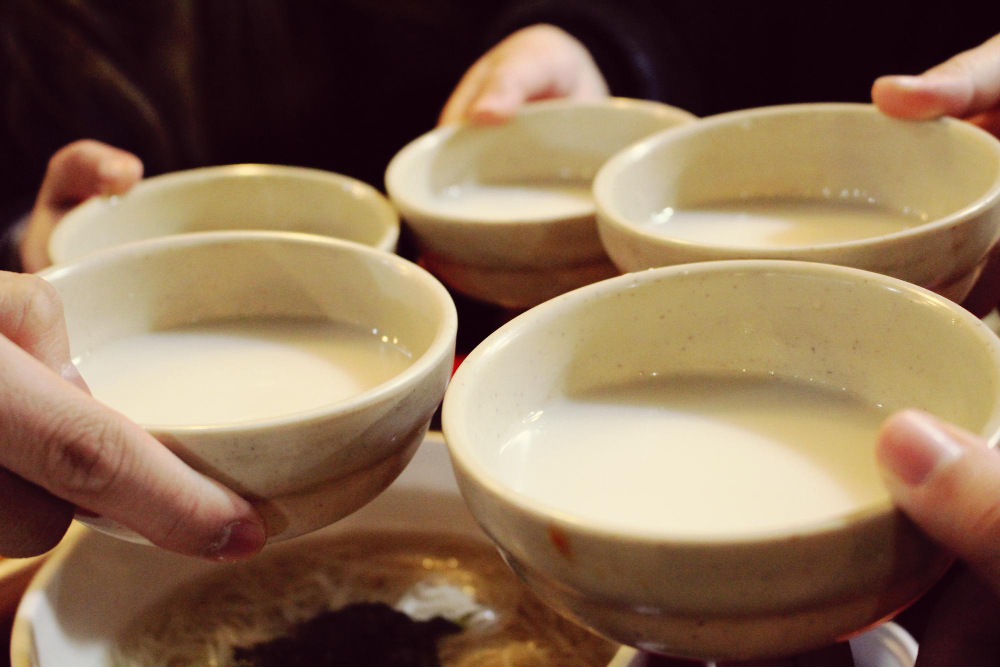
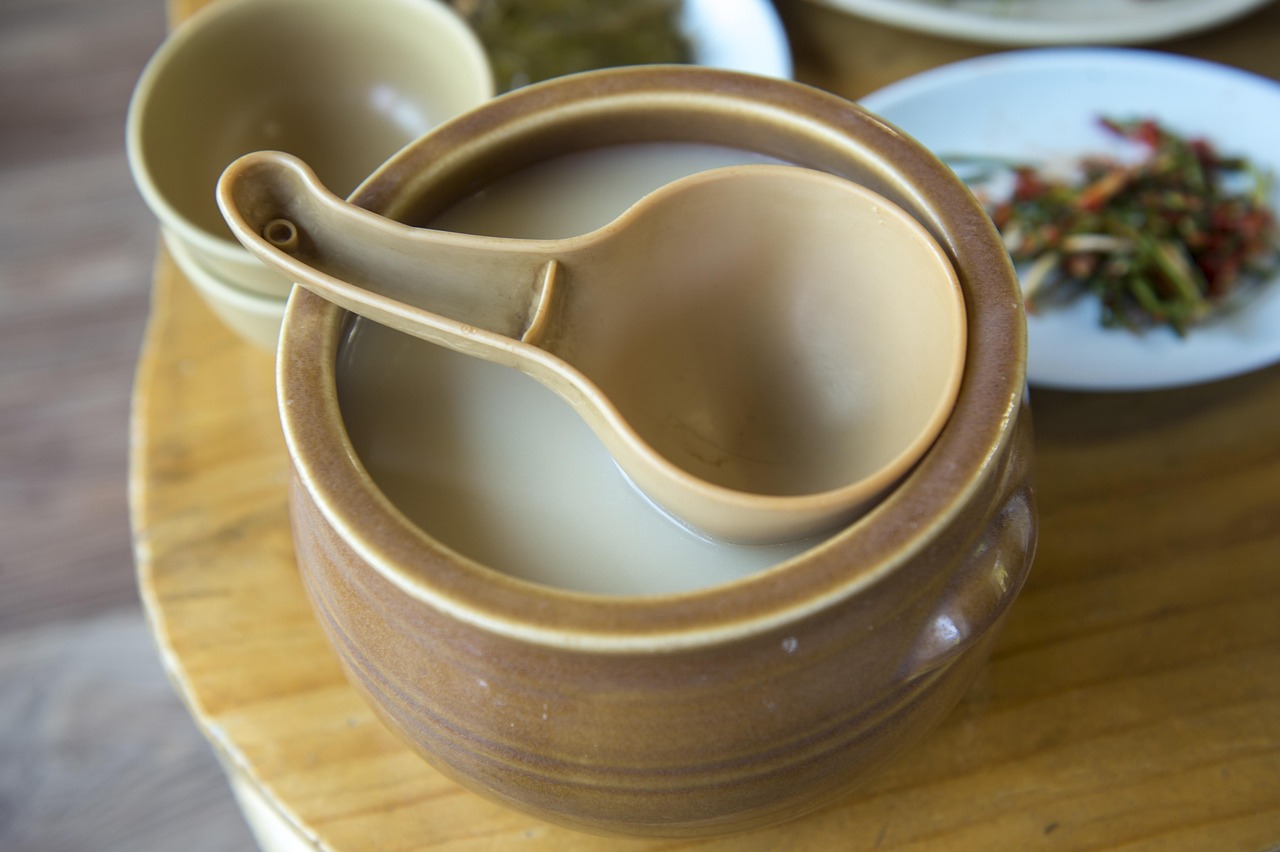
Korea has a long history of traditional alcoholic beverages, with makgeolli (rice wine) and soju being the most well-known. Makgeolli, a milky, slightly sweet rice wine, has been enjoyed for centuries and is experiencing a modern revival. Soju, a clear distilled spirit, is Korea's most popular alcoholic beverage and is deeply integrated into Korean social culture.
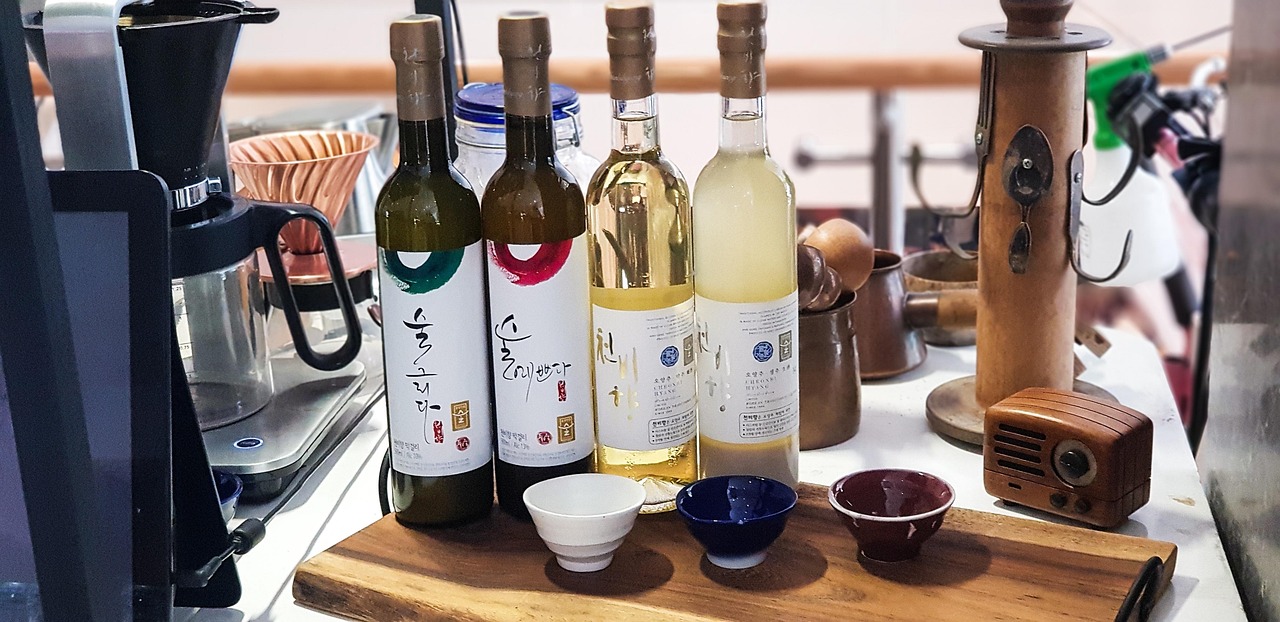
Traditional Korean alcohol is often made using time-honored methods and natural ingredients. Many breweries and distilleries preserve traditional recipes and techniques, creating beverages that reflect regional characteristics and historical traditions. Tasting traditional Korean alcohol provides insights into Korean social customs and culinary heritage.
Regional Tea and Drink Specialties
Different regions of Korea offer unique tea and drink specialties. Hadong is considered the birthplace of Korean tea, while Boseong is famous for its green tea plantations. Jeju Island produces distinctive teas with unique flavors. Each region's climate and geography contribute to the character of its teas and beverages.
Regional variations in traditional drinks reflect Korea's geographical diversity and local traditions. Exploring these regional specialties offers a journey through Korea's diverse landscapes and cultural heritage.
Modern Revival of Traditional Drinks
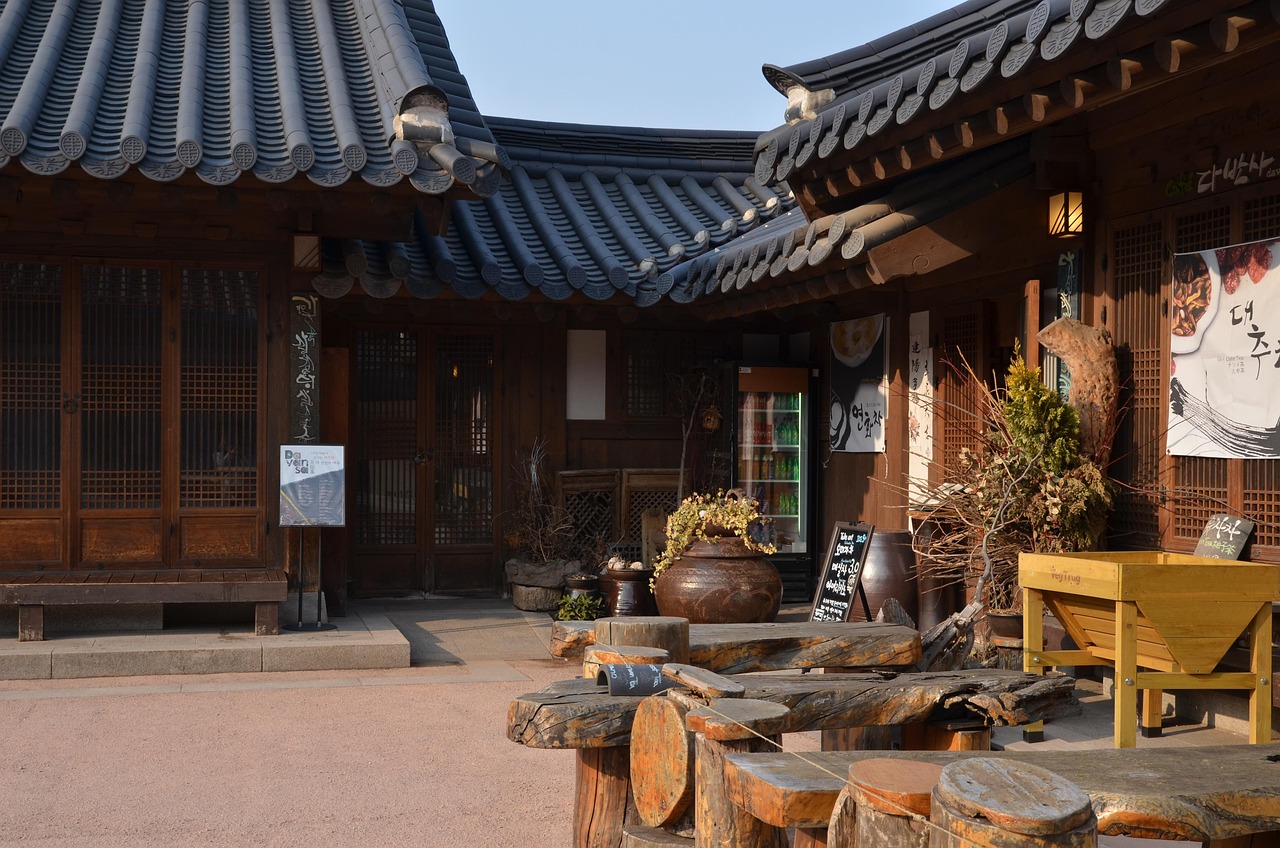
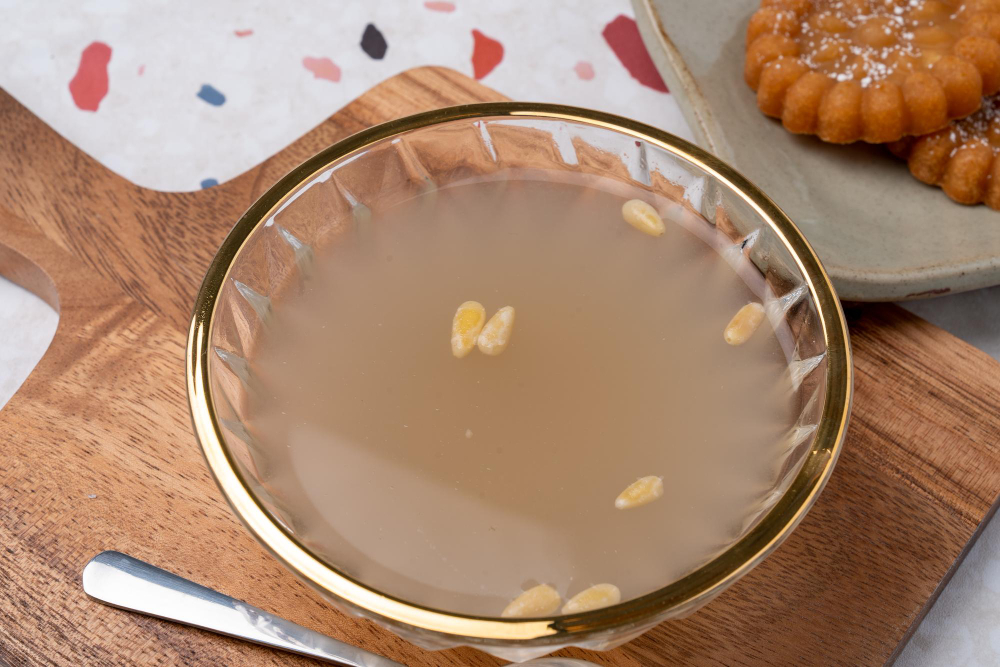
Traditional Korean drinks are experiencing a modern renaissance, with new generations rediscovering and reinventing traditional beverages. Modern tea houses blend traditional practices with contemporary aesthetics, while craft breweries create innovative versions of traditional alcohol. This revival reflects growing interest in Korean cultural heritage and traditional flavors.
The modern appreciation of traditional drinks combines respect for heritage with contemporary innovation. This creates opportunities for visitors to experience both traditional and modern interpretations of Korean beverage culture.
Experiencing Korean Drink Culture
Experiencing Korean traditional drinks offers more than just tasting beverages—it's an immersion into Korean culture, philosophy, and social customs. From participating in tea ceremonies to visiting tea plantations and traditional breweries, these experiences provide deep insights into Korean traditions and contemporary life.
Whether through formal tea ceremonies, casual tea house visits, or traditional alcohol tastings, engaging with Korean drink culture provides meaningful connections to Korean heritage and offers memorable cultural experiences.